

5.3 Effect on Salmon
A warming climate will alter both freshwater and marine communities, affecting
resources for both fishers and endangered fish species. For Pacific salmon, climate
has diverse affects. Changes in stream temperature and flow alter fish survival,
swimming performance, and metabolic rates, which in turn determine energetic
costs and growth [34–36].
Climate also affects salmon’s habitat abundance, diversity, and access. The
physical environment affects all species, most notably for salmon, both prey and
predators. In response to higher temperatures, predators will likely consume more
prey. Furthermore, warmwater invasive predators such as bass will grow more
prevalent.
A review of the scientific literature of climate impacts on salmon reveals the many
pathways these influences can take [34–36].
In the Ecosystems Analysis Program of Northwest Fisheries Science Center
(NWFSC), the scientists’ goal is to quantify climate influences on salmon in
freshwater and marine environments over all life stages. The NWFSC supports the
conservation and management of living marine resources and their habitats in the
Northeast Pacific Ocean. Their research assists resource managers in making sound
decisions that build sustainable fisheries, recover endangered and threatened species,
sustain healthy ecosystems, and reduce risks to human health [34].
Frequently NWFSC research requires developing novel statistical tools. Their
scientists then incorporate these relationships into models that can be used to assess
extinction risk. Their comprehensive, multilateral approach has the following specific objectives: (a) Identify relationships between the environment and population
responses such as migration timing and rates of survival. Using these relationships,
develop life cycle models that can help predict the response of endangered salmon
populations to climate change [35]; (b) monitor the state of the science in annual
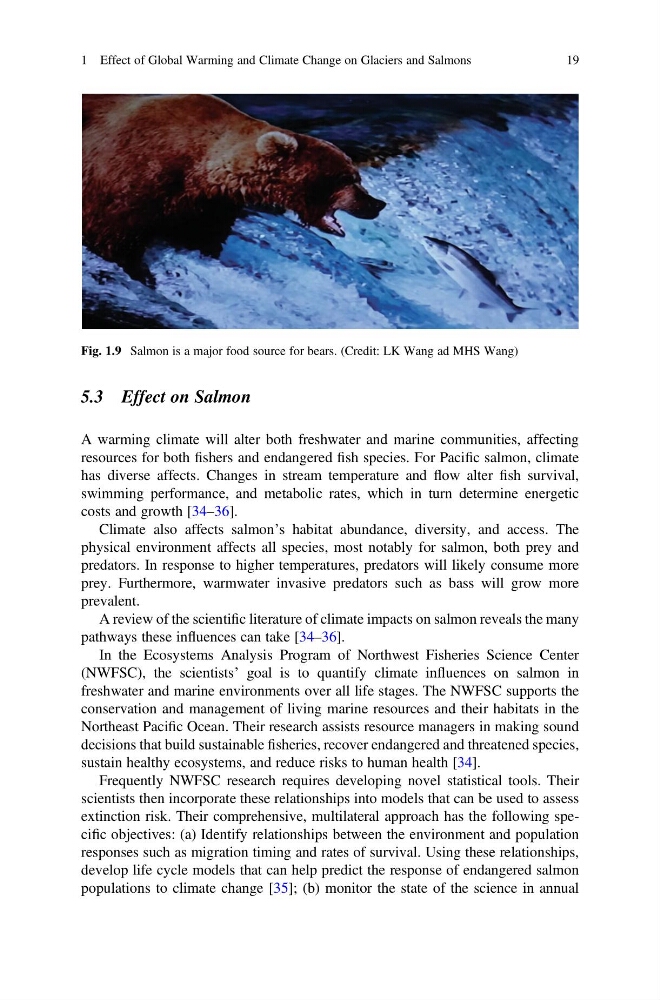
Fig. 1.9 Salmon is a major food source for bears. (Credit: LK Wang ad MHS Wang)
1 Effect of Global Warming and Climate Change on Glaciers and Salmons
19
A warming climate will alter both freshwater and marine communities, affecting
resources for both fishers and endangered fish species. For Pacific salmon, climate
has diverse affects. Changes in stream temperature and flow alter fish survival,
swimming performance, and metabolic rates, which in turn determine energetic
costs and growth [34–36].
Climate also affects salmon’s habitat abundance, diversity, and access. The
physical environment affects all species, most notably for salmon, both prey and
predators. In response to higher temperatures, predators will likely consume more
prey. Furthermore, warmwater invasive predators such as bass will grow more
prevalent.
A review of the scientific literature of climate impacts on salmon reveals the many
pathways these influences can take [34–36].
In the Ecosystems Analysis Program of Northwest Fisheries Science Center
(NWFSC), the scientists’ goal is to quantify climate influences on salmon in
freshwater and marine environments over all life stages. The NWFSC supports the
conservation and management of living marine resources and their habitats in the
Northeast Pacific Ocean. Their research assists resource managers in making sound
decisions that build sustainable fisheries, recover endangered and threatened species,
sustain healthy ecosystems, and reduce risks to human health [34].
Frequently NWFSC research requires developing novel statistical tools. Their
scientists then incorporate these relationships into models that can be used to assess
extinction risk. Their comprehensive, multilateral approach has the following specific objectives: (a) Identify relationships between the environment and population
responses such as migration timing and rates of survival. Using these relationships,
develop life cycle models that can help predict the response of endangered salmon
populations to climate change [35]; (b) monitor the state of the science in annual
Fig. 1.9 Salmon is a major food source for bears. (Credit: LK Wang ad MHS Wang)
1 Effect of Global Warming and Climate Change on Glaciers and Salmons
19