

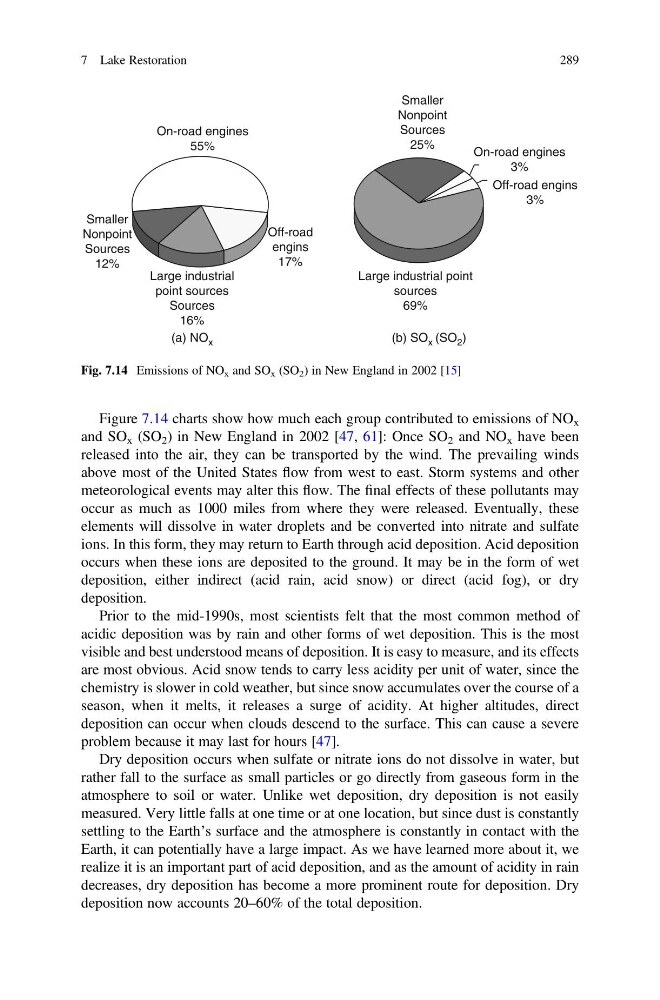
Figure 7.14 charts show how much each group contributed to emissions of NO x
and SO x (SO 2 ) in New England in 2002 [47, 61]: Once SO 2 and NO x have been
released into the air, they can be transported by the wind. The prevailing winds
above most of the United States flow from west to east. Storm systems and other
meteorological events may alter this flow. The final effects of these pollutants may
occur as much as 1000 miles from where they were released. Eventually, these
elements will dissolve in water droplets and be converted into nitrate and sulfate
ions. In this form, they may return to Earth through acid deposition. Acid deposition
occurs when these ions are deposited to the ground. It may be in the form of wet
deposition, either indirect (acid rain, acid snow) or direct (acid fog), or dry
deposition.
Prior to the mid-1990s, most scientists felt that the most common method of
acidic deposition was by rain and other forms of wet deposition. This is the most
visible and best understood means of deposition. It is easy to measure, and its effects
are most obvious. Acid snow tends to carry less acidity per unit of water, since the
chemistry is slower in cold weather, but since snow accumulates over the course of a
season, when it melts, it releases a surge of acidity. At higher altitudes, direct
deposition can occur when clouds descend to the surface. This can cause a severe
problem because it may last for hours [47].
Dry deposition occurs when sulfate or nitrate ions do not dissolve in water, but
rather fall to the surface as small particles or go directly from gaseous form in the
atmosphere to soil or water. Unlike wet deposition, dry deposition is not easily
measured. Very little falls at one time or at one location, but since dust is constantly
settling to the Earth’s surface and the atmosphere is constantly in contact with the
Earth, it can potentially have a large impact. As we have learned more about it, we
realize it is an important part of acid deposition, and as the amount of acidity in rain
decreases, dry deposition has become a more prominent route for deposition. Dry
deposition now accounts 20–60% of the total deposition.
On-road engines
55%
Smaller
Nonpoint
Sources
25%
On-road engines
3%
Off-road engins
3%
Large industrial point
sources
69%
Large industrial
point sources
Sources
16%
Smaller
Nonpoint
Sources
12%
Off-road
engins
17%
(a) NO x
(b) SO x (SO 2 )
Fig. 7.14 Emissions of NO x and SO x (SO 2 ) in New England in 2002 [15]
7 Lake Restoration
289
and SO x (SO 2 ) in New England in 2002 [47, 61]: Once SO 2 and NO x have been
released into the air, they can be transported by the wind. The prevailing winds
above most of the United States flow from west to east. Storm systems and other
meteorological events may alter this flow. The final effects of these pollutants may
occur as much as 1000 miles from where they were released. Eventually, these
elements will dissolve in water droplets and be converted into nitrate and sulfate
ions. In this form, they may return to Earth through acid deposition. Acid deposition
occurs when these ions are deposited to the ground. It may be in the form of wet
deposition, either indirect (acid rain, acid snow) or direct (acid fog), or dry
deposition.
Prior to the mid-1990s, most scientists felt that the most common method of
acidic deposition was by rain and other forms of wet deposition. This is the most
visible and best understood means of deposition. It is easy to measure, and its effects
are most obvious. Acid snow tends to carry less acidity per unit of water, since the
chemistry is slower in cold weather, but since snow accumulates over the course of a
season, when it melts, it releases a surge of acidity. At higher altitudes, direct
deposition can occur when clouds descend to the surface. This can cause a severe
problem because it may last for hours [47].
Dry deposition occurs when sulfate or nitrate ions do not dissolve in water, but
rather fall to the surface as small particles or go directly from gaseous form in the
atmosphere to soil or water. Unlike wet deposition, dry deposition is not easily
measured. Very little falls at one time or at one location, but since dust is constantly
settling to the Earth’s surface and the atmosphere is constantly in contact with the
Earth, it can potentially have a large impact. As we have learned more about it, we
realize it is an important part of acid deposition, and as the amount of acidity in rain
decreases, dry deposition has become a more prominent route for deposition. Dry
deposition now accounts 20–60% of the total deposition.
On-road engines
55%
Smaller
Nonpoint
Sources
25%
On-road engines
3%
Off-road engins
3%
Large industrial point
sources
69%
Large industrial
point sources
Sources
16%
Smaller
Nonpoint
Sources
12%
Off-road
engins
17%
(a) NO x
(b) SO x (SO 2 )
Fig. 7.14 Emissions of NO x and SO x (SO 2 ) in New England in 2002 [15]
7 Lake Restoration
289