

Since phosphorus is most frequently the limiting nutrient in a lake, more efforts
have been directed toward finding means of reducing phosphorus inputs to a lake.
Means that have been applied include diversion of all stormwater runoff from the
lake, installation of stormwater infiltration basins, removal of phosphorus from
treatment plant effluents, the use of land application of wastewaters, and passing
treatment plant effluents through wetlands before they enter the lake.
Another reason phosphorus has been chosen as the nutrient to be removed is the
ease of precipitating phosphorus with iron, aluminum, or calcium salts, with the
subsequent removal of the solids. Phelps [5] showed that limiting the phosphorus
concentration in a lake at the time of spring turnover to less than 10 μg/L would limit
excess productivity in most lakes.
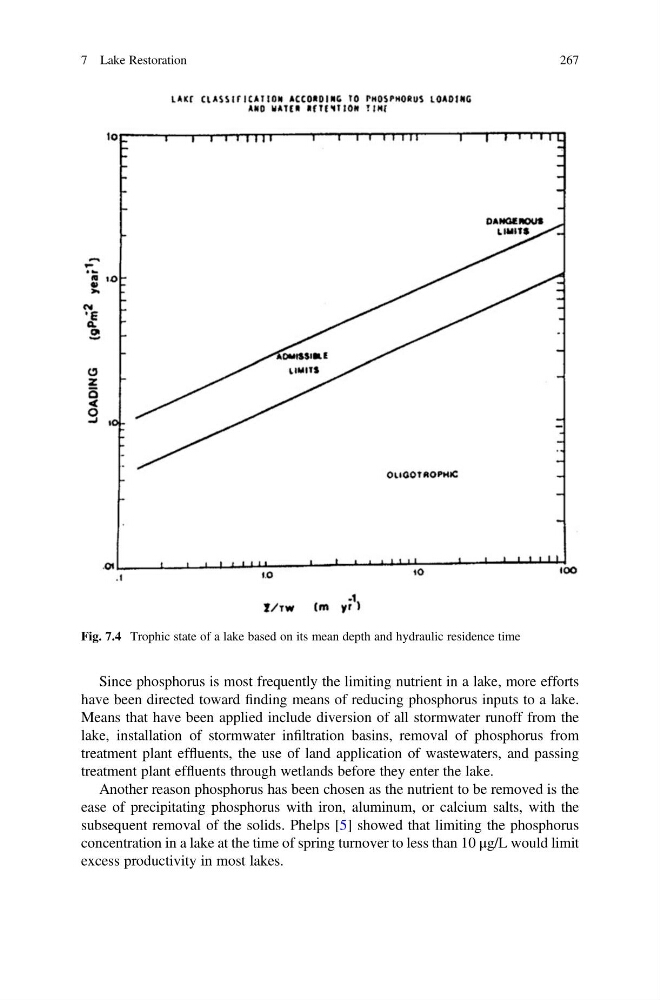
Fig. 7.4 Trophic state of a lake based on its mean depth and hydraulic residence time
7 Lake Restoration
267
have been directed toward finding means of reducing phosphorus inputs to a lake.
Means that have been applied include diversion of all stormwater runoff from the
lake, installation of stormwater infiltration basins, removal of phosphorus from
treatment plant effluents, the use of land application of wastewaters, and passing
treatment plant effluents through wetlands before they enter the lake.
Another reason phosphorus has been chosen as the nutrient to be removed is the
ease of precipitating phosphorus with iron, aluminum, or calcium salts, with the
subsequent removal of the solids. Phelps [5] showed that limiting the phosphorus
concentration in a lake at the time of spring turnover to less than 10 μg/L would limit
excess productivity in most lakes.
Fig. 7.4 Trophic state of a lake based on its mean depth and hydraulic residence time
7 Lake Restoration
267