

3 Electrical and Electronic Industry and Waste Generation
3.1 Waste Generation
The pollutants generated in the wastes of electrical and electronic industry are
predominantly solvents, acids, and heavy metals. Acetone, xylene, and methanol
are some of the commonly released solvents, while sulfuric, hydrochloric, and nitric
acids are common acids released in the manufacturing processes. Ammonia is also
released in large quantities in some of the subcategories of the electrical and
electronic industry. This section focuses on the Toxics Release Inventory (TRI) of
the semiconductor, printed wiring boards (PWBs), and cathode ray tube (CRT)
subcategories as representatives to study the pollution releases of the industry.
Releases are defined as on-site discharge of toxic chemical to the environment,
namely, air, surface water, land, and underground water while transfer is regarded
as transfer of chemicals in waste to a facility that is geographically or physically
separated from the facility reporting under the Toxics Release Inventory [21].
In the semiconductor subcategory, common acids released during etching and
cleaning processes are sulfuric acid and hydrochloric acid. Processes like photolithography and cleaning involve the use of solvents like acetone, glycol, ethers,
xylene, and freon 113.
Tables 4.39 and 4.40 summarize the chemical releases and transfers for the
semiconductor subcategory.
Common acids released in the printed wiring board facilities are similar to those
of semiconductors, but are released during cleaning, electroless plating, and
electroplating and etching processes. Lead and copper are common metals released
in PWB production during electroplating, etching, and soldering processes.
Resulting ammonium sulfate solution from PWB manufacturing facilities is transferred to POTWs. Table 4.41 presents the pollutant transfers from PWB facilities.
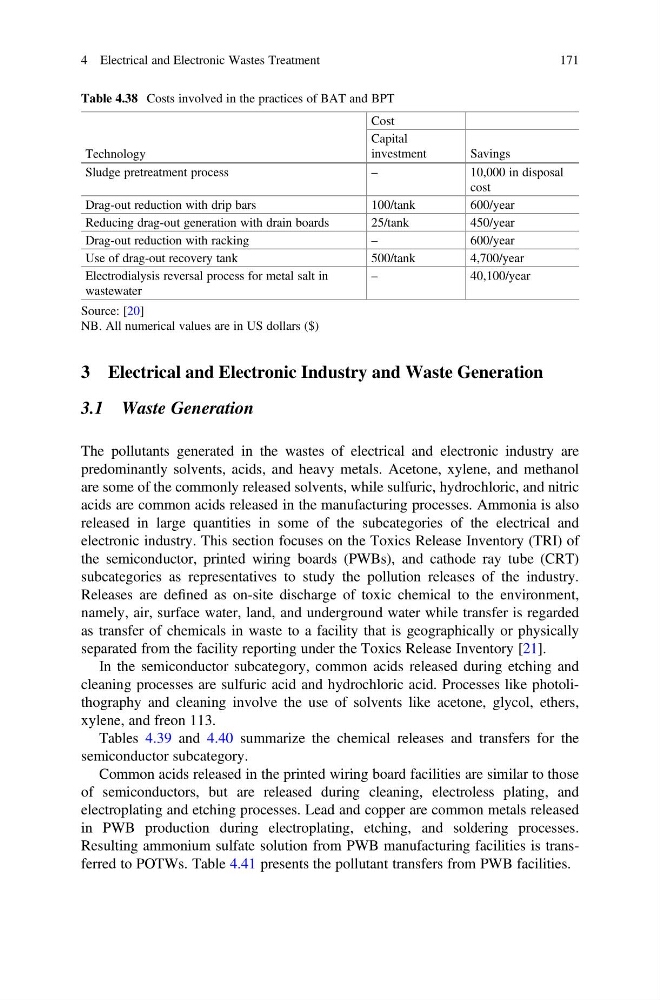
Table 4.38 Costs involved in the practices of BAT and BPT
Technology
Cost
Capital
investment
Savings
Sludge pretreatment process
–
10,000 in disposal
cost
Drag-out reduction with drip bars
100/tank
600/year
Reducing drag-out generation with drain boards
25/tank
450/year
Drag-out reduction with racking
–
600/year
Use of drag-out recovery tank
500/tank
4,700/year
Electrodialysis reversal process for metal salt in
wastewater
–
40,100/year
Source: [20]
NB. All numerical values are in US dollars ($)
4 Electrical and Electronic Wastes Treatment
171
3.1 Waste Generation
The pollutants generated in the wastes of electrical and electronic industry are
predominantly solvents, acids, and heavy metals. Acetone, xylene, and methanol
are some of the commonly released solvents, while sulfuric, hydrochloric, and nitric
acids are common acids released in the manufacturing processes. Ammonia is also
released in large quantities in some of the subcategories of the electrical and
electronic industry. This section focuses on the Toxics Release Inventory (TRI) of
the semiconductor, printed wiring boards (PWBs), and cathode ray tube (CRT)
subcategories as representatives to study the pollution releases of the industry.
Releases are defined as on-site discharge of toxic chemical to the environment,
namely, air, surface water, land, and underground water while transfer is regarded
as transfer of chemicals in waste to a facility that is geographically or physically
separated from the facility reporting under the Toxics Release Inventory [21].
In the semiconductor subcategory, common acids released during etching and
cleaning processes are sulfuric acid and hydrochloric acid. Processes like photolithography and cleaning involve the use of solvents like acetone, glycol, ethers,
xylene, and freon 113.
Tables 4.39 and 4.40 summarize the chemical releases and transfers for the
semiconductor subcategory.
Common acids released in the printed wiring board facilities are similar to those
of semiconductors, but are released during cleaning, electroless plating, and
electroplating and etching processes. Lead and copper are common metals released
in PWB production during electroplating, etching, and soldering processes.
Resulting ammonium sulfate solution from PWB manufacturing facilities is transferred to POTWs. Table 4.41 presents the pollutant transfers from PWB facilities.
Table 4.38 Costs involved in the practices of BAT and BPT
Technology
Cost
Capital
investment
Savings
Sludge pretreatment process
–
10,000 in disposal
cost
Drag-out reduction with drip bars
100/tank
600/year
Reducing drag-out generation with drain boards
25/tank
450/year
Drag-out reduction with racking
–
600/year
Use of drag-out recovery tank
500/tank
4,700/year
Electrodialysis reversal process for metal salt in
wastewater
–
40,100/year
Source: [20]
NB. All numerical values are in US dollars ($)
4 Electrical and Electronic Wastes Treatment
171