

plastics of different types through various machine-forming operations like molding,
cutting, stamping, extrusion, punching, and others. The processes involved in the
production of the above identified electrical components under this subcategory can
be described as wet, unlike in the carbon and graphite subcategory.
Manufacturing of a power transformer is passed on the manufacture of its parts,
particularly the steel core, winding of the coil, and general assembly on frame. Wet
transformers have additional accessories such as tank that holds the dielectric fluid;
there are radiators designed to air-cool the dielectric fluid when the transformer is in
use. Copper wire with 12–18 wraps of paper insulator is wound round the coil to
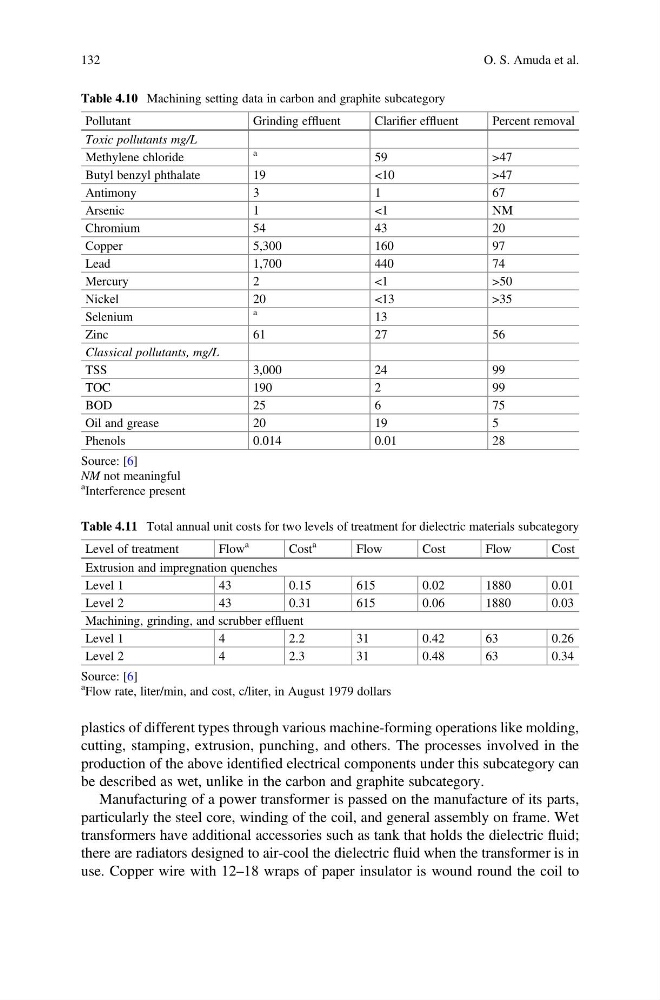
Table 4.10 Machining setting data in carbon and graphite subcategory
Pollutant
Grinding effluent
Clarifier effluent
Percent removal
Toxic pollutants mg/L
Methylene chloride
a
59
>47
Butyl benzyl phthalate
19
<10
>47
Antimony
3
1
67
Arsenic
1
<1
NM
Chromium
54
43
20
Copper
5,300
160
97
Lead
1,700
440
74
Mercury
2
<1
>50
Nickel
20
<13
>35
Selenium
a
13
Zinc
61
27
56
Classical pollutants, mg/L
TSS
3,000
24
99
TOC
190
2
99
BOD
25
6
75
Oil and grease
20
19
5
Phenols
0.014
0.01
28
Source: [6]
NM not meaningful
a Interference present
Table 4.11 Total annual unit costs for two levels of treatment for dielectric materials subcategory
Level of treatment
Flow
a
Cost
a
Flow
Cost
Flow
Cost
Extrusion and impregnation quenches
Level 1
43
0.15
615
0.02
1880
0.01
Level 2
43
0.31
615
0.06
1880
0.03
Machining, grinding, and scrubber effluent
Level 1
4
2.2
31
0.42
63
0.26
Level 2
4
2.3
31
0.48
63
0.34
Source: [6]
a Flow rate, liter/min, and cost, c/liter, in August 1979 dollars
132
O. S. Amuda et al.
cutting, stamping, extrusion, punching, and others. The processes involved in the
production of the above identified electrical components under this subcategory can
be described as wet, unlike in the carbon and graphite subcategory.
Manufacturing of a power transformer is passed on the manufacture of its parts,
particularly the steel core, winding of the coil, and general assembly on frame. Wet
transformers have additional accessories such as tank that holds the dielectric fluid;
there are radiators designed to air-cool the dielectric fluid when the transformer is in
use. Copper wire with 12–18 wraps of paper insulator is wound round the coil to
Table 4.10 Machining setting data in carbon and graphite subcategory
Pollutant
Grinding effluent
Clarifier effluent
Percent removal
Toxic pollutants mg/L
Methylene chloride
a
59
>47
Butyl benzyl phthalate
19
<10
>47
Antimony
3
1
67
Arsenic
1
<1
NM
Chromium
54
43
20
Copper
5,300
160
97
Lead
1,700
440
74
Mercury
2
<1
>50
Nickel
20
<13
>35
Selenium
a
13
Zinc
61
27
56
Classical pollutants, mg/L
TSS
3,000
24
99
TOC
190
2
99
BOD
25
6
75
Oil and grease
20
19
5
Phenols
0.014
0.01
28
Source: [6]
NM not meaningful
a Interference present
Table 4.11 Total annual unit costs for two levels of treatment for dielectric materials subcategory
Level of treatment
Flow
a
Cost
a
Flow
Cost
Flow
Cost
Extrusion and impregnation quenches
Level 1
43
0.15
615
0.02
1880
0.01
Level 2
43
0.31
615
0.06
1880
0.03
Machining, grinding, and scrubber effluent
Level 1
4
2.2
31
0.42
63
0.26
Level 2
4
2.3
31
0.48
63
0.34
Source: [6]
a Flow rate, liter/min, and cost, c/liter, in August 1979 dollars
132
O. S. Amuda et al.