

3 Disruptive Mobility in Pre- and Post-COVID Times …
85
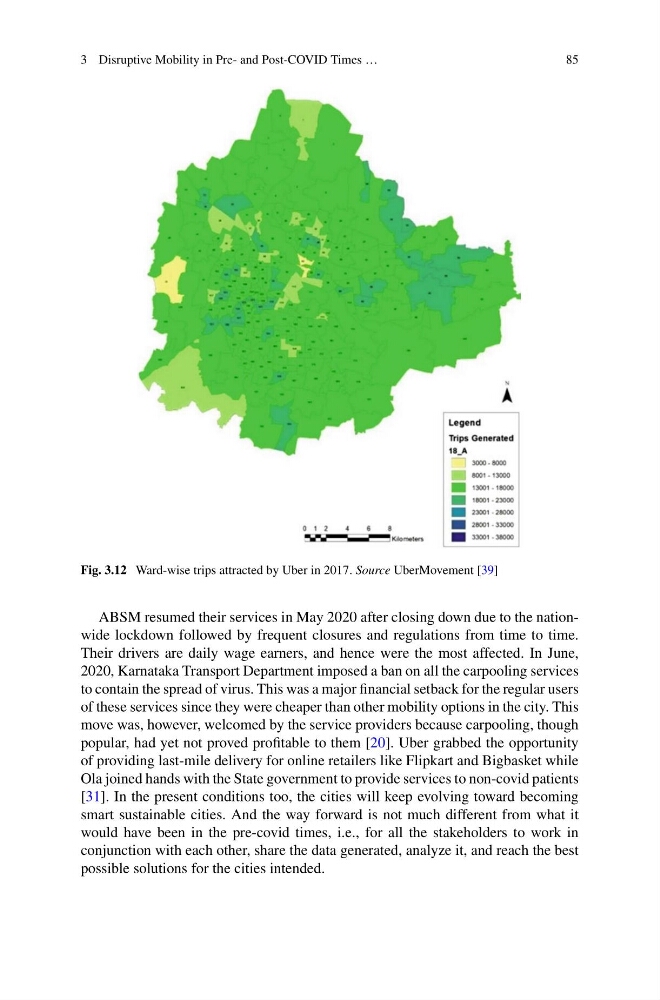
Fig. 3.12 Ward-wise trips attracted by Uber in 2017. Source UberMovement [39]
ABSM resumed their services in May 2020 after closing down due to the nationwide lockdown followed by frequent closures and regulations from time to time.
Their drivers are daily wage earners, and hence were the most affected. In June,
2020, Karnataka Transport Department imposed a ban on all the carpooling services
to contain the spread of virus. This was a major financial setback for the regular users
of these services since they were cheaper than other mobility options in the city. This
move was, however, welcomed by the service providers because carpooling, though
popular, had yet not proved profitable to them [20]. Uber grabbed the opportunity
of providing last-mile delivery for online retailers like Flipkart and Bigbasket while
Ola joined hands with the State government to provide services to non-covid patients
[31]. In the present conditions too, the cities will keep evolving toward becoming
smart sustainable cities. And the way forward is not much different from what it
would have been in the pre-covid times, i.e., for all the stakeholders to work in
conjunction with each other, share the data generated, analyze it, and reach the best
possible solutions for the cities intended.
85
Fig. 3.12 Ward-wise trips attracted by Uber in 2017. Source UberMovement [39]
ABSM resumed their services in May 2020 after closing down due to the nationwide lockdown followed by frequent closures and regulations from time to time.
Their drivers are daily wage earners, and hence were the most affected. In June,
2020, Karnataka Transport Department imposed a ban on all the carpooling services
to contain the spread of virus. This was a major financial setback for the regular users
of these services since they were cheaper than other mobility options in the city. This
move was, however, welcomed by the service providers because carpooling, though
popular, had yet not proved profitable to them [20]. Uber grabbed the opportunity
of providing last-mile delivery for online retailers like Flipkart and Bigbasket while
Ola joined hands with the State government to provide services to non-covid patients
[31]. In the present conditions too, the cities will keep evolving toward becoming
smart sustainable cities. And the way forward is not much different from what it
would have been in the pre-covid times, i.e., for all the stakeholders to work in
conjunction with each other, share the data generated, analyze it, and reach the best
possible solutions for the cities intended.