

84
N. Akhtar and P. N. Kuriakose
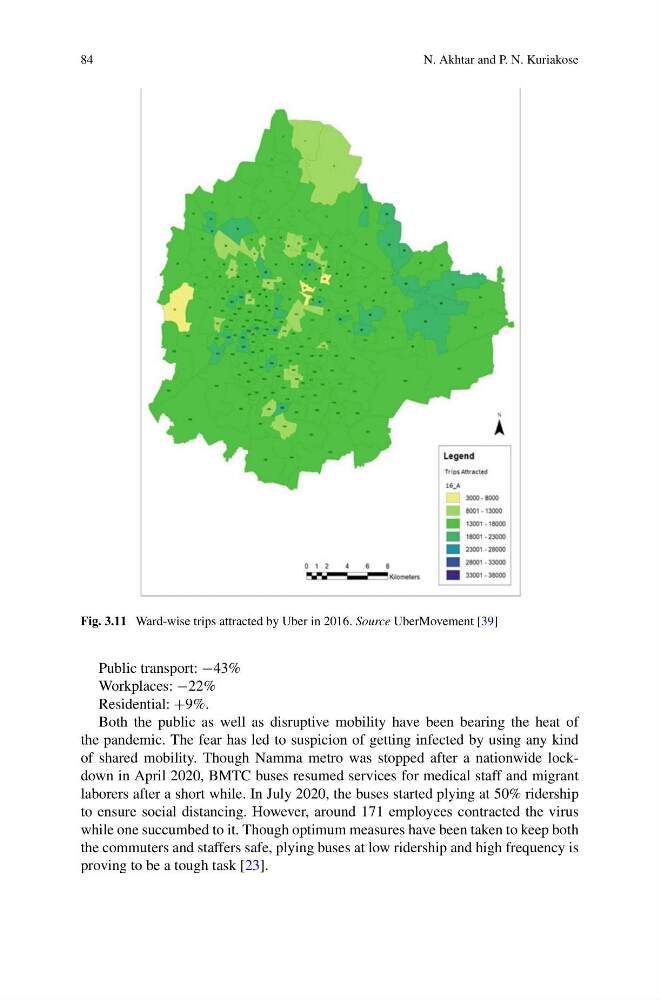
Fig. 3.11 Ward-wise trips attracted by Uber in 2016. Source UberMovement [39]
Public transport: −43%
Workplaces: −22%
Residential: +9%.
Both the public as well as disruptive mobility have been bearing the heat of
the pandemic. The fear has led to suspicion of getting infected by using any kind
of shared mobility. Though Namma metro was stopped after a nationwide lockdown in April 2020, BMTC buses resumed services for medical staff and migrant
laborers after a short while. In July 2020, the buses started plying at 50% ridership
to ensure social distancing. However, around 171 employees contracted the virus
while one succumbed to it. Though optimum measures have been taken to keep both
the commuters and staffers safe, plying buses at low ridership and high frequency is
proving to be a tough task [23].
N. Akhtar and P. N. Kuriakose
Fig. 3.11 Ward-wise trips attracted by Uber in 2016. Source UberMovement [39]
Public transport: −43%
Workplaces: −22%
Residential: +9%.
Both the public as well as disruptive mobility have been bearing the heat of
the pandemic. The fear has led to suspicion of getting infected by using any kind
of shared mobility. Though Namma metro was stopped after a nationwide lockdown in April 2020, BMTC buses resumed services for medical staff and migrant
laborers after a short while. In July 2020, the buses started plying at 50% ridership
to ensure social distancing. However, around 171 employees contracted the virus
while one succumbed to it. Though optimum measures have been taken to keep both
the commuters and staffers safe, plying buses at low ridership and high frequency is
proving to be a tough task [23].