

2.3 Electronic Structures
37
Isoelectron density surface of
4 10 -4 e/au 3 . This surface covers
the molecule concerned.
Attractive ESP area under
influence of negatively charged
portion of the molecule
Calculation of the ESP
felt by a +1 e point charge
posted at every point on the
surface.
Repulsive ESP area under
influence of positively charged
portion of the molecule
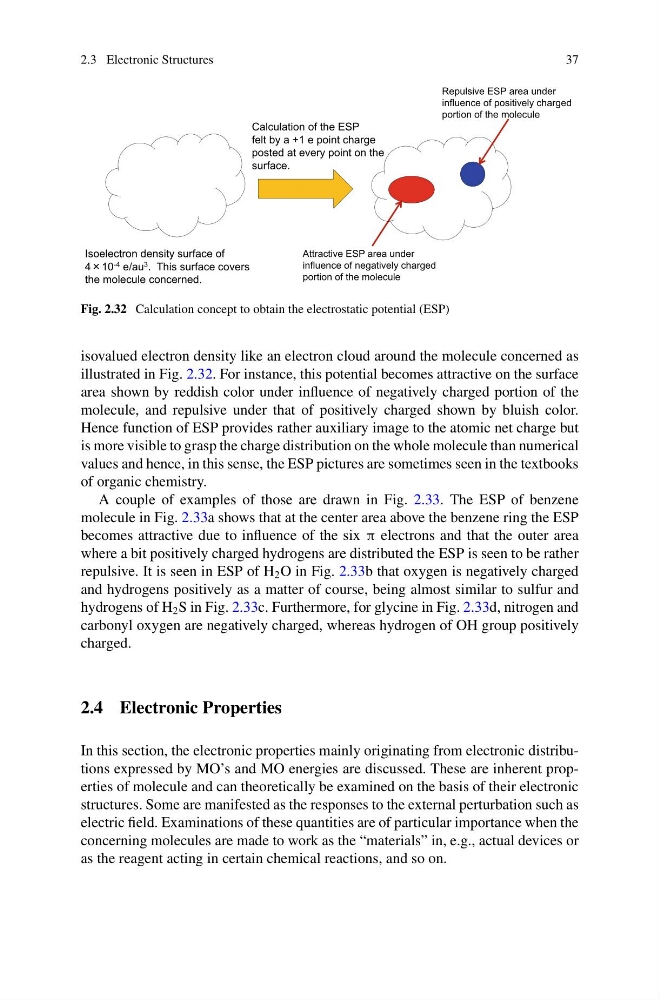
Fig. 2.32 Calculation concept to obtain the electrostatic potential (ESP)
isovalued electron density like an electron cloud around the molecule concerned as
illustrated in Fig. 2.32. For instance, this potential becomes attractive on the surface
area shown by reddish color under influence of negatively charged portion of the
molecule, and repulsive under that of positively charged shown by bluish color.
Hence function of ESP provides rather auxiliary image to the atomic net charge but
is more visible to grasp the charge distribution on the whole molecule than numerical
values and hence, in this sense, the ESP pictures are sometimes seen in the textbooks
of organic chemistry.
A couple of examples of those are drawn in Fig. 2.33. The ESP of benzene
molecule in Fig. 2.33a shows that at the center area above the benzene ring the ESP
becomes attractive due to influence of the six π electrons and that the outer area
where a bit positively charged hydrogens are distributed the ESP is seen to be rather
repulsive. It is seen in ESP of H 2 O in Fig. 2.33b that oxygen is negatively charged
and hydrogens positively as a matter of course, being almost similar to sulfur and
hydrogens of H 2 S in Fig. 2.33c. Furthermore, for glycine in Fig. 2.33d, nitrogen and
carbonyl oxygen are negatively charged, whereas hydrogen of OH group positively
charged.
2.4 Electronic Properties
In this section, the electronic properties mainly originating from electronic distributions expressed by MO’s and MO energies are discussed. These are inherent properties of molecule and can theoretically be examined on the basis of their electronic
structures. Some are manifested as the responses to the external perturbation such as
electric field. Examinations of these quantities are of particular importance when the
concerning molecules are made to work as the “materials” in, e.g., actual devices or
as the reagent acting in certain chemical reactions, and so on.
37
Isoelectron density surface of
4 10 -4 e/au 3 . This surface covers
the molecule concerned.
Attractive ESP area under
influence of negatively charged
portion of the molecule
Calculation of the ESP
felt by a +1 e point charge
posted at every point on the
surface.
Repulsive ESP area under
influence of positively charged
portion of the molecule
Fig. 2.32 Calculation concept to obtain the electrostatic potential (ESP)
isovalued electron density like an electron cloud around the molecule concerned as
illustrated in Fig. 2.32. For instance, this potential becomes attractive on the surface
area shown by reddish color under influence of negatively charged portion of the
molecule, and repulsive under that of positively charged shown by bluish color.
Hence function of ESP provides rather auxiliary image to the atomic net charge but
is more visible to grasp the charge distribution on the whole molecule than numerical
values and hence, in this sense, the ESP pictures are sometimes seen in the textbooks
of organic chemistry.
A couple of examples of those are drawn in Fig. 2.33. The ESP of benzene
molecule in Fig. 2.33a shows that at the center area above the benzene ring the ESP
becomes attractive due to influence of the six π electrons and that the outer area
where a bit positively charged hydrogens are distributed the ESP is seen to be rather
repulsive. It is seen in ESP of H 2 O in Fig. 2.33b that oxygen is negatively charged
and hydrogens positively as a matter of course, being almost similar to sulfur and
hydrogens of H 2 S in Fig. 2.33c. Furthermore, for glycine in Fig. 2.33d, nitrogen and
carbonyl oxygen are negatively charged, whereas hydrogen of OH group positively
charged.
2.4 Electronic Properties
In this section, the electronic properties mainly originating from electronic distributions expressed by MO’s and MO energies are discussed. These are inherent properties of molecule and can theoretically be examined on the basis of their electronic
structures. Some are manifested as the responses to the external perturbation such as
electric field. Examinations of these quantities are of particular importance when the
concerning molecules are made to work as the “materials” in, e.g., actual devices or
as the reagent acting in certain chemical reactions, and so on.