

hazardous waste disposal unit. The hazardous wastes disposed at the typical site
mainly include ① wastes containing highly toxic substances such as cyanide and
organophosphorus compounds, as well as medical wastes, ② wastes containing
heavy metals, ③ waste mineral oils, ④ waste organic solvents such as halides
(dichloroethane, dichloroethylene) and monocyclic aromatic compounds (toluene,
xylene), etc. Therefore, in addition to the indicators already included in the
above-mentioned categories (required), organophosphorus, total petroleum hydrocarbons, halogenated hydrocarbons and monocyclic aromatic hydrocarbons shall
also be monitored for the groundwater of the typical disposal site.
Compared with the requirements of the Draft Guide, the natural background ions
of the required categories are not monitored, not all of the regular indicators are
monitored, and the optional categories are not monitored.
(4) Optimized design of environmental monitoring scheme for groundwater
① Optimization for monitoring wells
The layout of monitoring well shall mainly consider units that may produce
wastewater and effluent containing toxic and harmful substances. The sources of
toxic and harmful wastewater of the typical disposal site include: (1) flue gas
cleaning wastewater containing heavy metal pollutants and washing water of the
highly toxic waste drum containing cyanide of the incineration workshop;
Location with the second highest probability of
damage
Location with the highest probability of
damage
Location with the highest probability of
damage
Location with the second highest probability of
damage
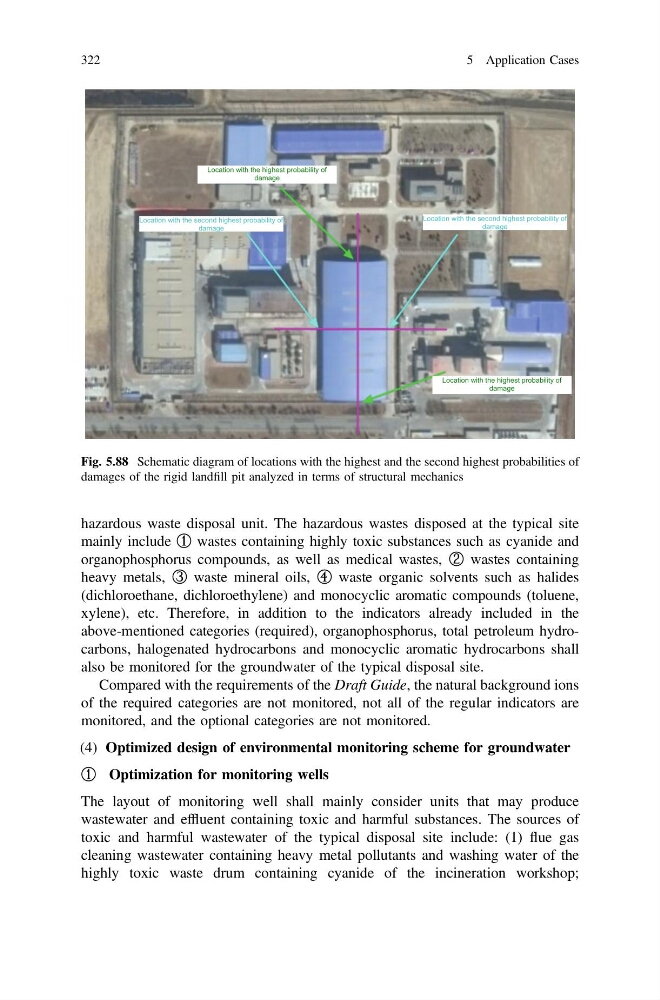
Fig. 5.88 Schematic diagram of locations with the highest and the second highest probabilities of
damages of the rigid landfill pit analyzed in terms of structural mechanics
322
5 Application Cases
mainly include ① wastes containing highly toxic substances such as cyanide and
organophosphorus compounds, as well as medical wastes, ② wastes containing
heavy metals, ③ waste mineral oils, ④ waste organic solvents such as halides
(dichloroethane, dichloroethylene) and monocyclic aromatic compounds (toluene,
xylene), etc. Therefore, in addition to the indicators already included in the
above-mentioned categories (required), organophosphorus, total petroleum hydrocarbons, halogenated hydrocarbons and monocyclic aromatic hydrocarbons shall
also be monitored for the groundwater of the typical disposal site.
Compared with the requirements of the Draft Guide, the natural background ions
of the required categories are not monitored, not all of the regular indicators are
monitored, and the optional categories are not monitored.
(4) Optimized design of environmental monitoring scheme for groundwater
① Optimization for monitoring wells
The layout of monitoring well shall mainly consider units that may produce
wastewater and effluent containing toxic and harmful substances. The sources of
toxic and harmful wastewater of the typical disposal site include: (1) flue gas
cleaning wastewater containing heavy metal pollutants and washing water of the
highly toxic waste drum containing cyanide of the incineration workshop;
Location with the second highest probability of
damage
Location with the highest probability of
damage
Location with the highest probability of
damage
Location with the second highest probability of
damage
Fig. 5.88 Schematic diagram of locations with the highest and the second highest probabilities of
damages of the rigid landfill pit analyzed in terms of structural mechanics
322
5 Application Cases