

② Analysis of monitoring data (Q1 2012–Q4 2014)
According to the monitoring data from 2012 to 2014 provided by the operation unit
of the typical disposal site, the monitoring items of groundwater at the typical site
include volatile phenols, hexavalent chromium, pH value, total hardness, chloride,
total dissolved solids, total escherichia coli, cyanide, ammonia nitrogen, arsenic,
cadmium, copper, mercury, nickel, lead, zinc, iron, manganese, fluoride, nitrite,
nitrate, sulfate and permanganate and other indicators.
See Annex 1 for the monitoring results of regular water quality indicators from
Q2 2012 to Q4 2014. It can be seen from the analysis that among the 23 detection
indicators of the typical disposal site in each quarter from 2011 to 2014, except for
the total dissolved solids and total hardness, other indicators did not exceed the
limits of Grade 3 in the Quality Standard for Ground Water GB/T 14848–1993.
According to the evaluation conclusions of the Environmental Impact Statement of
the Beijing Centralized Hazardous Waste Disposal Center, the shallow groundwater of the typical disposal site has exceeded the limits before the construction of
the disposal site, and the total hardness and total dissolved solids generally
exceeded the limits, and therefore it is the problem of regional groundwater quality.
From Figs. 5.61, 5.62, 5.63, 5.64, 5.65, 5.66, it can be seen that the concentrations
of total dissolved solids and total hardness in groundwater had seasonal fluctuations
from 2012 to 2014, and there was no further deterioration.
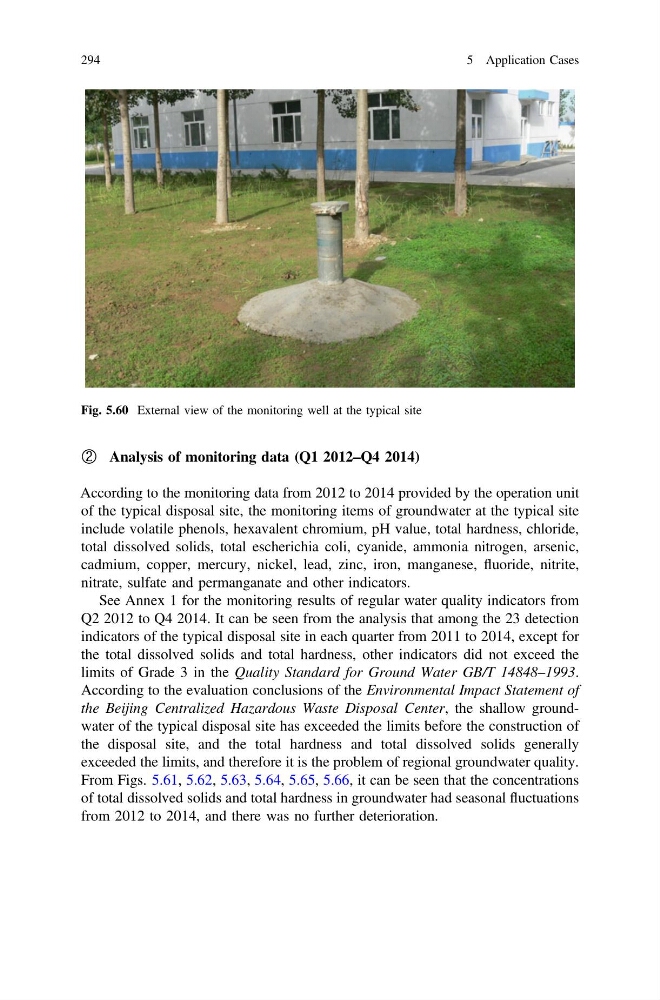
Fig. 5.60 External view of the monitoring well at the typical site
294
5 Application Cases
According to the monitoring data from 2012 to 2014 provided by the operation unit
of the typical disposal site, the monitoring items of groundwater at the typical site
include volatile phenols, hexavalent chromium, pH value, total hardness, chloride,
total dissolved solids, total escherichia coli, cyanide, ammonia nitrogen, arsenic,
cadmium, copper, mercury, nickel, lead, zinc, iron, manganese, fluoride, nitrite,
nitrate, sulfate and permanganate and other indicators.
See Annex 1 for the monitoring results of regular water quality indicators from
Q2 2012 to Q4 2014. It can be seen from the analysis that among the 23 detection
indicators of the typical disposal site in each quarter from 2011 to 2014, except for
the total dissolved solids and total hardness, other indicators did not exceed the
limits of Grade 3 in the Quality Standard for Ground Water GB/T 14848–1993.
According to the evaluation conclusions of the Environmental Impact Statement of
the Beijing Centralized Hazardous Waste Disposal Center, the shallow groundwater of the typical disposal site has exceeded the limits before the construction of
the disposal site, and the total hardness and total dissolved solids generally
exceeded the limits, and therefore it is the problem of regional groundwater quality.
From Figs. 5.61, 5.62, 5.63, 5.64, 5.65, 5.66, it can be seen that the concentrations
of total dissolved solids and total hardness in groundwater had seasonal fluctuations
from 2012 to 2014, and there was no further deterioration.
Fig. 5.60 External view of the monitoring well at the typical site
294
5 Application Cases