

25 Model-Based Design of Product-Related Information …
355
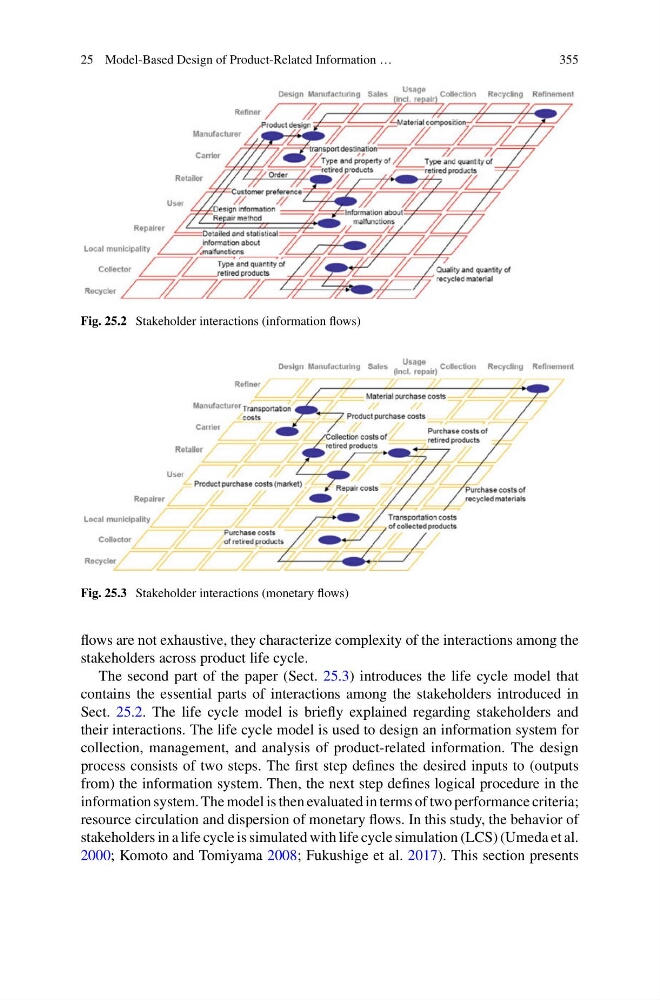
Fig. 25.2 Stakeholder interactions (information flows)
Fig. 25.3 Stakeholder interactions (monetary flows)
flows are not exhaustive, they characterize complexity of the interactions among the
stakeholders across product life cycle.
The second part of the paper (Sect. 25.3) introduces the life cycle model that
contains the essential parts of interactions among the stakeholders introduced in
Sect. 25.2. The life cycle model is briefly explained regarding stakeholders and
their interactions. The life cycle model is used to design an information system for
collection, management, and analysis of product-related information. The design
process consists of two steps. The first step defines the desired inputs to (outputs
from) the information system. Then, the next step defines logical procedure in the
information system. The model is then evaluated in terms of two performance criteria;
resource circulation and dispersion of monetary flows. In this study, the behavior of
stakeholders in a life cycle is simulated with life cycle simulation (LCS) (Umeda et al.
2000; Komoto and Tomiyama 2008; Fukushige et al. 2017). This section presents
355
Fig. 25.2 Stakeholder interactions (information flows)
Fig. 25.3 Stakeholder interactions (monetary flows)
flows are not exhaustive, they characterize complexity of the interactions among the
stakeholders across product life cycle.
The second part of the paper (Sect. 25.3) introduces the life cycle model that
contains the essential parts of interactions among the stakeholders introduced in
Sect. 25.2. The life cycle model is briefly explained regarding stakeholders and
their interactions. The life cycle model is used to design an information system for
collection, management, and analysis of product-related information. The design
process consists of two steps. The first step defines the desired inputs to (outputs
from) the information system. Then, the next step defines logical procedure in the
information system. The model is then evaluated in terms of two performance criteria;
resource circulation and dispersion of monetary flows. In this study, the behavior of
stakeholders in a life cycle is simulated with life cycle simulation (LCS) (Umeda et al.
2000; Komoto and Tomiyama 2008; Fukushige et al. 2017). This section presents