

117
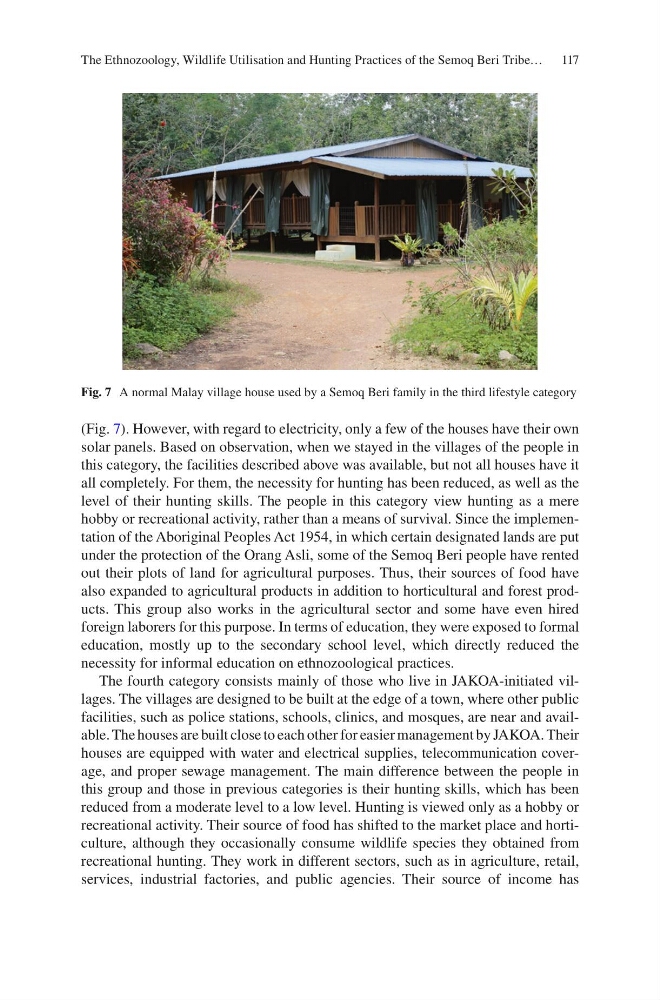
(Fig. 7). However, with regard to electricity, only a few of the houses have their own
solar panels. Based on observation, when we stayed in the villages of the people in
this category, the facilities described above was available, but not all houses have it
all completely. For them, the necessity for hunting has been reduced, as well as the
level of their hunting skills. The people in this category view hunting as a mere
hobby or recreational activity, rather than a means of survival. Since the implementation of the Aboriginal Peoples Act 1954, in which certain designated lands are put
under the protection of the Orang Asli, some of the Semoq Beri people have rented
out their plots of land for agricultural purposes. Thus, their sources of food have
also expanded to agricultural products in addition to horticultural and forest products. This group also works in the agricultural sector and some have even hired
foreign laborers for this purpose. In terms of education, they were exposed to formal
education, mostly up to the secondary school level, which directly reduced the
necessity for informal education on ethnozoological practices.
The fourth category consists mainly of those who live in JAKOA-initiated villages. The villages are designed to be built at the edge of a town, where other public
facilities, such as police stations, schools, clinics, and mosques, are near and available. The houses are built close to each other for easier management by JAKOA. Their
houses are equipped with water and electrical supplies, telecommunication coverage, and proper sewage management. The main difference between the people in
this group and those in previous categories is their hunting skills, which has been
reduced from a moderate level to a low level. Hunting is viewed only as a hobby or
recreational activity. Their source of food has shifted to the market place and horticulture, although they occasionally consume wildlife species they obtained from
recreational hunting. They work in different sectors, such as in agriculture, retail,
services, industrial factories, and public agencies. Their source of income has
Fig. 7 A normal Malay village house used by a Semoq Beri family in the third lifestyle category
The Ethnozoology, Wildlife Utilisation and Hunting Practices of the Semoq Beri Tribe…
(Fig. 7). However, with regard to electricity, only a few of the houses have their own
solar panels. Based on observation, when we stayed in the villages of the people in
this category, the facilities described above was available, but not all houses have it
all completely. For them, the necessity for hunting has been reduced, as well as the
level of their hunting skills. The people in this category view hunting as a mere
hobby or recreational activity, rather than a means of survival. Since the implementation of the Aboriginal Peoples Act 1954, in which certain designated lands are put
under the protection of the Orang Asli, some of the Semoq Beri people have rented
out their plots of land for agricultural purposes. Thus, their sources of food have
also expanded to agricultural products in addition to horticultural and forest products. This group also works in the agricultural sector and some have even hired
foreign laborers for this purpose. In terms of education, they were exposed to formal
education, mostly up to the secondary school level, which directly reduced the
necessity for informal education on ethnozoological practices.
The fourth category consists mainly of those who live in JAKOA-initiated villages. The villages are designed to be built at the edge of a town, where other public
facilities, such as police stations, schools, clinics, and mosques, are near and available. The houses are built close to each other for easier management by JAKOA. Their
houses are equipped with water and electrical supplies, telecommunication coverage, and proper sewage management. The main difference between the people in
this group and those in previous categories is their hunting skills, which has been
reduced from a moderate level to a low level. Hunting is viewed only as a hobby or
recreational activity. Their source of food has shifted to the market place and horticulture, although they occasionally consume wildlife species they obtained from
recreational hunting. They work in different sectors, such as in agriculture, retail,
services, industrial factories, and public agencies. Their source of income has
Fig. 7 A normal Malay village house used by a Semoq Beri family in the third lifestyle category
The Ethnozoology, Wildlife Utilisation and Hunting Practices of the Semoq Beri Tribe…