

552
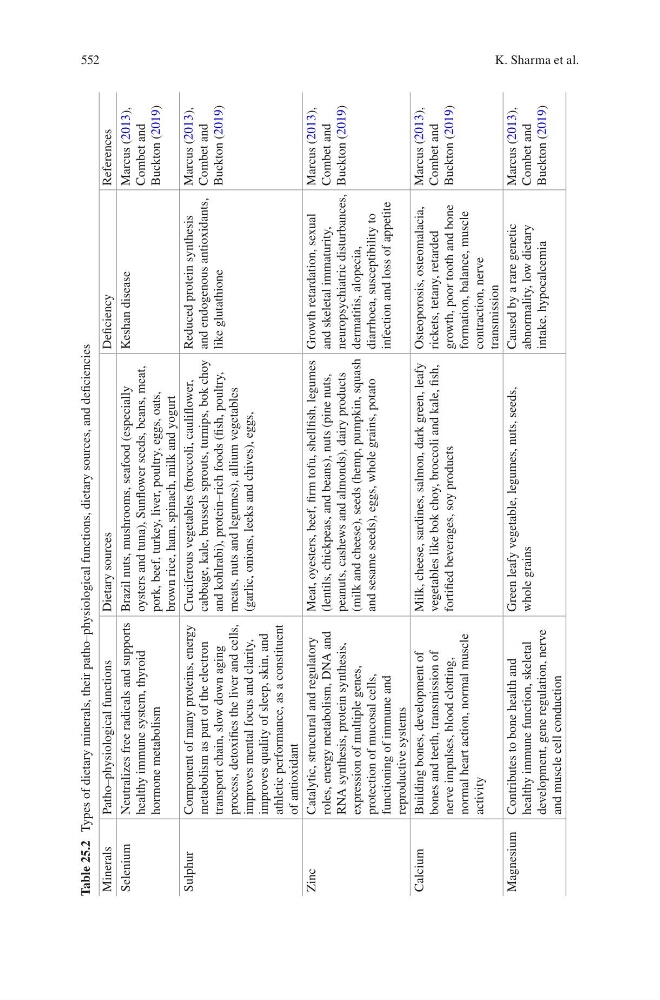
Table 25.2 Types of dietary minerals, their patho–physiological functions, dietary sources, and deficiencies
Minerals
Patho–physiological functions
Dietary sources
Deficiency
References
Selenium
Neutralizes free radicals and supports
healthy immune system, thyroid
hormone metabolism
Brazil nuts, mushrooms, seafood (especially
oysters and tuna), Sunflower seeds, beans, meat,
pork, beef, turkey, liver, poultry, eggs, oats,
brown rice, ham, spinach, milk and yogurt
Keshan disease
Marcus (2013),
Combet and
Buckton (2019)
Sulphur
Component of many proteins, energy
metabolism as part of the electron
transport chain, slow down aging
process, detoxifies the liver and cells,
improves mental focus and clarity,
improves quality of sleep, skin, and
athletic performance, as a constituent
of antioxidant
Cruciferous vegetables (broccoli, cauliflower,
cabbage, kale, brussels sprouts, turnips, bok choy
and kohlrabi), protein–rich foods (fish, poultry,
meats, nuts and legumes), allium vegetables
(garlic, onions, leeks and chives), eggs,
Reduced protein synthesis
and endogenous antioxidants,
like glutathione
Marcus (2013),
Combet and
Buckton (2019)
Zinc
Catalytic, structural and regulatory
roles, energy metabolism, DNA and
RNA synthesis, protein synthesis,
expression of multiple genes,
protection of mucosal cells,
functioning of immune and
reproductive systems
Meat, oyesters, beef, firm tofu, shellfish, legumes
(lentils, chickpeas, and beans), nuts (pine nuts,
peanuts, cashews and almonds), dairy products
(milk and cheese), seeds (hemp, pumpkin, squash
and sesame seeds), eggs, whole grains, potato
Growth retardation, sexual
and skeletal immaturity,
neuropsychiatric disturbances,
dermatitis, alopecia,
diarrhoea, susceptibility to
infection and loss of appetite
Marcus (2013),
Combet and
Buckton (2019)
Calcium
Building bones, development of
bones and teeth, transmission of
nerve impulses, blood clotting,
normal heart action, normal muscle
activity
Milk, cheese, sardines, salmon, dark green, leafy
vegetables like bok choy, broccoli and kale, fish,
fortified beverages, soy products
Osteoporosis, osteomalacia,
rickets, tetany, retarded
growth, poor tooth and bone
formation, balance, muscle
contraction, nerve
transmission
Marcus (2013),
Combet and
Buckton (2019)
Magnesium Contributes to bone health and
healthy immune function, skeletal
development, gene regulation, nerve
and muscle cell conduction
Green leafy vegetable, legumes, nuts, seeds,
whole grains
Caused by a rare genetic
abnormality, low dietary
intake, hypocalcemia
Marcus (2013),
Combet and
Buckton (2019)
K. Sharma et al.
Table 25.2 Types of dietary minerals, their patho–physiological functions, dietary sources, and deficiencies
Minerals
Patho–physiological functions
Dietary sources
Deficiency
References
Selenium
Neutralizes free radicals and supports
healthy immune system, thyroid
hormone metabolism
Brazil nuts, mushrooms, seafood (especially
oysters and tuna), Sunflower seeds, beans, meat,
pork, beef, turkey, liver, poultry, eggs, oats,
brown rice, ham, spinach, milk and yogurt
Keshan disease
Marcus (2013),
Combet and
Buckton (2019)
Sulphur
Component of many proteins, energy
metabolism as part of the electron
transport chain, slow down aging
process, detoxifies the liver and cells,
improves mental focus and clarity,
improves quality of sleep, skin, and
athletic performance, as a constituent
of antioxidant
Cruciferous vegetables (broccoli, cauliflower,
cabbage, kale, brussels sprouts, turnips, bok choy
and kohlrabi), protein–rich foods (fish, poultry,
meats, nuts and legumes), allium vegetables
(garlic, onions, leeks and chives), eggs,
Reduced protein synthesis
and endogenous antioxidants,
like glutathione
Marcus (2013),
Combet and
Buckton (2019)
Zinc
Catalytic, structural and regulatory
roles, energy metabolism, DNA and
RNA synthesis, protein synthesis,
expression of multiple genes,
protection of mucosal cells,
functioning of immune and
reproductive systems
Meat, oyesters, beef, firm tofu, shellfish, legumes
(lentils, chickpeas, and beans), nuts (pine nuts,
peanuts, cashews and almonds), dairy products
(milk and cheese), seeds (hemp, pumpkin, squash
and sesame seeds), eggs, whole grains, potato
Growth retardation, sexual
and skeletal immaturity,
neuropsychiatric disturbances,
dermatitis, alopecia,
diarrhoea, susceptibility to
infection and loss of appetite
Marcus (2013),
Combet and
Buckton (2019)
Calcium
Building bones, development of
bones and teeth, transmission of
nerve impulses, blood clotting,
normal heart action, normal muscle
activity
Milk, cheese, sardines, salmon, dark green, leafy
vegetables like bok choy, broccoli and kale, fish,
fortified beverages, soy products
Osteoporosis, osteomalacia,
rickets, tetany, retarded
growth, poor tooth and bone
formation, balance, muscle
contraction, nerve
transmission
Marcus (2013),
Combet and
Buckton (2019)
Magnesium Contributes to bone health and
healthy immune function, skeletal
development, gene regulation, nerve
and muscle cell conduction
Green leafy vegetable, legumes, nuts, seeds,
whole grains
Caused by a rare genetic
abnormality, low dietary
intake, hypocalcemia
Marcus (2013),
Combet and
Buckton (2019)
K. Sharma et al.