

144
(5) Procedures for microbial protein production are particularly aerobic (eliminating those using algae). Thus, adequate amount of oxygen needs to be provided.
Furthermore, cooling systems are also vital as large amount of heat is
produced.
(6) Recovery of the microbial biomass is achieved from the medium.
(7) In order to increase microbial protein use and/or storage time, processing of the
microbiological biomass is necessary.
8.5 Nutritional Values of Microbial Proteins
The nutritional value of microbial proteins differs with the microorganisms used.
The technique of drying, harvesting and processing affects the nutritional value of
the end product. The composition of microbial protein depends on the microorganism and the substrate used to produce it (Suman et al. 2015).
Microbial protein generally includes proteins, fats, carbohydrates, water, and
other elements like potassium and phosphorus. Aside from their nutritional benefits,
microbial proteins can also be produced whole year round so supply may not be a
problem. It can also help the environment as waste materials are utilized as substrates. Very less area of land is needed and microbial protein is produced in a very
short time in comparison to other sources.
To evaluate nutritional value of microbial proteins, numerous factors should to
be taken in consideration like composition of nutrients, amino acids and vitamins;
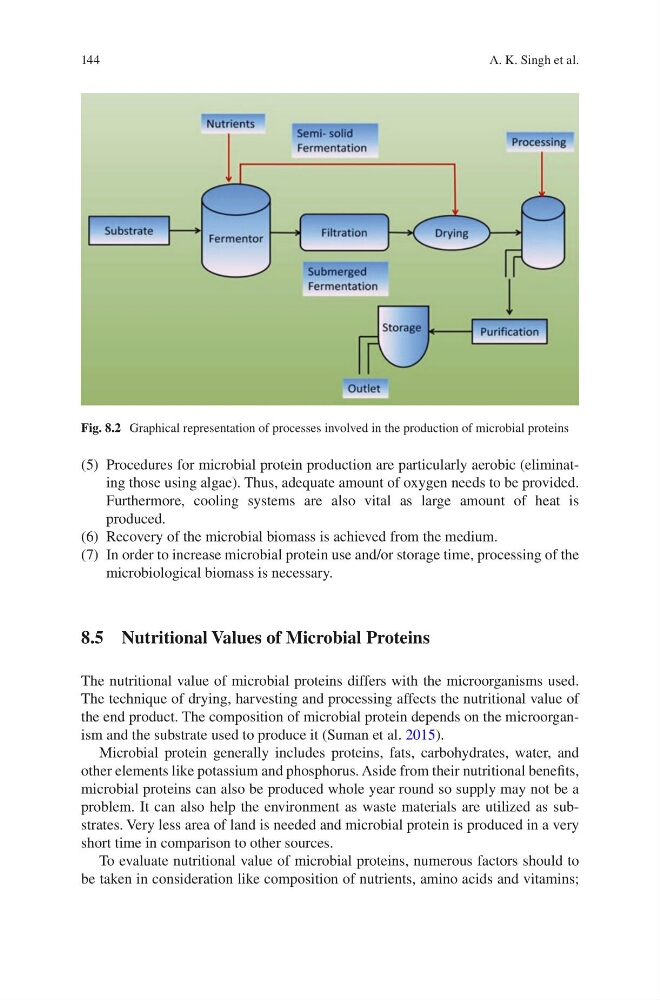
Fig. 8.2 Graphical representation of processes involved in the production of microbial proteins
A. K. Singh et al.
(5) Procedures for microbial protein production are particularly aerobic (eliminating those using algae). Thus, adequate amount of oxygen needs to be provided.
Furthermore, cooling systems are also vital as large amount of heat is
produced.
(6) Recovery of the microbial biomass is achieved from the medium.
(7) In order to increase microbial protein use and/or storage time, processing of the
microbiological biomass is necessary.
8.5 Nutritional Values of Microbial Proteins
The nutritional value of microbial proteins differs with the microorganisms used.
The technique of drying, harvesting and processing affects the nutritional value of
the end product. The composition of microbial protein depends on the microorganism and the substrate used to produce it (Suman et al. 2015).
Microbial protein generally includes proteins, fats, carbohydrates, water, and
other elements like potassium and phosphorus. Aside from their nutritional benefits,
microbial proteins can also be produced whole year round so supply may not be a
problem. It can also help the environment as waste materials are utilized as substrates. Very less area of land is needed and microbial protein is produced in a very
short time in comparison to other sources.
To evaluate nutritional value of microbial proteins, numerous factors should to
be taken in consideration like composition of nutrients, amino acids and vitamins;
Fig. 8.2 Graphical representation of processes involved in the production of microbial proteins
A. K. Singh et al.