

households indicated that gardens do not generate income, but provide food for the
family. Very few households (179) emphasised that gardens were generating income
for them, and most of them were located in or near city centres, i.e. close to high
value markets. This situation results in some of the benefits of food gardens being
lost, i.e. the reduction of household expenses for the purchasing of food, and the
generation of income through the sale of surplus produce. The results in Fig. 14.12
indicate an almost equal response in terms of gardens supporting social initiatives.
The contribution of some gardens towards social initiatives is well noted and should
be further supported. The GDARD should also prioritise environmental awareness
among their households.
As represented in Fig. 14.13, about 81% of households were not aware of the
environmental and sustainability. The focus group discussions indicated that the low
levels of environmental awareness among households is because the mandate of
environmental issues belongs to another department. If households were properly
educated about environmental issues and importance thereof, it would increase
environmental benefits from the recycling of water and waste nutrients, controlling
shade, dust and erosion, and maintaining or increasing local biodiversity. This would
lead to a more sustainable environment and communities, as discussed during the
face-to-face interviews, observations, focus group discussions, and available
literature.
Impumulelo Devon
Kwazenzele
Ratanda
Henly on Klip
Evaton
Sebokeng
Sicelo
Daleside
Tshepiso
Tshepong
Lakeside Estate
Iron Side
Jameson Park
Frequency
Locations
Locations
60
50
40
30
20
10
0
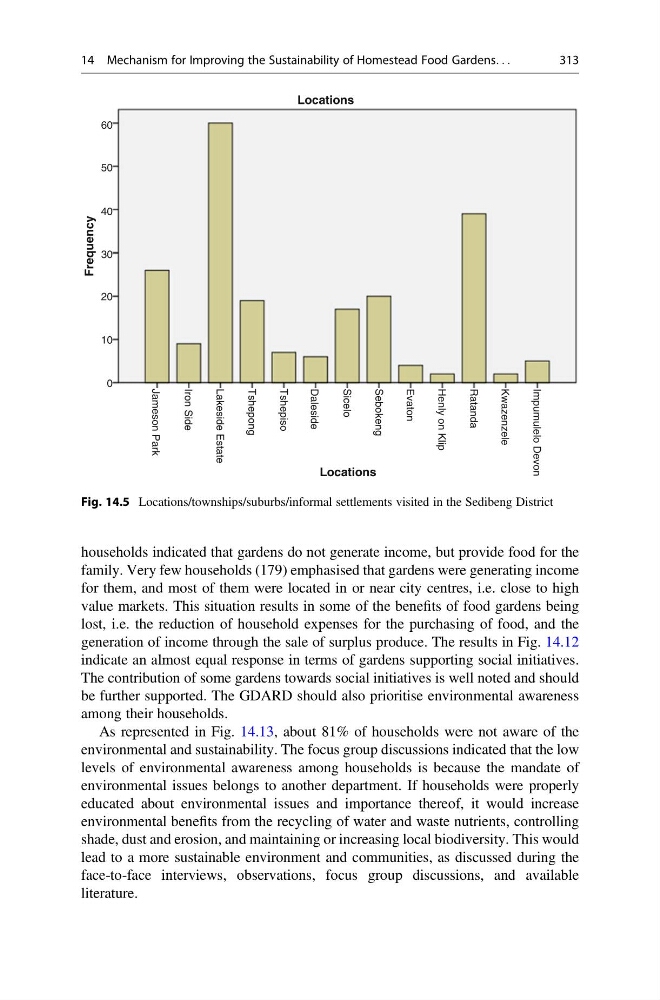
Fig. 14.5 Locations/townships/suburbs/informal settlements visited in the Sedibeng District
14 Mechanism for Improving the Sustainability of Homestead Food Gardens. . .
313
family. Very few households (179) emphasised that gardens were generating income
for them, and most of them were located in or near city centres, i.e. close to high
value markets. This situation results in some of the benefits of food gardens being
lost, i.e. the reduction of household expenses for the purchasing of food, and the
generation of income through the sale of surplus produce. The results in Fig. 14.12
indicate an almost equal response in terms of gardens supporting social initiatives.
The contribution of some gardens towards social initiatives is well noted and should
be further supported. The GDARD should also prioritise environmental awareness
among their households.
As represented in Fig. 14.13, about 81% of households were not aware of the
environmental and sustainability. The focus group discussions indicated that the low
levels of environmental awareness among households is because the mandate of
environmental issues belongs to another department. If households were properly
educated about environmental issues and importance thereof, it would increase
environmental benefits from the recycling of water and waste nutrients, controlling
shade, dust and erosion, and maintaining or increasing local biodiversity. This would
lead to a more sustainable environment and communities, as discussed during the
face-to-face interviews, observations, focus group discussions, and available
literature.
Impumulelo Devon
Kwazenzele
Ratanda
Henly on Klip
Evaton
Sebokeng
Sicelo
Daleside
Tshepiso
Tshepong
Lakeside Estate
Iron Side
Jameson Park
Frequency
Locations
Locations
60
50
40
30
20
10
0
Fig. 14.5 Locations/townships/suburbs/informal settlements visited in the Sedibeng District
14 Mechanism for Improving the Sustainability of Homestead Food Gardens. . .
313