

196
J. L. Braga and M. Dionísio
• Language proficiency
• Proactivity
• Interpersonal
relationship skills
• Dedication
- Personal fulfillment
- Cosmopolitanism
- Management skills
- Criativity
VOCATIONAL
NON-VOCATIONAL
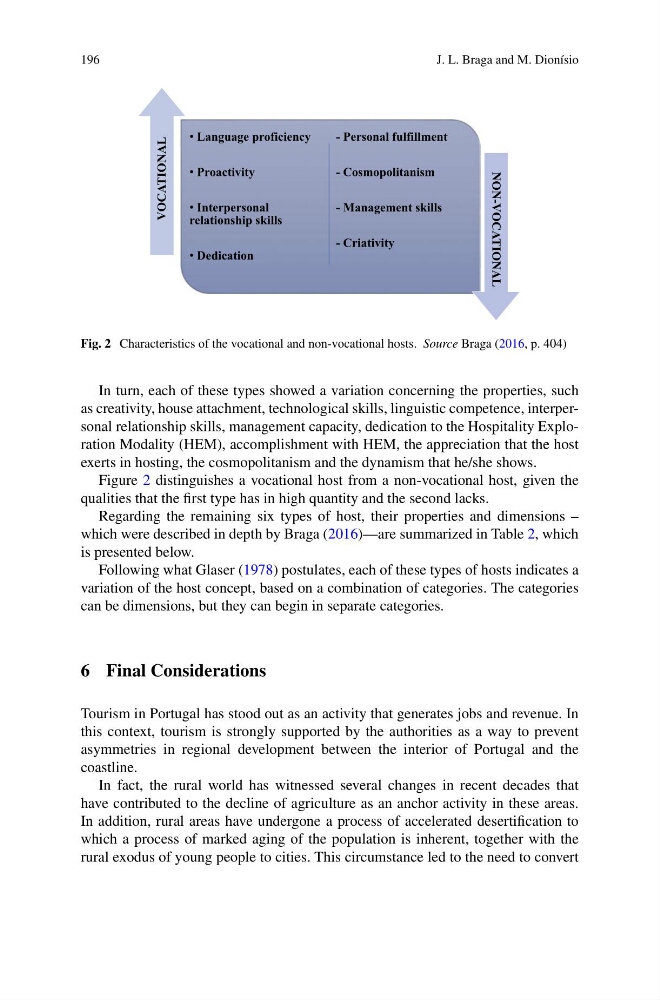
Fig. 2 Characteristics of the vocational and non-vocational hosts. Source Braga (2016, p. 404)
In turn, each of these types showed a variation concerning the properties, such
as creativity, house attachment, technological skills, linguistic competence, interpersonal relationship skills, management capacity, dedication to the Hospitality Exploration Modality (HEM), accomplishment with HEM, the appreciation that the host
exerts in hosting, the cosmopolitanism and the dynamism that he/she shows.
Figure 2 distinguishes a vocational host from a non-vocational host, given the
qualities that the first type has in high quantity and the second lacks.
Regarding the remaining six types of host, their properties and dimensions –
which were described in depth by Braga (2016)—are summarized in Table 2, which
is presented below.
Following what Glaser (1978) postulates, each of these types of hosts indicates a
variation of the host concept, based on a combination of categories. The categories
can be dimensions, but they can begin in separate categories.
6 Final Considerations
Tourism in Portugal has stood out as an activity that generates jobs and revenue. In
this context, tourism is strongly supported by the authorities as a way to prevent
asymmetries in regional development between the interior of Portugal and the
coastline.
In fact, the rural world has witnessed several changes in recent decades that
have contributed to the decline of agriculture as an anchor activity in these areas.
In addition, rural areas have undergone a process of accelerated desertification to
which a process of marked aging of the population is inherent, together with the
rural exodus of young people to cities. This circumstance led to the need to convert
J. L. Braga and M. Dionísio
• Language proficiency
• Proactivity
• Interpersonal
relationship skills
• Dedication
- Personal fulfillment
- Cosmopolitanism
- Management skills
- Criativity
VOCATIONAL
NON-VOCATIONAL
Fig. 2 Characteristics of the vocational and non-vocational hosts. Source Braga (2016, p. 404)
In turn, each of these types showed a variation concerning the properties, such
as creativity, house attachment, technological skills, linguistic competence, interpersonal relationship skills, management capacity, dedication to the Hospitality Exploration Modality (HEM), accomplishment with HEM, the appreciation that the host
exerts in hosting, the cosmopolitanism and the dynamism that he/she shows.
Figure 2 distinguishes a vocational host from a non-vocational host, given the
qualities that the first type has in high quantity and the second lacks.
Regarding the remaining six types of host, their properties and dimensions –
which were described in depth by Braga (2016)—are summarized in Table 2, which
is presented below.
Following what Glaser (1978) postulates, each of these types of hosts indicates a
variation of the host concept, based on a combination of categories. The categories
can be dimensions, but they can begin in separate categories.
6 Final Considerations
Tourism in Portugal has stood out as an activity that generates jobs and revenue. In
this context, tourism is strongly supported by the authorities as a way to prevent
asymmetries in regional development between the interior of Portugal and the
coastline.
In fact, the rural world has witnessed several changes in recent decades that
have contributed to the decline of agriculture as an anchor activity in these areas.
In addition, rural areas have undergone a process of accelerated desertification to
which a process of marked aging of the population is inherent, together with the
rural exodus of young people to cities. This circumstance led to the need to convert