

Niño is very helpful for Karnataka as the state economy relies on agricultural
activity, and an adequate water supply is required for the cultivation of rice, jowar,
bajra, maize, ragi, small millets, pulses, castor, cotton, and sugarcane. Flood occurs
only when the water in the reservoirs is not properly discharged at regular intervals.
With early prediction of ENSO available, the government can take necessary
measures related to the drought or flood conditions that will prevail in the upcoming
year. In drought conditions, available water needs be stored to last for months, and
agricultural activities can be shifted to preceding or succeeding months as per the
rainfall. During La Niña years, the fishery is severely affected along coastal Karnataka by the warm ocean current. Similarly, in El Niño years, the fishery gains
because of the cold ocean current. Warm water is less dense than cold water, and
fishes do not survive in warm water because all the microorganisms are destroyed,
thus causing a shortage in their food supply. Hence, the fish move towards cold
water.
References
Barnston AG, Chelliah M, Goldenberg SB (1997) Documentation of a highly ENSO-related SST
region in the equatorial Pacific. Atmos Ocean 35:367–383
Bjerknes J (1969) Atmospheric teleconnections from the Equatorial Pacific. J Phys Oceanogr
97:163–172
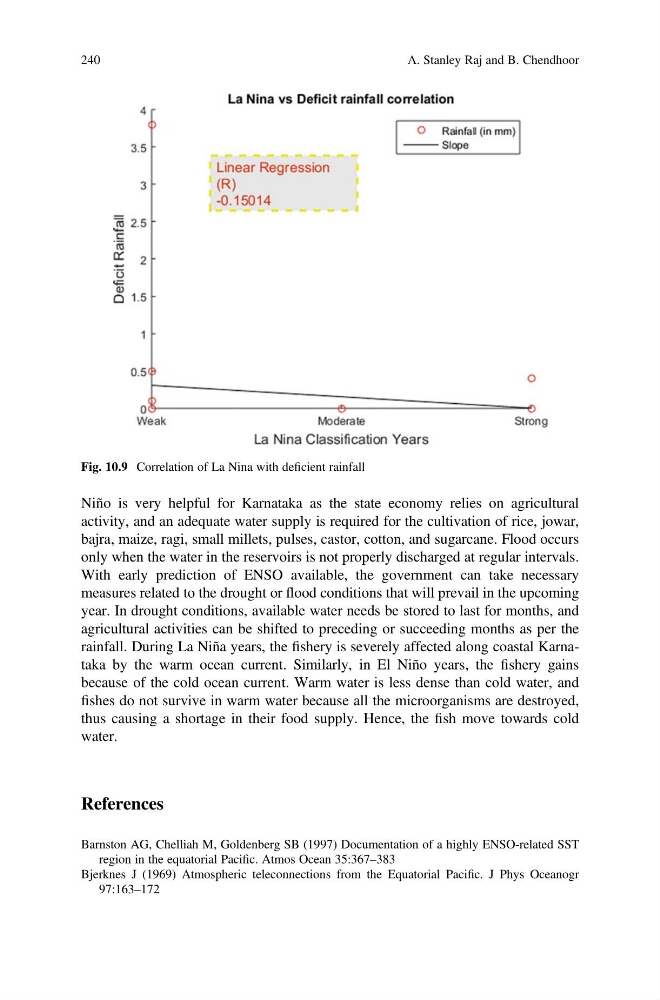
Fig. 10.9 Correlation of La Nina with deficient rainfall
240
A. Stanley Raj and B. Chendhoor
activity, and an adequate water supply is required for the cultivation of rice, jowar,
bajra, maize, ragi, small millets, pulses, castor, cotton, and sugarcane. Flood occurs
only when the water in the reservoirs is not properly discharged at regular intervals.
With early prediction of ENSO available, the government can take necessary
measures related to the drought or flood conditions that will prevail in the upcoming
year. In drought conditions, available water needs be stored to last for months, and
agricultural activities can be shifted to preceding or succeeding months as per the
rainfall. During La Niña years, the fishery is severely affected along coastal Karnataka by the warm ocean current. Similarly, in El Niño years, the fishery gains
because of the cold ocean current. Warm water is less dense than cold water, and
fishes do not survive in warm water because all the microorganisms are destroyed,
thus causing a shortage in their food supply. Hence, the fish move towards cold
water.
References
Barnston AG, Chelliah M, Goldenberg SB (1997) Documentation of a highly ENSO-related SST
region in the equatorial Pacific. Atmos Ocean 35:367–383
Bjerknes J (1969) Atmospheric teleconnections from the Equatorial Pacific. J Phys Oceanogr
97:163–172
Fig. 10.9 Correlation of La Nina with deficient rainfall
240
A. Stanley Raj and B. Chendhoor