

Impact of Runoff on Water and Soil Quality Analysis
Dissolved oxygen (DO) is a critical water quality parameter for characterizing the
health of an aquatic system. It is a measurement of the oxygen dissolved in water that
is available to fish and other aquatic life. The DO content of water results from the
photosynthetic and respiratory activities of the flora and fauna in the system and the
mixing of atmospheric oxygen with waters through wind and stream current action.
The optimum level of dissolved oxygen, 7–8 mg/l, is said to be good for agricultural
prospects. A DO content greater than 6.0 mg/l is favorable for plants for their
maturation (Table 9.2). pH values between 7 and 8 are optimal for supporting a
diverse aquatic ecosystem. A pH range between 6.5 and 8.5 is generally usable. The
range of pH values of water taken from the field is suitable for the plants because it
lies between 7 and 8, which is safe for human requirements. Biochemical oxygen
demand (BOD) is a measure of the amount of oxygen consumed by the respiration of
microorganisms while feeding on decomposing organic material such as algae and
other dead plants. Excessive nutrients (phosphates and nitrates) can cause algal
blooms, and their eventual decomposition can cause massive fish kills if BOD
drastically lowers the DO levels. The BOD should not be so great as to lower the
dissolved oxygen to an unacceptable level (6.0 mg/l or less). The range of BOD,
0.5–1.9, of the water taken from the field is suitable for plants. These very low values
Semi-disturbed Catchment
500
450
400
350
300
250
200
150
100
50
0
Jan
Feb
Mar
Apr
May
Month
Runoff (mm)
June July
Undisturbed Catchment
Disturbed Catchment
Aug Sept
Oct
Nov
Dec
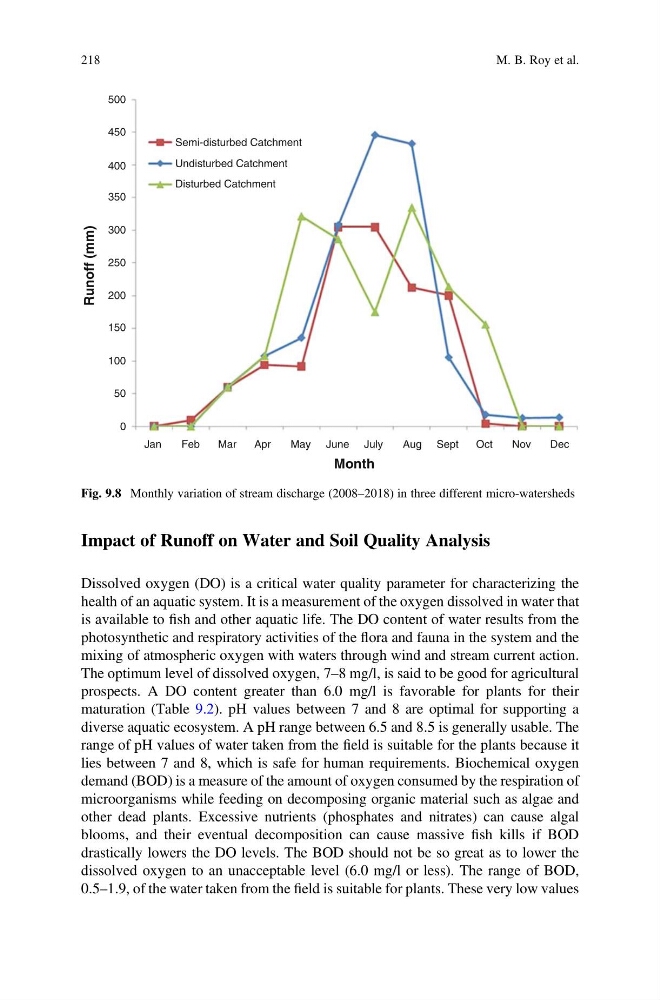
Fig. 9.8 Monthly variation of stream discharge (2008–2018) in three different micro-watersheds
218
M. B. Roy et al.
Dissolved oxygen (DO) is a critical water quality parameter for characterizing the
health of an aquatic system. It is a measurement of the oxygen dissolved in water that
is available to fish and other aquatic life. The DO content of water results from the
photosynthetic and respiratory activities of the flora and fauna in the system and the
mixing of atmospheric oxygen with waters through wind and stream current action.
The optimum level of dissolved oxygen, 7–8 mg/l, is said to be good for agricultural
prospects. A DO content greater than 6.0 mg/l is favorable for plants for their
maturation (Table 9.2). pH values between 7 and 8 are optimal for supporting a
diverse aquatic ecosystem. A pH range between 6.5 and 8.5 is generally usable. The
range of pH values of water taken from the field is suitable for the plants because it
lies between 7 and 8, which is safe for human requirements. Biochemical oxygen
demand (BOD) is a measure of the amount of oxygen consumed by the respiration of
microorganisms while feeding on decomposing organic material such as algae and
other dead plants. Excessive nutrients (phosphates and nitrates) can cause algal
blooms, and their eventual decomposition can cause massive fish kills if BOD
drastically lowers the DO levels. The BOD should not be so great as to lower the
dissolved oxygen to an unacceptable level (6.0 mg/l or less). The range of BOD,
0.5–1.9, of the water taken from the field is suitable for plants. These very low values
Semi-disturbed Catchment
500
450
400
350
300
250
200
150
100
50
0
Jan
Feb
Mar
Apr
May
Month
Runoff (mm)
June July
Undisturbed Catchment
Disturbed Catchment
Aug Sept
Oct
Nov
Dec
Fig. 9.8 Monthly variation of stream discharge (2008–2018) in three different micro-watersheds
218
M. B. Roy et al.