

of knowledge about the effect of heat on the
natural environment, there is little knowledge
about the effect of heatwaves [53, 60]. That is,
the effect of sustained periods, and different intensities, of heat on the natural environment is predominantly unknown. A symptom of the current
health-orientated focus of heatwaves is that
impacts of heatwaves and heatwave risk mitigation are formally dealt at an institutional level
through health services in London [67].
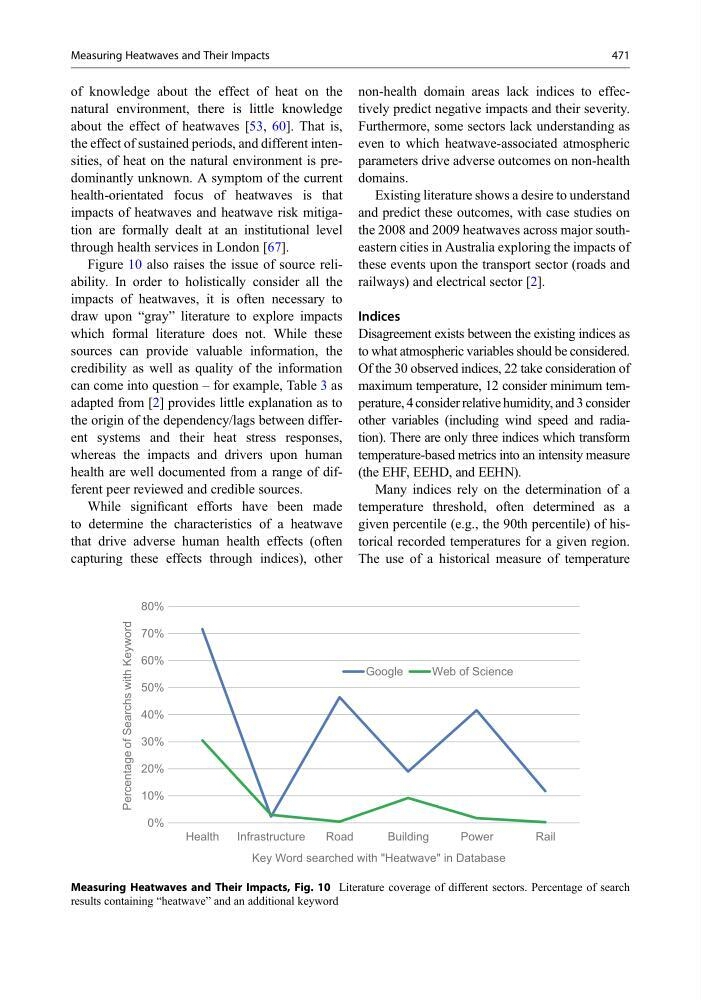
Figure 10 also raises the issue of source reliability. In order to holistically consider all the
impacts of heatwaves, it is often necessary to
draw upon “gray” literature to explore impacts
which formal literature does not. While these
sources can provide valuable information, the
credibility as well as quality of the information
can come into question – for example, Table 3 as
adapted from [2] provides little explanation as to
the origin of the dependency/lags between different systems and their heat stress responses,
whereas the impacts and drivers upon human
health are well documented from a range of different peer reviewed and credible sources.
While significant efforts have been made
to determine the characteristics of a heatwave
that drive adverse human health effects (often
capturing these effects through indices), other
non-health domain areas lack indices to effectively predict negative impacts and their severity.
Furthermore, some sectors lack understanding as
even to which heatwave-associated atmospheric
parameters drive adverse outcomes on non-health
domains.
Existing literature shows a desire to understand
and predict these outcomes, with case studies on
the 2008 and 2009 heatwaves across major southeastern cities in Australia exploring the impacts of
these events upon the transport sector (roads and
railways) and electrical sector [2].
Indices
Disagreement exists between the existing indices as
to what atmospheric variables should be considered.
Of the 30 observed indices, 22 take consideration of
maximum temperature, 12 consider minimum temperature, 4 consider relative humidity, and 3 consider
other variables (including wind speed and radiation). There are only three indices which transform
temperature-based metrics into an intensity measure
(the EHF, EEHD, and EEHN).
Many indices rely on the determination of a
temperature threshold, often determined as a
given percentile (e.g., the 90th percentile) of historical recorded temperatures for a given region.
The use of a historical measure of temperature
0%
10%
20%
30%
40%
50%
60%
70%
80%
Health
Infrastructure
Road
Building
Power
Rail
d
r
o
w
y
e
K
h
t
i
w
s
h
c
r
a
e
S
f
o
e
g
a
t
n
e
c
r
e
P
Key Word searched with "Heatwave" in Database
Google
Web of Science
Measuring Heatwaves and Their Impacts, Fig. 10 Literature coverage of different sectors. Percentage of search
results containing “heatwave” and an additional keyword
Measuring Heatwaves and Their Impacts
471
natural environment, there is little knowledge
about the effect of heatwaves [53, 60]. That is,
the effect of sustained periods, and different intensities, of heat on the natural environment is predominantly unknown. A symptom of the current
health-orientated focus of heatwaves is that
impacts of heatwaves and heatwave risk mitigation are formally dealt at an institutional level
through health services in London [67].
Figure 10 also raises the issue of source reliability. In order to holistically consider all the
impacts of heatwaves, it is often necessary to
draw upon “gray” literature to explore impacts
which formal literature does not. While these
sources can provide valuable information, the
credibility as well as quality of the information
can come into question – for example, Table 3 as
adapted from [2] provides little explanation as to
the origin of the dependency/lags between different systems and their heat stress responses,
whereas the impacts and drivers upon human
health are well documented from a range of different peer reviewed and credible sources.
While significant efforts have been made
to determine the characteristics of a heatwave
that drive adverse human health effects (often
capturing these effects through indices), other
non-health domain areas lack indices to effectively predict negative impacts and their severity.
Furthermore, some sectors lack understanding as
even to which heatwave-associated atmospheric
parameters drive adverse outcomes on non-health
domains.
Existing literature shows a desire to understand
and predict these outcomes, with case studies on
the 2008 and 2009 heatwaves across major southeastern cities in Australia exploring the impacts of
these events upon the transport sector (roads and
railways) and electrical sector [2].
Indices
Disagreement exists between the existing indices as
to what atmospheric variables should be considered.
Of the 30 observed indices, 22 take consideration of
maximum temperature, 12 consider minimum temperature, 4 consider relative humidity, and 3 consider
other variables (including wind speed and radiation). There are only three indices which transform
temperature-based metrics into an intensity measure
(the EHF, EEHD, and EEHN).
Many indices rely on the determination of a
temperature threshold, often determined as a
given percentile (e.g., the 90th percentile) of historical recorded temperatures for a given region.
The use of a historical measure of temperature
0%
10%
20%
30%
40%
50%
60%
70%
80%
Health
Infrastructure
Road
Building
Power
Rail
d
r
o
w
y
e
K
h
t
i
w
s
h
c
r
a
e
S
f
o
e
g
a
t
n
e
c
r
e
P
Key Word searched with "Heatwave" in Database
Web of Science
Measuring Heatwaves and Their Impacts, Fig. 10 Literature coverage of different sectors. Percentage of search
results containing “heatwave” and an additional keyword
Measuring Heatwaves and Their Impacts
471