

Actions during service 161
less than 5 years had almost entirely disintegrated. At the very least, it
can be observed that the part of the concrete pipe above the wastewater
line is heavily damaged and even disappeared over significant lengths. This
case was caused by so-called biogenic sulfuric acid attack, which is more
aggressive than pure sulfuric acid attack (see Section 5.3.3). The adjective
‘biogenic’ is added to make clear that micro-organisms or bacteria play an
important role in the damage process.
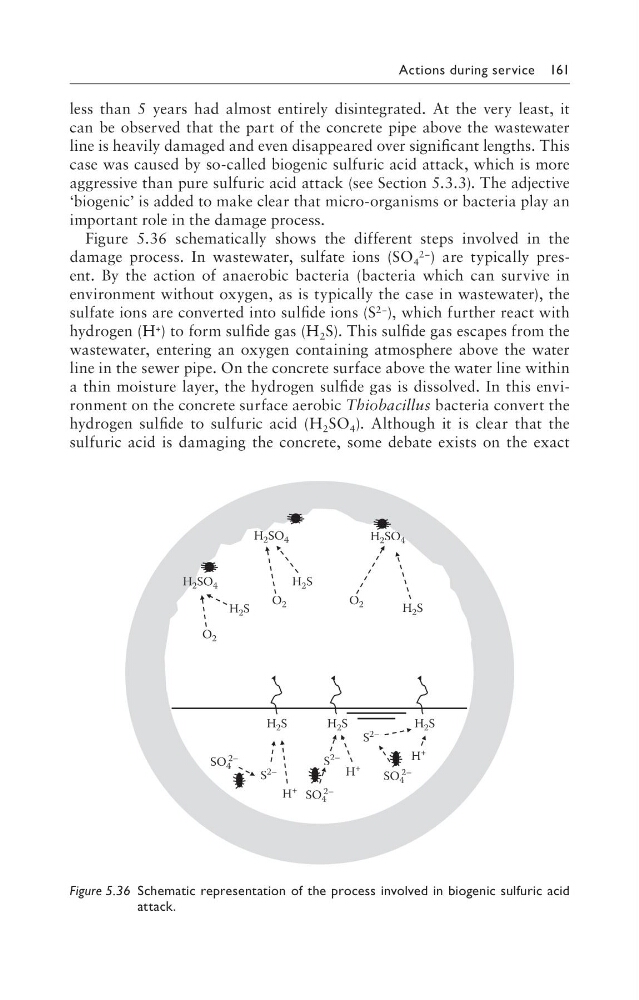
Figure 5.36 schematically shows the different steps involved in the
damage process. In wastewater, sulfate ions (SO 4
2− ) are typically present. By the action of anaerobic bacteria (bacteria which can survive in
environment without oxygen, as is typically the case in wastewater), the
sulfate ions are converted into sulfide ions (S 2− ), which further react with
hydrogen (H + ) to form sulfide gas (H 2 S). This sulfide gas escapes from the
wastewater, entering an oxygen containing atmosphere above the water
line in the sewer pipe. On the concrete surface above the water line within
a thin moisture layer, the hydrogen sulfide gas is dissolved. In this environment on the concrete surface aerobic Thiobacillus bacteria convert the
hydrogen sulfide to sulfuric acid (H 2 SO 4 ). Although it is clear that the
sulfuric acid is damaging the concrete, some debate exists on the exact
SO 4
2–
SO 4
2–
SO 4
2–
H
+
H
+
S
2–
S
2–
S
2–
O 2
O 2
O 2
H
+
H 2 S
H 2 S
H 2 S
H 2 SO 4
H 2 SO 4
H 2 SO 4
H 2 S
H 2 S
H 2 S
Figure 5.36 Schematic representation of the process involved in biogenic sulfuric acid
attack.
less than 5 years had almost entirely disintegrated. At the very least, it
can be observed that the part of the concrete pipe above the wastewater
line is heavily damaged and even disappeared over significant lengths. This
case was caused by so-called biogenic sulfuric acid attack, which is more
aggressive than pure sulfuric acid attack (see Section 5.3.3). The adjective
‘biogenic’ is added to make clear that micro-organisms or bacteria play an
important role in the damage process.
Figure 5.36 schematically shows the different steps involved in the
damage process. In wastewater, sulfate ions (SO 4
2− ) are typically present. By the action of anaerobic bacteria (bacteria which can survive in
environment without oxygen, as is typically the case in wastewater), the
sulfate ions are converted into sulfide ions (S 2− ), which further react with
hydrogen (H + ) to form sulfide gas (H 2 S). This sulfide gas escapes from the
wastewater, entering an oxygen containing atmosphere above the water
line in the sewer pipe. On the concrete surface above the water line within
a thin moisture layer, the hydrogen sulfide gas is dissolved. In this environment on the concrete surface aerobic Thiobacillus bacteria convert the
hydrogen sulfide to sulfuric acid (H 2 SO 4 ). Although it is clear that the
sulfuric acid is damaging the concrete, some debate exists on the exact
SO 4
2–
SO 4
2–
SO 4
2–
H
+
H
+
S
2–
S
2–
S
2–
O 2
O 2
O 2
H
+
H 2 S
H 2 S
H 2 S
H 2 SO 4
H 2 SO 4
H 2 SO 4
H 2 S
H 2 S
H 2 S
Figure 5.36 Schematic representation of the process involved in biogenic sulfuric acid
attack.