

332
V. W. B. Martins et al.
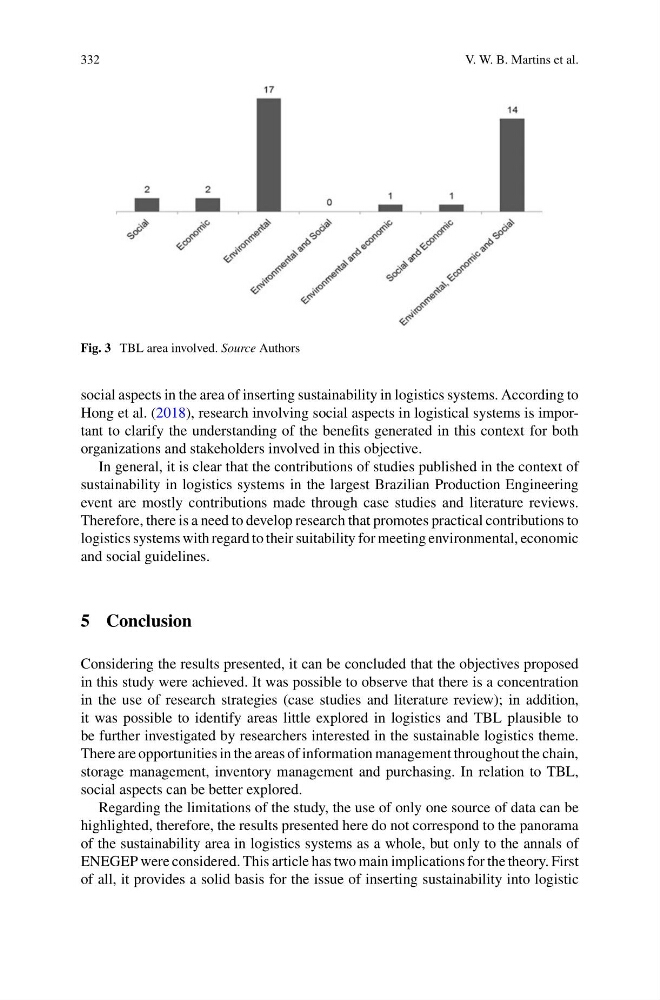
Fig. 3 TBL area involved. Source Authors
social aspects in the area of inserting sustainability in logistics systems. According to
Hong et al. (2018), research involving social aspects in logistical systems is important to clarify the understanding of the benefits generated in this context for both
organizations and stakeholders involved in this objective.
In general, it is clear that the contributions of studies published in the context of
sustainability in logistics systems in the largest Brazilian Production Engineering
event are mostly contributions made through case studies and literature reviews.
Therefore, there is a need to develop research that promotes practical contributions to
logistics systems with regard to their suitability for meeting environmental, economic
and social guidelines.
5 Conclusion
Considering the results presented, it can be concluded that the objectives proposed
in this study were achieved. It was possible to observe that there is a concentration
in the use of research strategies (case studies and literature review); in addition,
it was possible to identify areas little explored in logistics and TBL plausible to
be further investigated by researchers interested in the sustainable logistics theme.
There are opportunities in the areas of information management throughout the chain,
storage management, inventory management and purchasing. In relation to TBL,
social aspects can be better explored.
Regarding the limitations of the study, the use of only one source of data can be
highlighted, therefore, the results presented here do not correspond to the panorama
of the sustainability area in logistics systems as a whole, but only to the annals of
ENEGEP were considered. This article has two main implications for the theory. First
of all, it provides a solid basis for the issue of inserting sustainability into logistic
V. W. B. Martins et al.
Fig. 3 TBL area involved. Source Authors
social aspects in the area of inserting sustainability in logistics systems. According to
Hong et al. (2018), research involving social aspects in logistical systems is important to clarify the understanding of the benefits generated in this context for both
organizations and stakeholders involved in this objective.
In general, it is clear that the contributions of studies published in the context of
sustainability in logistics systems in the largest Brazilian Production Engineering
event are mostly contributions made through case studies and literature reviews.
Therefore, there is a need to develop research that promotes practical contributions to
logistics systems with regard to their suitability for meeting environmental, economic
and social guidelines.
5 Conclusion
Considering the results presented, it can be concluded that the objectives proposed
in this study were achieved. It was possible to observe that there is a concentration
in the use of research strategies (case studies and literature review); in addition,
it was possible to identify areas little explored in logistics and TBL plausible to
be further investigated by researchers interested in the sustainable logistics theme.
There are opportunities in the areas of information management throughout the chain,
storage management, inventory management and purchasing. In relation to TBL,
social aspects can be better explored.
Regarding the limitations of the study, the use of only one source of data can be
highlighted, therefore, the results presented here do not correspond to the panorama
of the sustainability area in logistics systems as a whole, but only to the annals of
ENEGEP were considered. This article has two main implications for the theory. First
of all, it provides a solid basis for the issue of inserting sustainability into logistic