

Sustainability in Logistic Systems: An Analysis of Articles Published …
331
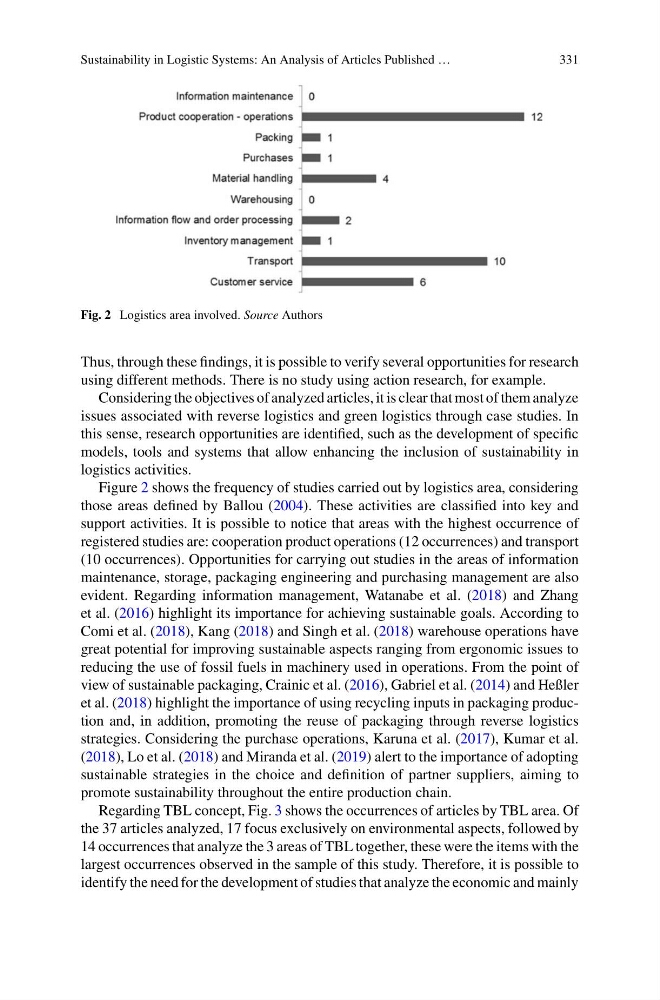
Fig. 2 Logistics area involved. Source Authors
Thus, through these findings, it is possible to verify several opportunities for research
using different methods. There is no study using action research, for example.
Considering the objectives of analyzed articles, it is clear that most of them analyze
issues associated with reverse logistics and green logistics through case studies. In
this sense, research opportunities are identified, such as the development of specific
models, tools and systems that allow enhancing the inclusion of sustainability in
logistics activities.
Figure 2 shows the frequency of studies carried out by logistics area, considering
those areas defined by Ballou (2004). These activities are classified into key and
support activities. It is possible to notice that areas with the highest occurrence of
registered studies are: cooperation product operations (12 occurrences) and transport
(10 occurrences). Opportunities for carrying out studies in the areas of information
maintenance, storage, packaging engineering and purchasing management are also
evident. Regarding information management, Watanabe et al. (2018) and Zhang
et al. (2016) highlight its importance for achieving sustainable goals. According to
Comi et al. (2018), Kang (2018) and Singh et al. (2018) warehouse operations have
great potential for improving sustainable aspects ranging from ergonomic issues to
reducing the use of fossil fuels in machinery used in operations. From the point of
view of sustainable packaging, Crainic et al. (2016), Gabriel et al. (2014) and Heßler
et al. (2018) highlight the importance of using recycling inputs in packaging production and, in addition, promoting the reuse of packaging through reverse logistics
strategies. Considering the purchase operations, Karuna et al. (2017), Kumar et al.
(2018), Lo et al. (2018) and Miranda et al. (2019) alert to the importance of adopting
sustainable strategies in the choice and definition of partner suppliers, aiming to
promote sustainability throughout the entire production chain.
Regarding TBL concept, Fig. 3 shows the occurrences of articles by TBL area. Of
the 37 articles analyzed, 17 focus exclusively on environmental aspects, followed by
14 occurrences that analyze the 3 areas of TBL together, these were the items with the
largest occurrences observed in the sample of this study. Therefore, it is possible to
identify the need for the development of studies that analyze the economic and mainly
331
Fig. 2 Logistics area involved. Source Authors
Thus, through these findings, it is possible to verify several opportunities for research
using different methods. There is no study using action research, for example.
Considering the objectives of analyzed articles, it is clear that most of them analyze
issues associated with reverse logistics and green logistics through case studies. In
this sense, research opportunities are identified, such as the development of specific
models, tools and systems that allow enhancing the inclusion of sustainability in
logistics activities.
Figure 2 shows the frequency of studies carried out by logistics area, considering
those areas defined by Ballou (2004). These activities are classified into key and
support activities. It is possible to notice that areas with the highest occurrence of
registered studies are: cooperation product operations (12 occurrences) and transport
(10 occurrences). Opportunities for carrying out studies in the areas of information
maintenance, storage, packaging engineering and purchasing management are also
evident. Regarding information management, Watanabe et al. (2018) and Zhang
et al. (2016) highlight its importance for achieving sustainable goals. According to
Comi et al. (2018), Kang (2018) and Singh et al. (2018) warehouse operations have
great potential for improving sustainable aspects ranging from ergonomic issues to
reducing the use of fossil fuels in machinery used in operations. From the point of
view of sustainable packaging, Crainic et al. (2016), Gabriel et al. (2014) and Heßler
et al. (2018) highlight the importance of using recycling inputs in packaging production and, in addition, promoting the reuse of packaging through reverse logistics
strategies. Considering the purchase operations, Karuna et al. (2017), Kumar et al.
(2018), Lo et al. (2018) and Miranda et al. (2019) alert to the importance of adopting
sustainable strategies in the choice and definition of partner suppliers, aiming to
promote sustainability throughout the entire production chain.
Regarding TBL concept, Fig. 3 shows the occurrences of articles by TBL area. Of
the 37 articles analyzed, 17 focus exclusively on environmental aspects, followed by
14 occurrences that analyze the 3 areas of TBL together, these were the items with the
largest occurrences observed in the sample of this study. Therefore, it is possible to
identify the need for the development of studies that analyze the economic and mainly