

Discussion of New Product Development Process Sustainability …
159
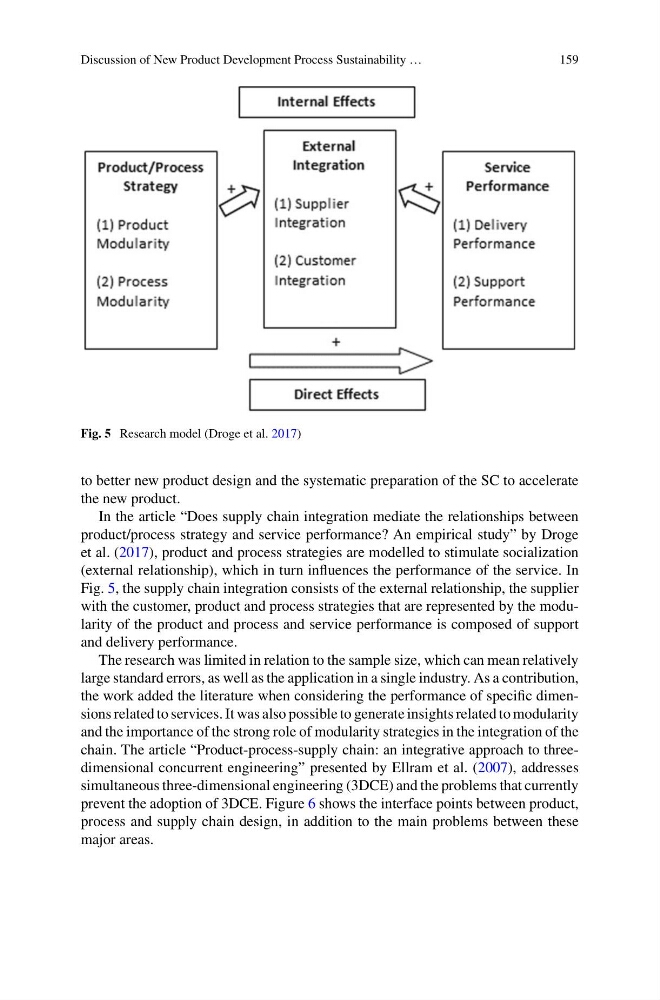
Fig. 5 Research model (Droge et al. 2017)
to better new product design and the systematic preparation of the SC to accelerate
the new product.
In the article “Does supply chain integration mediate the relationships between
product/process strategy and service performance? An empirical study” by Droge
et al. (2017), product and process strategies are modelled to stimulate socialization
(external relationship), which in turn influences the performance of the service. In
Fig. 5, the supply chain integration consists of the external relationship, the supplier
with the customer, product and process strategies that are represented by the modularity of the product and process and service performance is composed of support
and delivery performance.
The research was limited in relation to the sample size, which can mean relatively
large standard errors, as well as the application in a single industry. As a contribution,
the work added the literature when considering the performance of specific dimensions related to services. It was also possible to generate insights related to modularity
and the importance of the strong role of modularity strategies in the integration of the
chain. The article “Product-process-supply chain: an integrative approach to threedimensional concurrent engineering” presented by Ellram et al. (2007), addresses
simultaneous three-dimensional engineering (3DCE) and the problems that currently
prevent the adoption of 3DCE. Figure 6 shows the interface points between product,
process and supply chain design, in addition to the main problems between these
major areas.
159
Fig. 5 Research model (Droge et al. 2017)
to better new product design and the systematic preparation of the SC to accelerate
the new product.
In the article “Does supply chain integration mediate the relationships between
product/process strategy and service performance? An empirical study” by Droge
et al. (2017), product and process strategies are modelled to stimulate socialization
(external relationship), which in turn influences the performance of the service. In
Fig. 5, the supply chain integration consists of the external relationship, the supplier
with the customer, product and process strategies that are represented by the modularity of the product and process and service performance is composed of support
and delivery performance.
The research was limited in relation to the sample size, which can mean relatively
large standard errors, as well as the application in a single industry. As a contribution,
the work added the literature when considering the performance of specific dimensions related to services. It was also possible to generate insights related to modularity
and the importance of the strong role of modularity strategies in the integration of the
chain. The article “Product-process-supply chain: an integrative approach to threedimensional concurrent engineering” presented by Ellram et al. (2007), addresses
simultaneous three-dimensional engineering (3DCE) and the problems that currently
prevent the adoption of 3DCE. Figure 6 shows the interface points between product,
process and supply chain design, in addition to the main problems between these
major areas.