

94
M. Morioka et al.
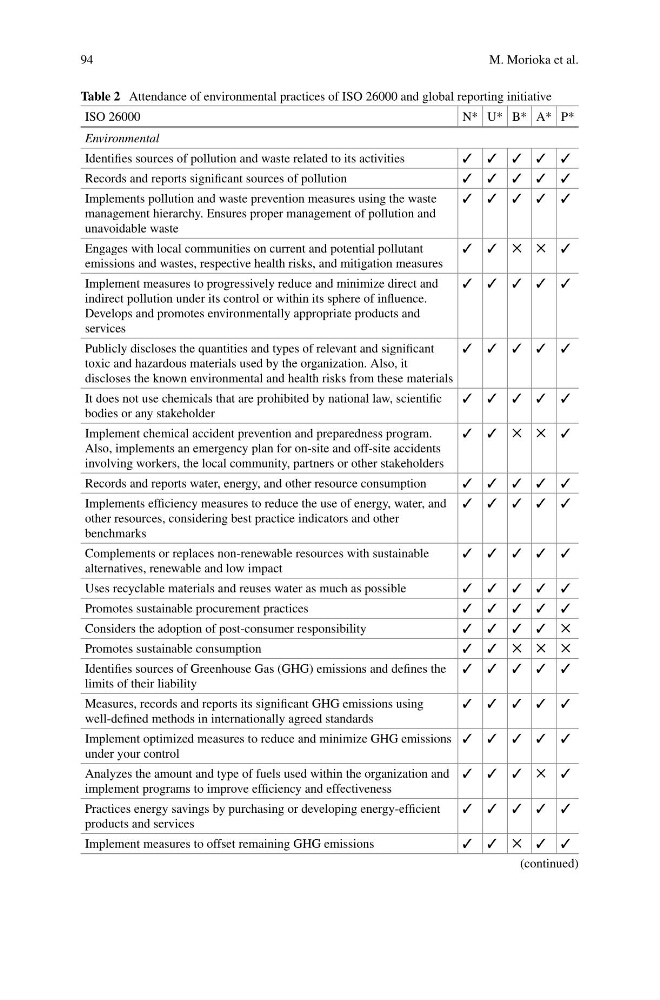
Table 2 Attendance of environmental practices of ISO 26000 and global reporting initiative
ISO 26000
N* U* B* A* P*
Environmental
Identifies sources of pollution and waste related to its activities
✓ ✓ ✓ ✓ ✓
Records and reports significant sources of pollution
✓ ✓ ✓ ✓ ✓
Implements pollution and waste prevention measures using the waste
management hierarchy. Ensures proper management of pollution and
unavoidable waste
✓ ✓ ✓ ✓ ✓
Engages with local communities on current and potential pollutant
emissions and wastes, respective health risks, and mitigation measures
✓ ✓ ✕ ✕ ✓
Implement measures to progressively reduce and minimize direct and
indirect pollution under its control or within its sphere of influence.
Develops and promotes environmentally appropriate products and
services
✓ ✓ ✓ ✓ ✓
Publicly discloses the quantities and types of relevant and significant
toxic and hazardous materials used by the organization. Also, it
discloses the known environmental and health risks from these materials
✓ ✓ ✓ ✓ ✓
It does not use chemicals that are prohibited by national law, scientific
bodies or any stakeholder
✓ ✓ ✓ ✓ ✓
Implement chemical accident prevention and preparedness program.
Also, implements an emergency plan for on-site and off-site accidents
involving workers, the local community, partners or other stakeholders
✓ ✓ ✕ ✕ ✓
Records and reports water, energy, and other resource consumption
✓ ✓ ✓ ✓ ✓
Implements efficiency measures to reduce the use of energy, water, and
other resources, considering best practice indicators and other
benchmarks
✓ ✓ ✓ ✓ ✓
Complements or replaces non-renewable resources with sustainable
alternatives, renewable and low impact
✓ ✓ ✓ ✓ ✓
Uses recyclable materials and reuses water as much as possible
✓ ✓ ✓ ✓ ✓
Promotes sustainable procurement practices
✓ ✓ ✓ ✓ ✓
Considers the adoption of post-consumer responsibility
✓ ✓ ✓ ✓ ✕
Promotes sustainable consumption
✓ ✓ ✕ ✕ ✕
Identifies sources of Greenhouse Gas (GHG) emissions and defines the
limits of their liability
✓ ✓ ✓ ✓ ✓
Measures, records and reports its significant GHG emissions using
well-defined methods in internationally agreed standards
✓ ✓ ✓ ✓ ✓
Implement optimized measures to reduce and minimize GHG emissions
under your control
✓ ✓ ✓ ✓ ✓
Analyzes the amount and type of fuels used within the organization and
implement programs to improve efficiency and effectiveness
✓ ✓ ✓ ✕ ✓
Practices energy savings by purchasing or developing energy-efficient
products and services
✓ ✓ ✓ ✓ ✓
Implement measures to offset remaining GHG emissions
✓ ✓ ✕ ✓ ✓
(continued)
M. Morioka et al.
Table 2 Attendance of environmental practices of ISO 26000 and global reporting initiative
ISO 26000
N* U* B* A* P*
Environmental
Identifies sources of pollution and waste related to its activities
✓ ✓ ✓ ✓ ✓
Records and reports significant sources of pollution
✓ ✓ ✓ ✓ ✓
Implements pollution and waste prevention measures using the waste
management hierarchy. Ensures proper management of pollution and
unavoidable waste
✓ ✓ ✓ ✓ ✓
Engages with local communities on current and potential pollutant
emissions and wastes, respective health risks, and mitigation measures
✓ ✓ ✕ ✕ ✓
Implement measures to progressively reduce and minimize direct and
indirect pollution under its control or within its sphere of influence.
Develops and promotes environmentally appropriate products and
services
✓ ✓ ✓ ✓ ✓
Publicly discloses the quantities and types of relevant and significant
toxic and hazardous materials used by the organization. Also, it
discloses the known environmental and health risks from these materials
✓ ✓ ✓ ✓ ✓
It does not use chemicals that are prohibited by national law, scientific
bodies or any stakeholder
✓ ✓ ✓ ✓ ✓
Implement chemical accident prevention and preparedness program.
Also, implements an emergency plan for on-site and off-site accidents
involving workers, the local community, partners or other stakeholders
✓ ✓ ✕ ✕ ✓
Records and reports water, energy, and other resource consumption
✓ ✓ ✓ ✓ ✓
Implements efficiency measures to reduce the use of energy, water, and
other resources, considering best practice indicators and other
benchmarks
✓ ✓ ✓ ✓ ✓
Complements or replaces non-renewable resources with sustainable
alternatives, renewable and low impact
✓ ✓ ✓ ✓ ✓
Uses recyclable materials and reuses water as much as possible
✓ ✓ ✓ ✓ ✓
Promotes sustainable procurement practices
✓ ✓ ✓ ✓ ✓
Considers the adoption of post-consumer responsibility
✓ ✓ ✓ ✓ ✕
Promotes sustainable consumption
✓ ✓ ✕ ✕ ✕
Identifies sources of Greenhouse Gas (GHG) emissions and defines the
limits of their liability
✓ ✓ ✓ ✓ ✓
Measures, records and reports its significant GHG emissions using
well-defined methods in internationally agreed standards
✓ ✓ ✓ ✓ ✓
Implement optimized measures to reduce and minimize GHG emissions
under your control
✓ ✓ ✓ ✓ ✓
Analyzes the amount and type of fuels used within the organization and
implement programs to improve efficiency and effectiveness
✓ ✓ ✓ ✕ ✓
Practices energy savings by purchasing or developing energy-efficient
products and services
✓ ✓ ✓ ✓ ✓
Implement measures to offset remaining GHG emissions
✓ ✓ ✕ ✓ ✓
(continued)