

3.3 Acidogenic and Acetogenic Organisms
Choi (2020) investigated the effect of acidic rice bran broth of fermentation process
(RFFB), tap water (TFFB), or the by-product constituents of fresh fish (FB) on the
decrease of slurry as well as biogas manufacture in a co-digestion procedure which is
essentially anaerobic. The acidogenical fermentation of FB with the indigenous rice
bran constituents was quicker and provided supplementary VFA than tap process
water and municipal supply water. The decreased efficiency for the oxygen consumption of chemicals, VS, as well as total amount of solids was maximum at RFFB.
The kinetic parameter λ (d), which signifies the delay phase length, was shorter with
RFFB (1.093 d) as well as higher in sewage municipal and domestic sludge (8.87 d).
As the quantity of VS is weighed down and the necessity for chemical oxygen
increases, the quantity of biogas accumulated also increases. The quantity of methane made and the recovery of energy were higher at the RFFB (5.72 kWh). The
anaerobic joint fermentation of FFB as well as municipal sewage sludge has enabled
the reduction of sludge as well as recovery of the energy through the use of scrap
waste by way of an organic carbon source. Figure 3.4 shows the products formed
during acidogenesis and acetogenesis processes.
Coelho et al. (2020) examined the potential evaluation as well as kinetic modelling of CA production with milk wastewater as a substrate. The work should also
evaluate the possible manufacture of CA from milk-derived wastewater coming
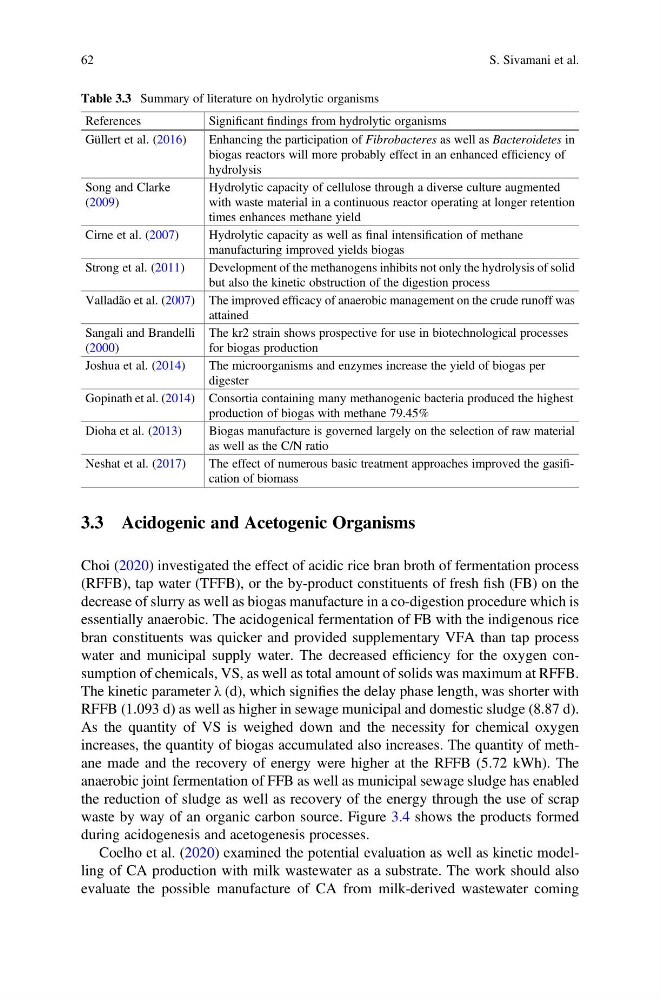
Table 3.3 Summary of literature on hydrolytic organisms
References
Significant findings from hydrolytic organisms
Güllert et al. (2016)
Enhancing the participation of Fibrobacteres as well as Bacteroidetes in
biogas reactors will more probably effect in an enhanced efficiency of
hydrolysis
Song and Clarke
(2009)
Hydrolytic capacity of cellulose through a diverse culture augmented
with waste material in a continuous reactor operating at longer retention
times enhances methane yield
Cirne et al. (2007)
Hydrolytic capacity as well as final intensification of methane
manufacturing improved yields biogas
Strong et al. (2011)
Development of the methanogens inhibits not only the hydrolysis of solid
but also the kinetic obstruction of the digestion process
Valladão et al. (2007) The improved efficacy of anaerobic management on the crude runoff was
attained
Sangali and Brandelli
(2000)
The kr2 strain shows prospective for use in biotechnological processes
for biogas production
Joshua et al. (2014)
The microorganisms and enzymes increase the yield of biogas per
digester
Gopinath et al. (2014) Consortia containing many methanogenic bacteria produced the highest
production of biogas with methane 79.45%
Dioha et al. (2013)
Biogas manufacture is governed largely on the selection of raw material
as well as the C/N ratio
Neshat et al. (2017)
The effect of numerous basic treatment approaches improved the gasification of biomass
62
S. Sivamani et al.
Choi (2020) investigated the effect of acidic rice bran broth of fermentation process
(RFFB), tap water (TFFB), or the by-product constituents of fresh fish (FB) on the
decrease of slurry as well as biogas manufacture in a co-digestion procedure which is
essentially anaerobic. The acidogenical fermentation of FB with the indigenous rice
bran constituents was quicker and provided supplementary VFA than tap process
water and municipal supply water. The decreased efficiency for the oxygen consumption of chemicals, VS, as well as total amount of solids was maximum at RFFB.
The kinetic parameter λ (d), which signifies the delay phase length, was shorter with
RFFB (1.093 d) as well as higher in sewage municipal and domestic sludge (8.87 d).
As the quantity of VS is weighed down and the necessity for chemical oxygen
increases, the quantity of biogas accumulated also increases. The quantity of methane made and the recovery of energy were higher at the RFFB (5.72 kWh). The
anaerobic joint fermentation of FFB as well as municipal sewage sludge has enabled
the reduction of sludge as well as recovery of the energy through the use of scrap
waste by way of an organic carbon source. Figure 3.4 shows the products formed
during acidogenesis and acetogenesis processes.
Coelho et al. (2020) examined the potential evaluation as well as kinetic modelling of CA production with milk wastewater as a substrate. The work should also
evaluate the possible manufacture of CA from milk-derived wastewater coming
Table 3.3 Summary of literature on hydrolytic organisms
References
Significant findings from hydrolytic organisms
Güllert et al. (2016)
Enhancing the participation of Fibrobacteres as well as Bacteroidetes in
biogas reactors will more probably effect in an enhanced efficiency of
hydrolysis
Song and Clarke
(2009)
Hydrolytic capacity of cellulose through a diverse culture augmented
with waste material in a continuous reactor operating at longer retention
times enhances methane yield
Cirne et al. (2007)
Hydrolytic capacity as well as final intensification of methane
manufacturing improved yields biogas
Strong et al. (2011)
Development of the methanogens inhibits not only the hydrolysis of solid
but also the kinetic obstruction of the digestion process
Valladão et al. (2007) The improved efficacy of anaerobic management on the crude runoff was
attained
Sangali and Brandelli
(2000)
The kr2 strain shows prospective for use in biotechnological processes
for biogas production
Joshua et al. (2014)
The microorganisms and enzymes increase the yield of biogas per
digester
Gopinath et al. (2014) Consortia containing many methanogenic bacteria produced the highest
production of biogas with methane 79.45%
Dioha et al. (2013)
Biogas manufacture is governed largely on the selection of raw material
as well as the C/N ratio
Neshat et al. (2017)
The effect of numerous basic treatment approaches improved the gasification of biomass
62
S. Sivamani et al.