

that converts hydrogen ions into hydrogen gas when the process consumes too much
energy (Sorensen 2005). A chloroplast hydrogenase was claimed to recombine the
protons and electrons extracted by the water-splitting process to form molecular
hydrogen gas with a purity of up to 98%. Apart from direct photolysis, photosynthetic hydrogen can be generated by using green algae, which can generate hydrogen
directly under the condition of sulfur deficiency (Manis and Banerjee 2008).
Depriving the growth medium of sulfur nutrients results in a reversible inhibition
of the green algae oxygen photosynthesis (Taras et al. 2020). Without sulfur, protein
biosynthesis is impeded, and green algae cannot make the necessary turnover in
PSII’s D1/32-kD reaction center protein thylakoid membrane (known as the chloroplast gene product psbA). Under sulfur deficiency, PSII photochemical activity is
reduced, and the absolute photosynthesis activity is lower than that of respiration. As
a consequence, the rate of evolution of photosynthetic oxygen drops below that of
intake of respiratory oxygen (Taras et al. 2020). This imbalance in the relationship
between photosynthesis and respiration between sulfur deprivations resulted in net
consumption of cell oxygen, causing anaerobic conditions in the growth medium. In
enclosed, light-dependent algal cultures, the anaerobic conditions prevail thus.
Anaerobic algal cultures can induce electron transport [Fe]-hydrogenase pathway
in the chloroplast to produce light-derived photosynthetic hydrogen under sulfur
deprivation (Shang et al. 2020).
The production methods of biohydrogen from algae is presented in Table 4.2.
4.11.7 Biohydrogen Production from Soil
Soil also contains a large number of organic biomass as well as nutrients. Solid waste
is an issue and a major problem to mankind. The burying of solid waste causes
Sun
Microalgae
Direct biophotolysis
Dark fermentation
Biomass
Fermentative bacteria
H
H H
H
CO 2
C
O
O
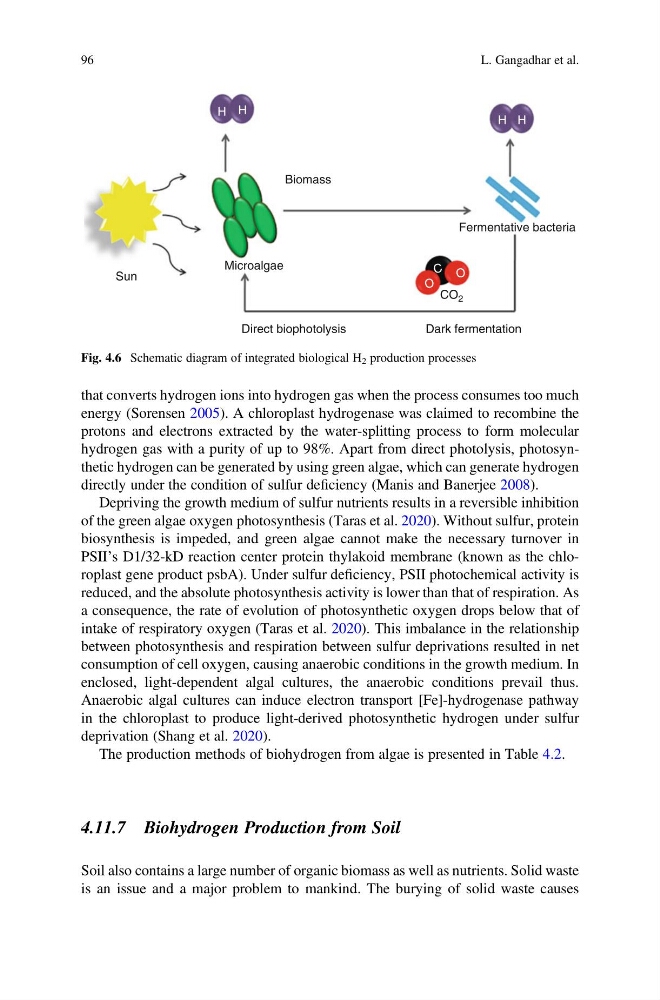
Fig. 4.6 Schematic diagram of integrated biological H 2 production processes
96
L. Gangadhar et al.
energy (Sorensen 2005). A chloroplast hydrogenase was claimed to recombine the
protons and electrons extracted by the water-splitting process to form molecular
hydrogen gas with a purity of up to 98%. Apart from direct photolysis, photosynthetic hydrogen can be generated by using green algae, which can generate hydrogen
directly under the condition of sulfur deficiency (Manis and Banerjee 2008).
Depriving the growth medium of sulfur nutrients results in a reversible inhibition
of the green algae oxygen photosynthesis (Taras et al. 2020). Without sulfur, protein
biosynthesis is impeded, and green algae cannot make the necessary turnover in
PSII’s D1/32-kD reaction center protein thylakoid membrane (known as the chloroplast gene product psbA). Under sulfur deficiency, PSII photochemical activity is
reduced, and the absolute photosynthesis activity is lower than that of respiration. As
a consequence, the rate of evolution of photosynthetic oxygen drops below that of
intake of respiratory oxygen (Taras et al. 2020). This imbalance in the relationship
between photosynthesis and respiration between sulfur deprivations resulted in net
consumption of cell oxygen, causing anaerobic conditions in the growth medium. In
enclosed, light-dependent algal cultures, the anaerobic conditions prevail thus.
Anaerobic algal cultures can induce electron transport [Fe]-hydrogenase pathway
in the chloroplast to produce light-derived photosynthetic hydrogen under sulfur
deprivation (Shang et al. 2020).
The production methods of biohydrogen from algae is presented in Table 4.2.
4.11.7 Biohydrogen Production from Soil
Soil also contains a large number of organic biomass as well as nutrients. Solid waste
is an issue and a major problem to mankind. The burying of solid waste causes
Sun
Microalgae
Direct biophotolysis
Dark fermentation
Biomass
Fermentative bacteria
H
H H
H
CO 2
C
O
O
Fig. 4.6 Schematic diagram of integrated biological H 2 production processes
96
L. Gangadhar et al.