

century due to deficient dry collection, collection of human excreta in the sewers led
to a pollution concentrated in the surface water. The first large WWTP, Achères,
only started operation in 1940, and its size was largely insufficient for a population
that exceeded five million inhabitants in the 1950s (Fig. 9). Less than 20% of human
excreta was treated in this WWTP until the 1960s. Between the 1940s and the 1960s,
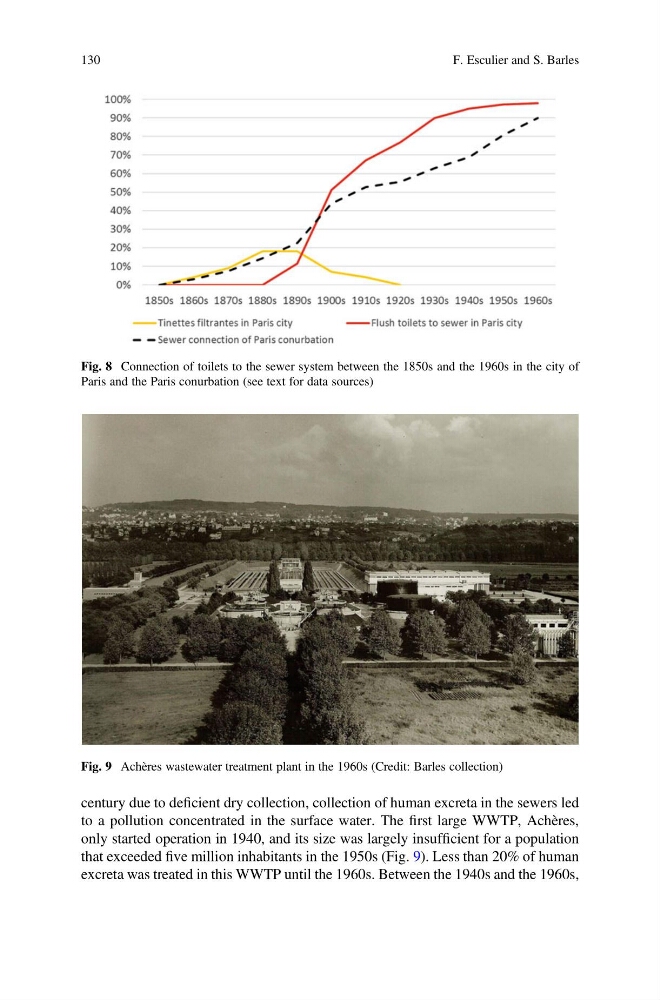
Fig. 8 Connection of toilets to the sewer system between the 1850s and the 1960s in the city of
Paris and the Paris conurbation (see text for data sources)
Fig. 9 Achères wastewater treatment plant in the 1960s (Credit: Barles collection)
130
F. Esculier and S. Barles
to a pollution concentrated in the surface water. The first large WWTP, Achères,
only started operation in 1940, and its size was largely insufficient for a population
that exceeded five million inhabitants in the 1950s (Fig. 9). Less than 20% of human
excreta was treated in this WWTP until the 1960s. Between the 1940s and the 1960s,
Fig. 8 Connection of toilets to the sewer system between the 1850s and the 1960s in the city of
Paris and the Paris conurbation (see text for data sources)
Fig. 9 Achères wastewater treatment plant in the 1960s (Credit: Barles collection)
130
F. Esculier and S. Barles