

5.2 Chemical Inhibition
The chemical inhibition most likely to take parts in promoting toxicity of CNPs
includes the redox chemistry of cerium on the particles or in intracellular cells. The
redox chemistry directly leads to the generation of ROS, which is considered
damaging to cells, proteins, and DNA (Park et al. 2008b; Rogers et al. 2010; von
Moos and Slaveykova 2014; Xu et al. 2018).
5.2.1 ROS Formation on CNPs
The redox properties of CNPs may lead to the reduction of Ce(IV) to Ce(III), which
then directly induce ROS production inside CNPs’ crystal lattice or engage in the
ROS-generating Fenton reactions (Heckert et al. 2008; Huang and Fabris 2007; Li
et al. 2012; Preda et al. 2011; von Moos and Slaveykova 2014). For example, Preda
et al. confirmed that the interaction of O 2 with the V o
ÁÁ at CNPs surface resulted in the
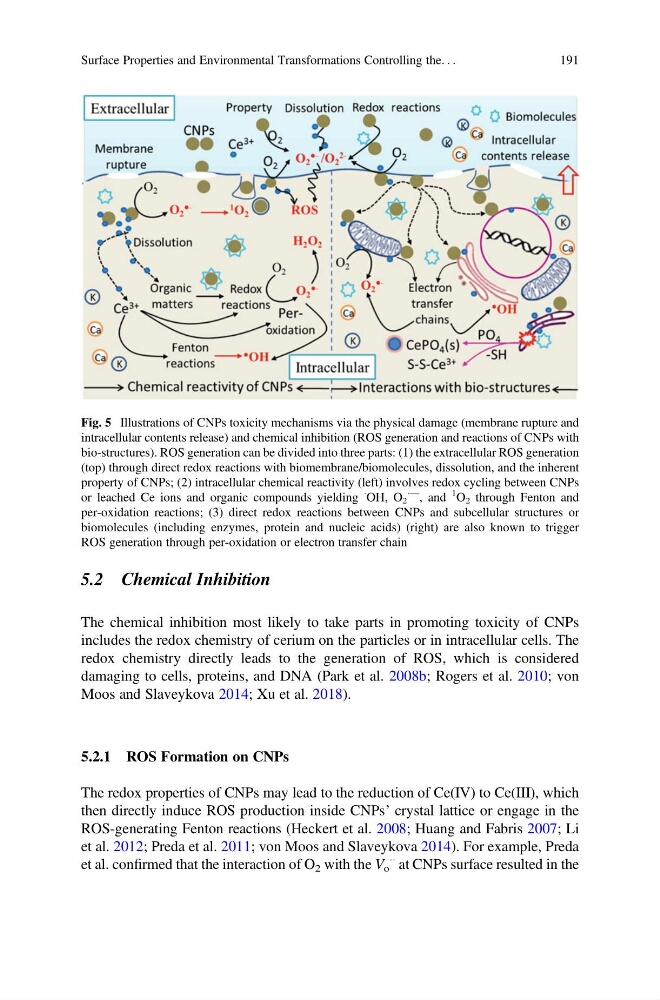
Fig. 5 Illustrations of CNPs toxicity mechanisms via the physical damage (membrane rupture and
intracellular contents release) and chemical inhibition (ROS generation and reactions of CNPs with
bio-structures). ROS generation can be divided into three parts: (1) the extracellular ROS generation
(top) through direct redox reactions with biomembrane/biomolecules, dissolution, and the inherent
property of CNPs; (2) intracellular chemical reactivity (left) involves redox cycling between CNPs
or leached Ce ions and organic compounds yielding
Á
OH, O 2
Á—
, and
1
O 2 through Fenton and
per-oxidation reactions; (3) direct redox reactions between CNPs and subcellular structures or
biomolecules (including enzymes, protein and nucleic acids) (right) are also known to trigger
ROS generation through per-oxidation or electron transfer chain
Surface Properties and Environmental Transformations Controlling the. . .
191
The chemical inhibition most likely to take parts in promoting toxicity of CNPs
includes the redox chemistry of cerium on the particles or in intracellular cells. The
redox chemistry directly leads to the generation of ROS, which is considered
damaging to cells, proteins, and DNA (Park et al. 2008b; Rogers et al. 2010; von
Moos and Slaveykova 2014; Xu et al. 2018).
5.2.1 ROS Formation on CNPs
The redox properties of CNPs may lead to the reduction of Ce(IV) to Ce(III), which
then directly induce ROS production inside CNPs’ crystal lattice or engage in the
ROS-generating Fenton reactions (Heckert et al. 2008; Huang and Fabris 2007; Li
et al. 2012; Preda et al. 2011; von Moos and Slaveykova 2014). For example, Preda
et al. confirmed that the interaction of O 2 with the V o
ÁÁ at CNPs surface resulted in the
Fig. 5 Illustrations of CNPs toxicity mechanisms via the physical damage (membrane rupture and
intracellular contents release) and chemical inhibition (ROS generation and reactions of CNPs with
bio-structures). ROS generation can be divided into three parts: (1) the extracellular ROS generation
(top) through direct redox reactions with biomembrane/biomolecules, dissolution, and the inherent
property of CNPs; (2) intracellular chemical reactivity (left) involves redox cycling between CNPs
or leached Ce ions and organic compounds yielding
Á
OH, O 2
Á—
, and
1
O 2 through Fenton and
per-oxidation reactions; (3) direct redox reactions between CNPs and subcellular structures or
biomolecules (including enzymes, protein and nucleic acids) (right) are also known to trigger
ROS generation through per-oxidation or electron transfer chain
Surface Properties and Environmental Transformations Controlling the. . .
191