

424
The sol–gel method is performed in organic solvents and water, and the precursors
used are usually metal halides and metal alkoxides. As shown in Fig. 16.11, the
precursors undergo a series of hydrolysis and condensation reactions to form sol.
Typical hydrolysis and condensation reactions mechanisms can be as follows:
Hydrolysis reactions (Gupta and Tripathi 2012):
M OR
H O M OH OR
ROH
n
n
( ) +
→ ( )( ) +
2
1
-
(16.1)
M OH OR
H O M OH OR
ROH
n
n
( )( ) +
→ ( ) ( ) +
-
-
1
2
2
2
(16.2)
Polycondensation reactions:
- -
- - - - - -
M OH HO M
M O M H O
+
→
+ 2
(16.3)
- -
- - - - - -
M OR HO M
M O M ROH
+
→
+
(16.4)
in which M is the metal atom.
The formed sol is then transformed into wet gel through subsequent drying,
aging and gelation, and chemical precipitation processes. Sol–gel method provides
well-controlled synthesis route to prepare mixed metal oxides. As an example, to
prepare TiO 2 –MgO mixed oxide via sol–gel process, a given amount of titanium
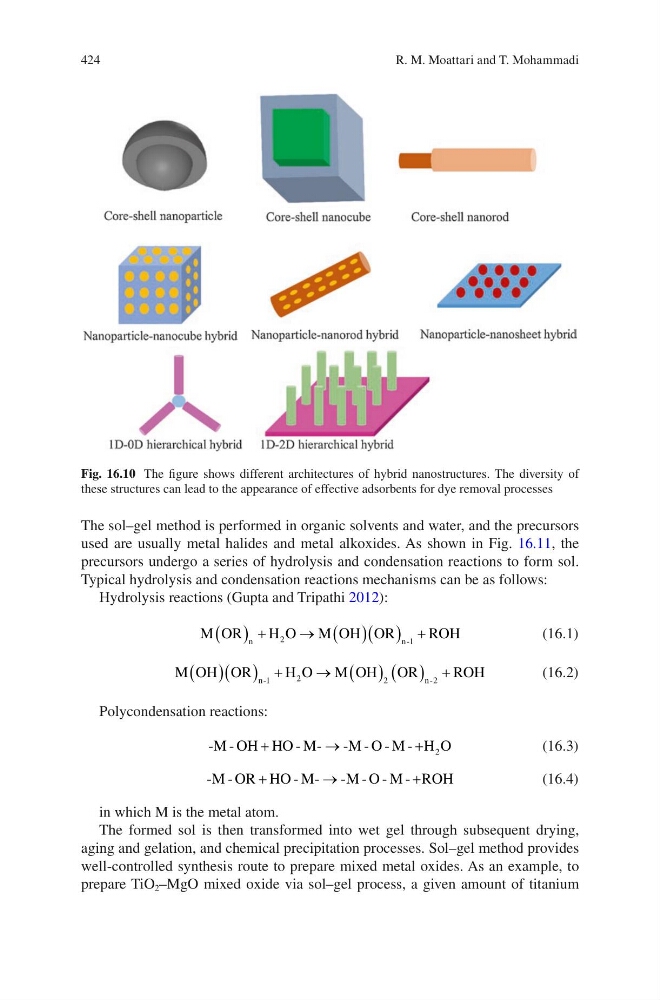
Fig. 16.10 The figure shows different architectures of hybrid nanostructures. The diversity of
these structures can lead to the appearance of effective adsorbents for dye removal processes
R. M. Moattari and T. Mohammadi
The sol–gel method is performed in organic solvents and water, and the precursors
used are usually metal halides and metal alkoxides. As shown in Fig. 16.11, the
precursors undergo a series of hydrolysis and condensation reactions to form sol.
Typical hydrolysis and condensation reactions mechanisms can be as follows:
Hydrolysis reactions (Gupta and Tripathi 2012):
M OR
H O M OH OR
ROH
n
n
( ) +
→ ( )( ) +
2
1
-
(16.1)
M OH OR
H O M OH OR
ROH
n
n
( )( ) +
→ ( ) ( ) +
-
-
1
2
2
2
(16.2)
Polycondensation reactions:
- -
- - - - - -
M OH HO M
M O M H O
+
→
+ 2
(16.3)
- -
- - - - - -
M OR HO M
M O M ROH
+
→
+
(16.4)
in which M is the metal atom.
The formed sol is then transformed into wet gel through subsequent drying,
aging and gelation, and chemical precipitation processes. Sol–gel method provides
well-controlled synthesis route to prepare mixed metal oxides. As an example, to
prepare TiO 2 –MgO mixed oxide via sol–gel process, a given amount of titanium
Fig. 16.10 The figure shows different architectures of hybrid nanostructures. The diversity of
these structures can lead to the appearance of effective adsorbents for dye removal processes
R. M. Moattari and T. Mohammadi