

339
and constant stirring speed and time. It found was that with the increase in initial
concentration of the metallic ions decreases the removal by the waste fruit cortexes.
The phenomenon is because the limited number of active sites on the adsorbents
will be saturated above certain concentration (Al-Qahtani 2016). Therefore, the initial rate of external diffusion decreases as the intraparticles increase (Gode and
Pehlivan 2005). The metallic ions adsorbed by waste fruit cortexes initially go
through the boundary layer to diffuse into the porous structure of the biosorbent.
Hence, a longer contact time will be required (Al-Qahtani 2016).
In an experiment conducted on different initial concentrations of Ni(II) ions,
namely, 10, 25, 50, 75, 100, 125, 150, and 200 mg L
−1
, it was found that lower initial
concentration of ions has better surface mass transfer, hence more rapid uptakes. A
simple, smooth, and continuous time variation curve was obtained for adsorption.
This indicates a monolayer of coverage has formed on the adsorbent surface. The Ni
orange peel system was found to have attained equilibrium in a short period of
14 min (Gönen and Selen 2012). Another study also showed that having a higher
initial Cd
2+
concentration gives a higher driving force for the collision between Cd
2+
ions and active sites on the orange peel (V. K. Gupta and Nayak 2012).
13.4.3 Effect of Bioadsorbent Dosage
As discussed in the mechanism of adsorption, biomass provides the binding sites for
the biosorption of the heavy metals. Therefore, the amount of biosorbent used
becomes a crucial factor in determining the rate of the metal adsorption process.
When the initial concentration of a heavy metal is fixed, increasing the adsorbent
dosage means more surface area and active sites for the biosorption. The amount of
metal ions that is adsorbed per unit adsorbent weight is high at low adsorbent dosage. Hence, when the biosorbent dosage is increased, the adsorption capacity
decreases due to the lowering of the metal ions to binding site ratio as the metal ions
are distributed all throughout the biosorbent surface as more binding sites will be
available for heavy metal ions adsorption (Hossain et al. 2012).
The amount of solid waste fruit cortexes available as biosorbent can influence the
rate of heavy metal removal from the solution. A study to investigate the effect of
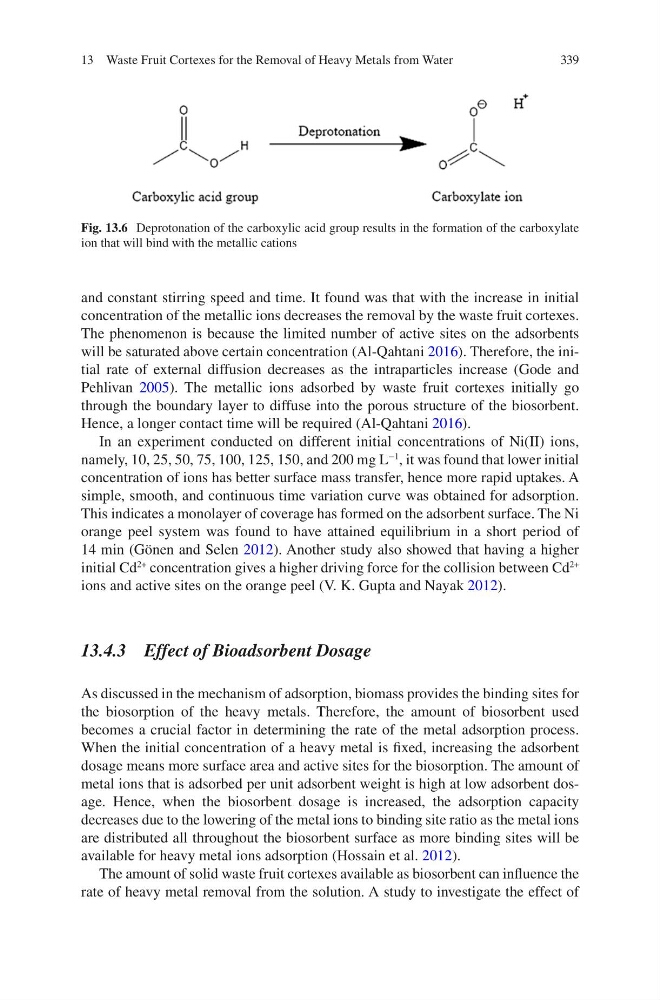
Fig. 13.6 Deprotonation of the carboxylic acid group results in the formation of the carboxylate
ion that will bind with the metallic cations
13 Waste Fruit Cortexes for the Removal of Heavy Metals from Water
and constant stirring speed and time. It found was that with the increase in initial
concentration of the metallic ions decreases the removal by the waste fruit cortexes.
The phenomenon is because the limited number of active sites on the adsorbents
will be saturated above certain concentration (Al-Qahtani 2016). Therefore, the initial rate of external diffusion decreases as the intraparticles increase (Gode and
Pehlivan 2005). The metallic ions adsorbed by waste fruit cortexes initially go
through the boundary layer to diffuse into the porous structure of the biosorbent.
Hence, a longer contact time will be required (Al-Qahtani 2016).
In an experiment conducted on different initial concentrations of Ni(II) ions,
namely, 10, 25, 50, 75, 100, 125, 150, and 200 mg L
−1
, it was found that lower initial
concentration of ions has better surface mass transfer, hence more rapid uptakes. A
simple, smooth, and continuous time variation curve was obtained for adsorption.
This indicates a monolayer of coverage has formed on the adsorbent surface. The Ni
orange peel system was found to have attained equilibrium in a short period of
14 min (Gönen and Selen 2012). Another study also showed that having a higher
initial Cd
2+
concentration gives a higher driving force for the collision between Cd
2+
ions and active sites on the orange peel (V. K. Gupta and Nayak 2012).
13.4.3 Effect of Bioadsorbent Dosage
As discussed in the mechanism of adsorption, biomass provides the binding sites for
the biosorption of the heavy metals. Therefore, the amount of biosorbent used
becomes a crucial factor in determining the rate of the metal adsorption process.
When the initial concentration of a heavy metal is fixed, increasing the adsorbent
dosage means more surface area and active sites for the biosorption. The amount of
metal ions that is adsorbed per unit adsorbent weight is high at low adsorbent dosage. Hence, when the biosorbent dosage is increased, the adsorption capacity
decreases due to the lowering of the metal ions to binding site ratio as the metal ions
are distributed all throughout the biosorbent surface as more binding sites will be
available for heavy metal ions adsorption (Hossain et al. 2012).
The amount of solid waste fruit cortexes available as biosorbent can influence the
rate of heavy metal removal from the solution. A study to investigate the effect of
Fig. 13.6 Deprotonation of the carboxylic acid group results in the formation of the carboxylate
ion that will bind with the metallic cations
13 Waste Fruit Cortexes for the Removal of Heavy Metals from Water