

202
The conventional methods used for decontamination of heavy metals include
chemical (chelation), mechanical (such as ion exchange, reverse osmosis, and
adsorption), and electrochemical (deposition). Each method has its own pros and
cons. Chemical precipitation or chelation requires large number of chemicals which
themselves are not easy to remove from water; it also produces huge quantity of
sludge which itself has negative impact on the environment as well as its disposal
(Sud et al. 2008).
The ion-exchange method although is an outstanding method for decontamination has its limitations as well, for example, ion-exchange rinse can contaminate
easily by the organic particulates and other toxicants in the water as well. Like
chemical method, the ion-exchange method also produces highly concentrated
metal solution which is difficult not only to handle but also to dispose of (Carolin
et al. 2017).
The detail description of some conventional methods (Fig. 8.4) for decontamination of heavy metals is given below:
8.3.1 Chemical Precipitation
In this method, chemical reagents are added, which lead to separation of metals by
precipitation, leaving the clean water on top. This precipitation is achieved by adding salts that coagulates such as iron salts (Akbal and Camcı 2010; Matlock et al.
2002). Gopalratnam found that 80% of heavy metals that include zinc, coper, and
lead and up to 96% of the industrial wastewater that contained oil can be removed
by combined hydroxide precipitation and air filtration (Gopalratnam et al. 1988).
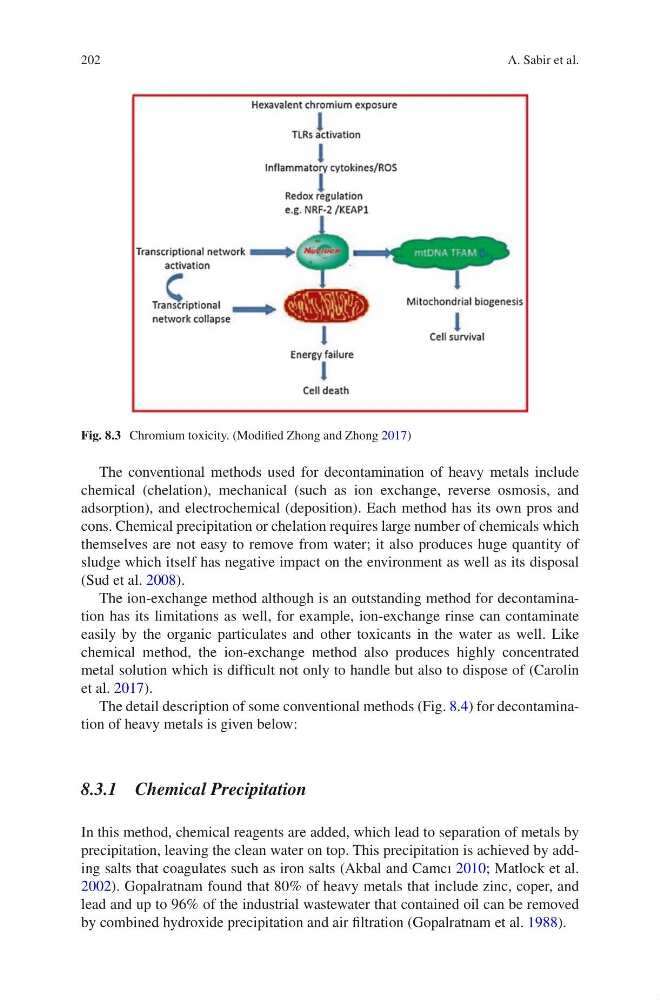
Fig. 8.3 Chromium toxicity. (Modified Zhong and Zhong 2017)
A. Sabir et al.
The conventional methods used for decontamination of heavy metals include
chemical (chelation), mechanical (such as ion exchange, reverse osmosis, and
adsorption), and electrochemical (deposition). Each method has its own pros and
cons. Chemical precipitation or chelation requires large number of chemicals which
themselves are not easy to remove from water; it also produces huge quantity of
sludge which itself has negative impact on the environment as well as its disposal
(Sud et al. 2008).
The ion-exchange method although is an outstanding method for decontamination has its limitations as well, for example, ion-exchange rinse can contaminate
easily by the organic particulates and other toxicants in the water as well. Like
chemical method, the ion-exchange method also produces highly concentrated
metal solution which is difficult not only to handle but also to dispose of (Carolin
et al. 2017).
The detail description of some conventional methods (Fig. 8.4) for decontamination of heavy metals is given below:
8.3.1 Chemical Precipitation
In this method, chemical reagents are added, which lead to separation of metals by
precipitation, leaving the clean water on top. This precipitation is achieved by adding salts that coagulates such as iron salts (Akbal and Camcı 2010; Matlock et al.
2002). Gopalratnam found that 80% of heavy metals that include zinc, coper, and
lead and up to 96% of the industrial wastewater that contained oil can be removed
by combined hydroxide precipitation and air filtration (Gopalratnam et al. 1988).
Fig. 8.3 Chromium toxicity. (Modified Zhong and Zhong 2017)
A. Sabir et al.