

198
liquid–liquid extraction, solvent extraction, ion exchange, ozonation, chemical oxidation, etc. that are employed to remove these toxicants from aqueous media.
Adsorption is thought to be the best one in the field of separation technology, as it
offered significant benefits such as design simplicity, high separation, ease of operation, and proficiencies compared to other techniques. In this regard, diverse adsorbents have been used for the removal of aqueous phase pollutants (Afroze and Sen
2018) (Fig. 8.2).
8.2 Chemistry and Toxicity of Heavy Metals
In human beings, heavy metals can cause severe health issue contingent upon the
nature and amount of the metal ingested. Their toxic effect is associated with complex formation with proteins, where amine (− NH2), carboxylic acids (− COOH),
and thiol (− SH) moieties are utilized. Such kind of metal bindings influences
important protein and enzyme structures. The most hazardous toxic metals that
human beings encounter are cadmium, lead, mercury, aluminum, and arsenic.
Aluminum has been related to senility, presenile dementia, and Alzheimer’s and
Parkinson’s diseases. Arsenic can produce skin lesions, sickness or cancer, and
abdominal problems. Cadmium can harm kidneys and can cause hypertension. Lead
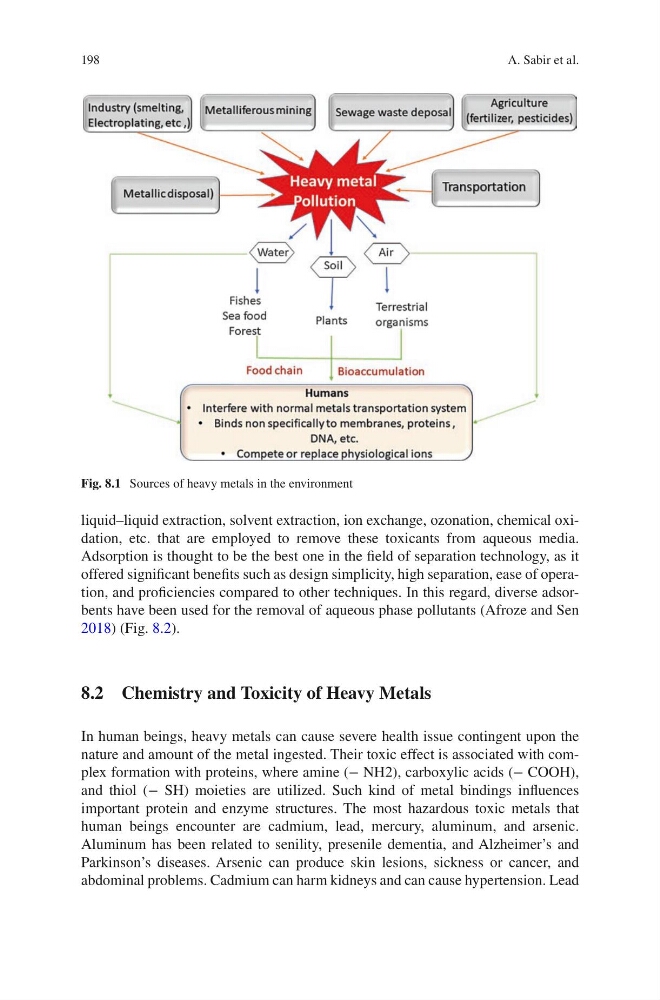
Fig. 8.1 Sources of heavy metals in the environment
A. Sabir et al.
liquid–liquid extraction, solvent extraction, ion exchange, ozonation, chemical oxidation, etc. that are employed to remove these toxicants from aqueous media.
Adsorption is thought to be the best one in the field of separation technology, as it
offered significant benefits such as design simplicity, high separation, ease of operation, and proficiencies compared to other techniques. In this regard, diverse adsorbents have been used for the removal of aqueous phase pollutants (Afroze and Sen
2018) (Fig. 8.2).
8.2 Chemistry and Toxicity of Heavy Metals
In human beings, heavy metals can cause severe health issue contingent upon the
nature and amount of the metal ingested. Their toxic effect is associated with complex formation with proteins, where amine (− NH2), carboxylic acids (− COOH),
and thiol (− SH) moieties are utilized. Such kind of metal bindings influences
important protein and enzyme structures. The most hazardous toxic metals that
human beings encounter are cadmium, lead, mercury, aluminum, and arsenic.
Aluminum has been related to senility, presenile dementia, and Alzheimer’s and
Parkinson’s diseases. Arsenic can produce skin lesions, sickness or cancer, and
abdominal problems. Cadmium can harm kidneys and can cause hypertension. Lead
Fig. 8.1 Sources of heavy metals in the environment
A. Sabir et al.