

127
porous cellulose with polyethyleneimine, and modified material showed appreciable results for Hg (II) removal in acidic condition. The adsorption capacity was
288 mg g
−1
(Navarro et al. 1996). Others (Pyrzynska and Trojanowicz 1999)
observed that the substituted carboxyl groups in modified cellulose improve the ionexchange capacity compared to the unsubstituted one. They also suggested that the
metal ion sorption on cellulose was rapid compared the inorganic collectors, such as
Al 2 O 3 or SiO 2 . Castro et al. modified cellulose with p-aminobenzoic acid and tried
this modified cellulose for treatment of Cu(II), Cd(II), Pb(II), Ni(II), and Zn(II) ions
from an aqueous medium in column mode. p-aminobenzoic groups helped the cellulose to remove almost 100% metal ions. The adsorptive capacities for Cd(II),
Cu(II), Ni(II), Pb(II), and Zn(II) were 1.72 ± 0.02, 1.96 ± 0.02, 1.88 ± 0.04,
2.01 ± 0.03, and 1.93 ± 0.03 mmol g
−1
, respectively (Castro et al. 2004).
Amidoximated wood sawdust and amidoximated wood flour were used for remediation of cadmium, copper, chromium, and nickel ions, and the results were compared with the untreated one (Saliba et al. 2005). Treated adsorbent showed better
performance as expected. Shukla and Pai attempted some cheap cellulose- containing
groundnut shells and sawdust for Cu
+2
, Ni
+2
, and Zn
+2
ions adsorption and recorded
their worthiness. Further, application of C.I. Reactive Orange 13 dye onto these
materials enhanced the adsorption capacity (Shukla and Pai 2005). O’Connell et al.
modified the wood pulp industry wastes by glycidyl methacrylate, imidazole, and
other chemicals and used the modified materials for elimination of nickel and lead.
The reaction for lead was completed within 30–40 min, but it took 350–400 min for
nickel. Langmuir capacity was 71.9 and 45.2 mg g
−1
for Pb(II) and Ni(II)
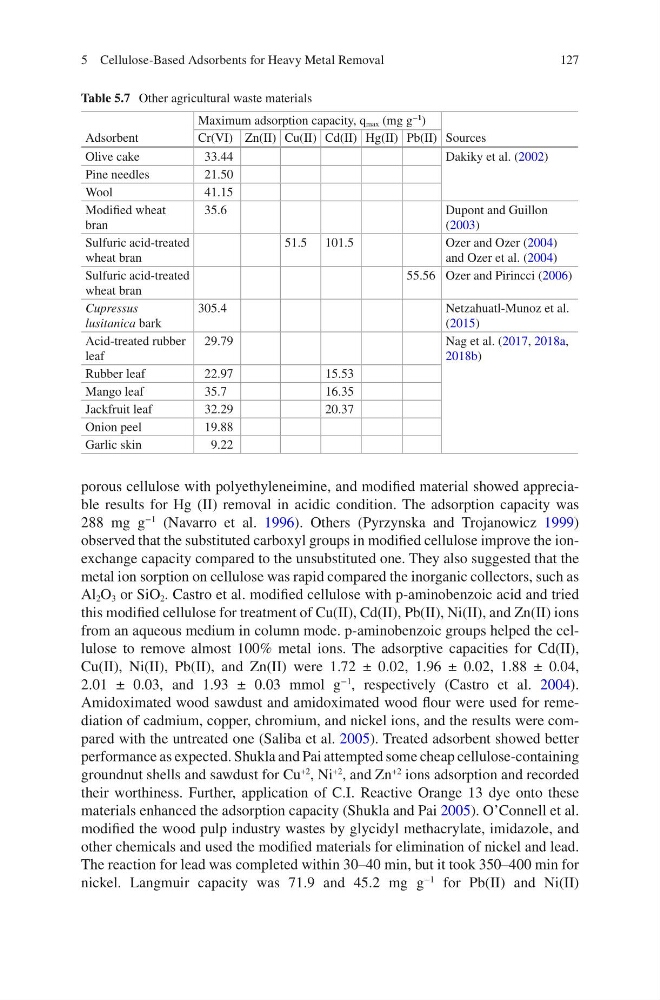
Table 5.7 Other agricultural waste materials
Adsorbent
Maximum adsorption capacity, q max (mg g
−1
)
Sources
Cr(VI) Zn(II) Cu(II) Cd(II) Hg(II) Pb(II)
Olive cake
33.44
Dakiky et al. (2002)
Pine needles
21.50
Wool
41.15
Modified wheat
bran
35.6
Dupont and Guillon
(2003)
Sulfuric acid-treated
wheat bran
51.5 101.5
Ozer and Ozer (2004)
and Ozer et al. (2004)
Sulfuric acid-treated
wheat bran
55.56 Ozer and Pirincci (2006)
Cupressus
lusitanica bark
305.4
Netzahuatl-Munoz et al.
(2015)
Acid-treated rubber
leaf
29.79
Nag et al. (2017, 2018a,
2018b)
Rubber leaf
22.97
15.53
Mango leaf
35.7
16.35
Jackfruit leaf
32.29
20.37
Onion peel
19.88
Garlic skin
9.22
5 Cellulose-Based Adsorbents for Heavy Metal Removal
porous cellulose with polyethyleneimine, and modified material showed appreciable results for Hg (II) removal in acidic condition. The adsorption capacity was
288 mg g
−1
(Navarro et al. 1996). Others (Pyrzynska and Trojanowicz 1999)
observed that the substituted carboxyl groups in modified cellulose improve the ionexchange capacity compared to the unsubstituted one. They also suggested that the
metal ion sorption on cellulose was rapid compared the inorganic collectors, such as
Al 2 O 3 or SiO 2 . Castro et al. modified cellulose with p-aminobenzoic acid and tried
this modified cellulose for treatment of Cu(II), Cd(II), Pb(II), Ni(II), and Zn(II) ions
from an aqueous medium in column mode. p-aminobenzoic groups helped the cellulose to remove almost 100% metal ions. The adsorptive capacities for Cd(II),
Cu(II), Ni(II), Pb(II), and Zn(II) were 1.72 ± 0.02, 1.96 ± 0.02, 1.88 ± 0.04,
2.01 ± 0.03, and 1.93 ± 0.03 mmol g
−1
, respectively (Castro et al. 2004).
Amidoximated wood sawdust and amidoximated wood flour were used for remediation of cadmium, copper, chromium, and nickel ions, and the results were compared with the untreated one (Saliba et al. 2005). Treated adsorbent showed better
performance as expected. Shukla and Pai attempted some cheap cellulose- containing
groundnut shells and sawdust for Cu
+2
, Ni
+2
, and Zn
+2
ions adsorption and recorded
their worthiness. Further, application of C.I. Reactive Orange 13 dye onto these
materials enhanced the adsorption capacity (Shukla and Pai 2005). O’Connell et al.
modified the wood pulp industry wastes by glycidyl methacrylate, imidazole, and
other chemicals and used the modified materials for elimination of nickel and lead.
The reaction for lead was completed within 30–40 min, but it took 350–400 min for
nickel. Langmuir capacity was 71.9 and 45.2 mg g
−1
for Pb(II) and Ni(II)
Table 5.7 Other agricultural waste materials
Adsorbent
Maximum adsorption capacity, q max (mg g
−1
)
Sources
Cr(VI) Zn(II) Cu(II) Cd(II) Hg(II) Pb(II)
Olive cake
33.44
Dakiky et al. (2002)
Pine needles
21.50
Wool
41.15
Modified wheat
bran
35.6
Dupont and Guillon
(2003)
Sulfuric acid-treated
wheat bran
51.5 101.5
Ozer and Ozer (2004)
and Ozer et al. (2004)
Sulfuric acid-treated
wheat bran
55.56 Ozer and Pirincci (2006)
Cupressus
lusitanica bark
305.4
Netzahuatl-Munoz et al.
(2015)
Acid-treated rubber
leaf
29.79
Nag et al. (2017, 2018a,
2018b)
Rubber leaf
22.97
15.53
Mango leaf
35.7
16.35
Jackfruit leaf
32.29
20.37
Onion peel
19.88
Garlic skin
9.22
5 Cellulose-Based Adsorbents for Heavy Metal Removal