

… the pranata mangsa is still used in the neighboring river basin (Serang and Progo) of Kulonprogo Regency as the Regent’s Regulation
No. 29/2016 (Dirgantara, BPDAS SOP).
In this regard, it functions as the cropping
pattern for the farmers, and the regent, with the
legitimacy for the municipal level, determines it
annually.
The second process is symbolization, which is
a standard feature of how cultural values, teachings, or philosophies manifest in daily life. The
symbols can be in the form of artifacts, which
remind people about the existence of these
philosophies, or in the form of activities. The
philosophies and cultural values are grouped into
one as they always stem from the worldview.
However, the symbolization of these philosophies and values take the forms of myth, artifacts, resource management practices, and fivesenses wisdom. An example by a Kraton representative, Prince Wiro, explained the symbolization of the philosophy of Manunggaling
kawula Gusti or human-nature relationship in the
Tugu Monument on the unity between citizens
and their leader (the Sultan). The monument also
signifies the MTKKS (Mt. Merapi-Tugu (the
landmark)-Kraton (the Sultan’s Palace)-Krapyak
(the stage) -South Java Sea) philosophical axis.
This symbolization is a non-linear process. As
seen from the patterns from each sub-case, this
process is continually connecting with different
forms of CEK.
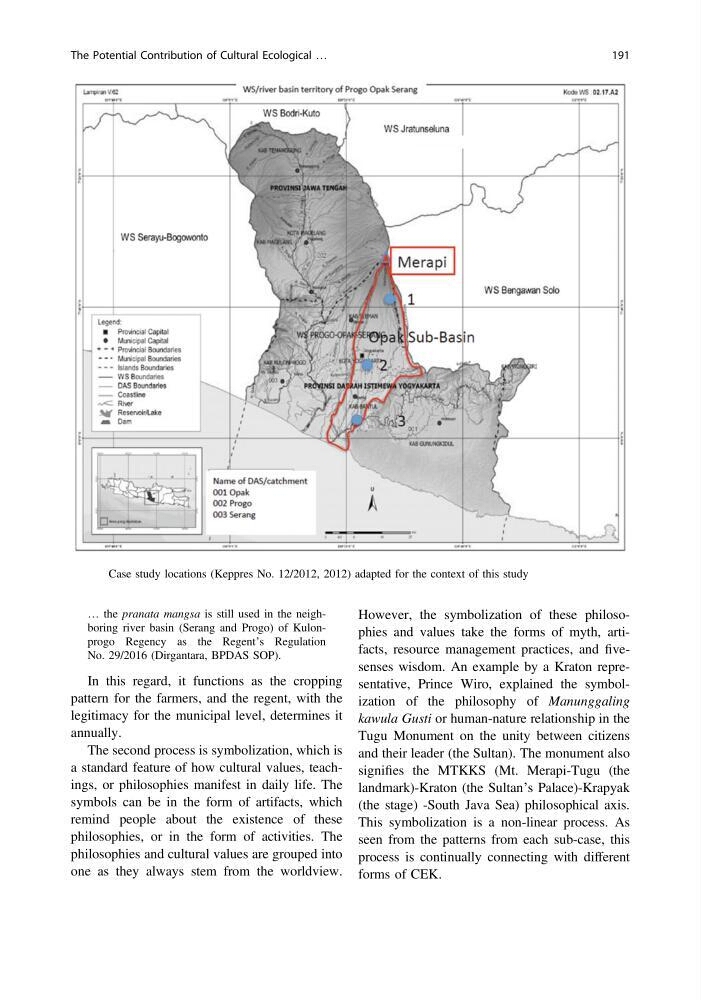
Fig. 2 Case study locations (Keppres No. 12/2012, 2012) adapted for the context of this study
The Potential Contribution of Cultural Ecological …
191
No. 29/2016 (Dirgantara, BPDAS SOP).
In this regard, it functions as the cropping
pattern for the farmers, and the regent, with the
legitimacy for the municipal level, determines it
annually.
The second process is symbolization, which is
a standard feature of how cultural values, teachings, or philosophies manifest in daily life. The
symbols can be in the form of artifacts, which
remind people about the existence of these
philosophies, or in the form of activities. The
philosophies and cultural values are grouped into
one as they always stem from the worldview.
However, the symbolization of these philosophies and values take the forms of myth, artifacts, resource management practices, and fivesenses wisdom. An example by a Kraton representative, Prince Wiro, explained the symbolization of the philosophy of Manunggaling
kawula Gusti or human-nature relationship in the
Tugu Monument on the unity between citizens
and their leader (the Sultan). The monument also
signifies the MTKKS (Mt. Merapi-Tugu (the
landmark)-Kraton (the Sultan’s Palace)-Krapyak
(the stage) -South Java Sea) philosophical axis.
This symbolization is a non-linear process. As
seen from the patterns from each sub-case, this
process is continually connecting with different
forms of CEK.
Fig. 2 Case study locations (Keppres No. 12/2012, 2012) adapted for the context of this study
The Potential Contribution of Cultural Ecological …
191