

system concept (Folke 2006) as the departure
point of CEK. Within the current research, the
nexus for a volcanic river basin management was
defined as the interconnectedness of the water–
lahar–volcano, located in each of the dimensions
of IWRM and lahar management explained
above. For the spatial dimension, the basin connects to the volcano in the upstream part of the
river, the urban area in the midstream, and the
sea downstream (Zalewski 2013; Manga 1997).
The basin also has temporal dimensions of the
cycle of underground–surface water, where the
volcano acts as a groundwater reservoir (Delcamp et al. 2016) and the cycle of volcano
activities (Newhall et al. 2000). The basin also
has specific natural dimensions, including the
disturbance of the discharge in rivers during and
after the eruption (Iles and Hegerl 2015), the
rain-triggered lahar flow in the rivers (Rodolfo
1991; Leung et al. 2003), and the temperature
and chemical change in water quality during
volcanic activities (Ohsawa et al. 2010). Another
complicating factor is that these interrelated
dimensions are managed by different organizations. By better understanding the CEK, the
underlying factors of water management practices can be improved, especially since the CEK
describes the human-nature dynamics of a
holistic system. The results can be used as a
reference for other researches embarking on
similar inquiries and the applications of integrated resources management approaches.
3 Methodology
This research used the Opak sub-basin, Mt.
Merapi, case study as a research strategy. This
volcano is a regular “cougher,” with an eruption
cycle of once every four years. However, the
2010 eruption was the result of a 100-year cycle
(Jousset et al. 2012). Thus, the 2010 eruption
produced more lahar due to the 160 million m
3 of
volcanic materials (Newhall et al. 2000). The
location is also the cultural capital of the Javanese, with the Yogyakarta Kingdom as a Special
Region under the Republic of Indonesia. This
condition would mean a higher possibility of
survival of both tangible and intangible cultural
heritage (CEK).
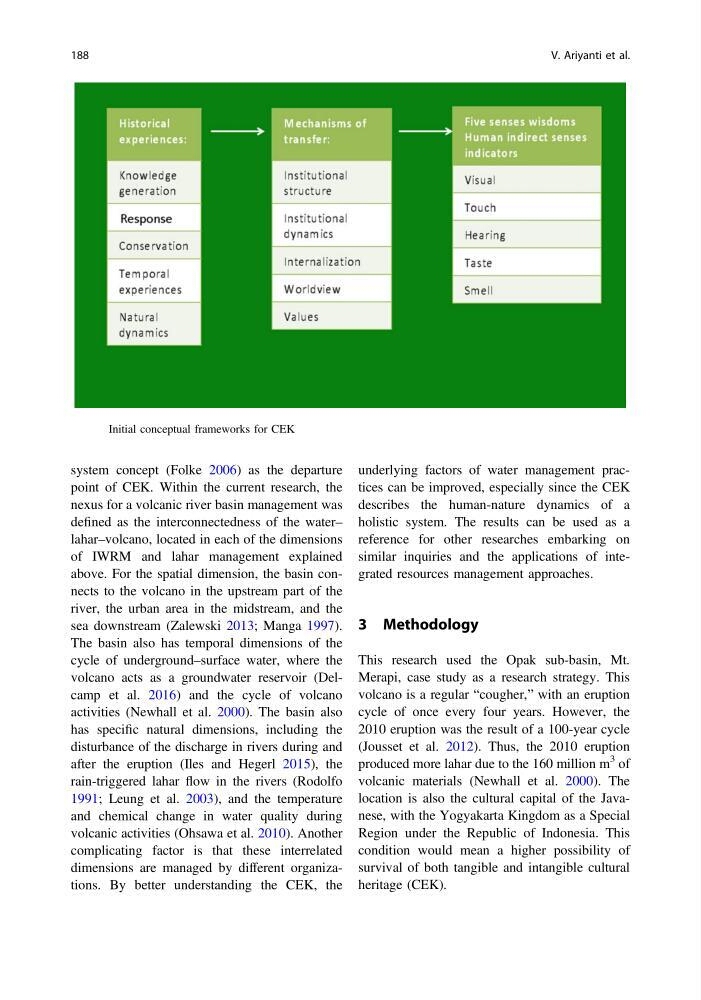
Fig. 1 Initial conceptual frameworks for CEK
188
V. Ariyanti et al.
point of CEK. Within the current research, the
nexus for a volcanic river basin management was
defined as the interconnectedness of the water–
lahar–volcano, located in each of the dimensions
of IWRM and lahar management explained
above. For the spatial dimension, the basin connects to the volcano in the upstream part of the
river, the urban area in the midstream, and the
sea downstream (Zalewski 2013; Manga 1997).
The basin also has temporal dimensions of the
cycle of underground–surface water, where the
volcano acts as a groundwater reservoir (Delcamp et al. 2016) and the cycle of volcano
activities (Newhall et al. 2000). The basin also
has specific natural dimensions, including the
disturbance of the discharge in rivers during and
after the eruption (Iles and Hegerl 2015), the
rain-triggered lahar flow in the rivers (Rodolfo
1991; Leung et al. 2003), and the temperature
and chemical change in water quality during
volcanic activities (Ohsawa et al. 2010). Another
complicating factor is that these interrelated
dimensions are managed by different organizations. By better understanding the CEK, the
underlying factors of water management practices can be improved, especially since the CEK
describes the human-nature dynamics of a
holistic system. The results can be used as a
reference for other researches embarking on
similar inquiries and the applications of integrated resources management approaches.
3 Methodology
This research used the Opak sub-basin, Mt.
Merapi, case study as a research strategy. This
volcano is a regular “cougher,” with an eruption
cycle of once every four years. However, the
2010 eruption was the result of a 100-year cycle
(Jousset et al. 2012). Thus, the 2010 eruption
produced more lahar due to the 160 million m
3 of
volcanic materials (Newhall et al. 2000). The
location is also the cultural capital of the Javanese, with the Yogyakarta Kingdom as a Special
Region under the Republic of Indonesia. This
condition would mean a higher possibility of
survival of both tangible and intangible cultural
heritage (CEK).
Fig. 1 Initial conceptual frameworks for CEK
188
V. Ariyanti et al.