

2011, the Minister of Agriculture announced the
reduction of the irrigation pumping tariff to 80
rials/kWh for the normal tariff (Khalilian 2011).
Furthermore, if farmers only pumped water in nonpeak hours, they were charged just 40 rials/kWh,
five times less than the newly reformed urban and
industrial electricity tariff. Table 7 shows the electricity tariffs for normal, off-peak, and peak hours for
different types of uses before and after the implementation of the subsidy reform. We see that price
increases in agriculture did not reach the levels of
domestic and industrial use despite the initial plan of
the government to equalize electricity prices among
consumers.
It is evident from this four-month process (end
of 2010 up to spring 2011) that the real effects of
the price/subsidy reform have been largely eradicated by the amendments to the original plan. In
contrast to agriculture, the plan was successfully
implemented for domestic and industrial users.
Considering Iran’s high inflation rate and the fact
that the nominal tariff of electricity in agriculture
has changed slightly, we can say that the policy
was unsuccessful for energy consumption for
irrigation. Additionally, the real price/tariff of
electricity actually reduced as the tariff increase
after 2011 was much less than the inflation rate in
the country during the same period (see Table 2
for annual inflation rates). The electrification of
the groundwater pumps has still been going on
and, as a result, the number of wells and the
energy consumption in agriculture has increased.
3.4 The Subsidy Reform Effects
on Rural Life
Iranian economic studies have anticipated hard
times for the country’s agricultural sector.
However, of the few studies that were conducted
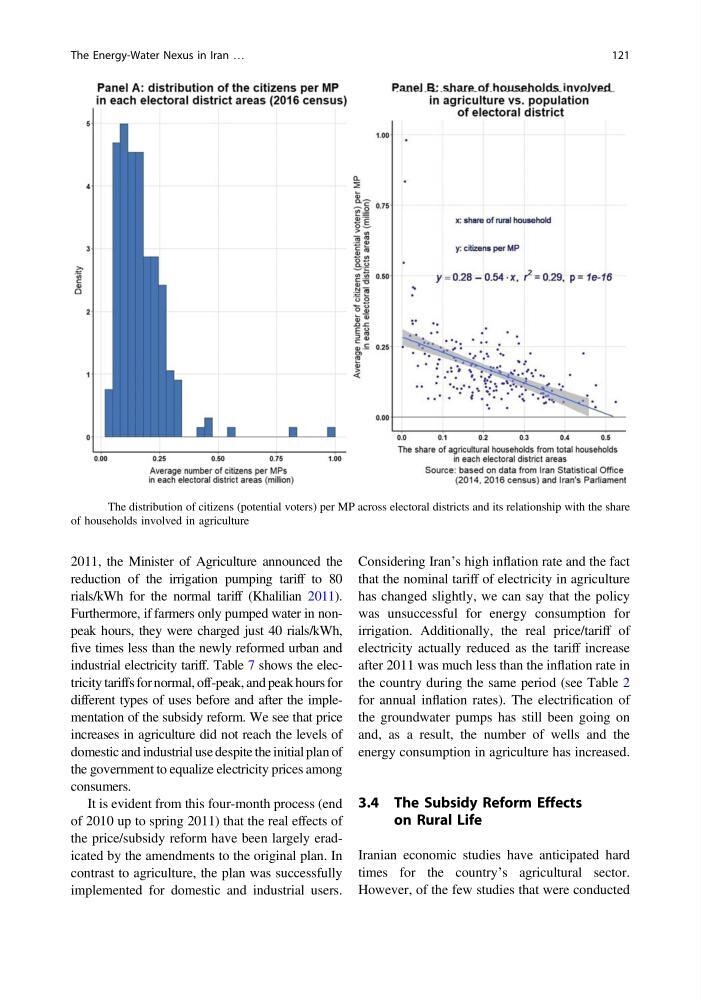
Fig. 3 The distribution of citizens (potential voters) per MP across electoral districts and its relationship with the share
of households involved in agriculture
The Energy-Water Nexus in Iran …
121
reduction of the irrigation pumping tariff to 80
rials/kWh for the normal tariff (Khalilian 2011).
Furthermore, if farmers only pumped water in nonpeak hours, they were charged just 40 rials/kWh,
five times less than the newly reformed urban and
industrial electricity tariff. Table 7 shows the electricity tariffs for normal, off-peak, and peak hours for
different types of uses before and after the implementation of the subsidy reform. We see that price
increases in agriculture did not reach the levels of
domestic and industrial use despite the initial plan of
the government to equalize electricity prices among
consumers.
It is evident from this four-month process (end
of 2010 up to spring 2011) that the real effects of
the price/subsidy reform have been largely eradicated by the amendments to the original plan. In
contrast to agriculture, the plan was successfully
implemented for domestic and industrial users.
Considering Iran’s high inflation rate and the fact
that the nominal tariff of electricity in agriculture
has changed slightly, we can say that the policy
was unsuccessful for energy consumption for
irrigation. Additionally, the real price/tariff of
electricity actually reduced as the tariff increase
after 2011 was much less than the inflation rate in
the country during the same period (see Table 2
for annual inflation rates). The electrification of
the groundwater pumps has still been going on
and, as a result, the number of wells and the
energy consumption in agriculture has increased.
3.4 The Subsidy Reform Effects
on Rural Life
Iranian economic studies have anticipated hard
times for the country’s agricultural sector.
However, of the few studies that were conducted
Fig. 3 The distribution of citizens (potential voters) per MP across electoral districts and its relationship with the share
of households involved in agriculture
The Energy-Water Nexus in Iran …
121