

85
in practice. The dumping of the radiotoxic metals and heavy metals hydroxide
nearby tailing ponds causes a severe impact to the environment. The UCIL and DAE
have tried their best to keep the area free from the radiotoxicity; however, the local
residents and some NGOs have from time to time raised their voice against the mining activities in the region. The most of the local populations are tribal, and they are
often living in doubt for any unusual death (Physorg 2011). In the year 1998, several
cases either miscarriages or stillborn babies came in light due to nuclear radiation
nearby 5 km radius of a tailing pond (Frontline 1999). Looking at the seriousness of
the matter, a committee of the Bhabha Atomic Research Centre (BARC) visited the
area in November 1998 at the request of the State Government. The committee
examined the whole matter and reported that the concerned cases have no relation
to radiation exposure. The genetic abnormalities, chronic malarial infection, malnutrition, head injury sequelae and post encephalitis were the reasons for the death of
local tribal people. At that time, the matter was resolved but could not give permanent remedy ever. For instance, in December 2006, due the pipe carrying radiotoxic
waste to tailing ponds was burst and thousands of litres spilled into a nearby tributary to Subarnarekha River for approximately 9 h (Times of India 2015). Several of
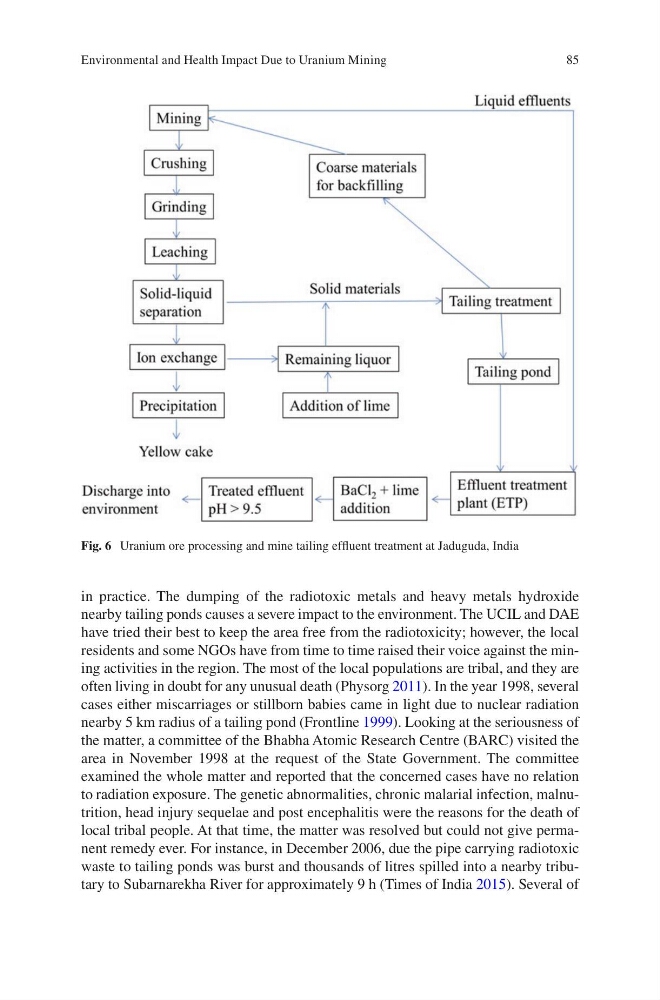
Fig. 6 Uranium ore processing and mine tailing effluent treatment at Jaduguda, India
Environmental and Health Impact Due to Uranium Mining
in practice. The dumping of the radiotoxic metals and heavy metals hydroxide
nearby tailing ponds causes a severe impact to the environment. The UCIL and DAE
have tried their best to keep the area free from the radiotoxicity; however, the local
residents and some NGOs have from time to time raised their voice against the mining activities in the region. The most of the local populations are tribal, and they are
often living in doubt for any unusual death (Physorg 2011). In the year 1998, several
cases either miscarriages or stillborn babies came in light due to nuclear radiation
nearby 5 km radius of a tailing pond (Frontline 1999). Looking at the seriousness of
the matter, a committee of the Bhabha Atomic Research Centre (BARC) visited the
area in November 1998 at the request of the State Government. The committee
examined the whole matter and reported that the concerned cases have no relation
to radiation exposure. The genetic abnormalities, chronic malarial infection, malnutrition, head injury sequelae and post encephalitis were the reasons for the death of
local tribal people. At that time, the matter was resolved but could not give permanent remedy ever. For instance, in December 2006, due the pipe carrying radiotoxic
waste to tailing ponds was burst and thousands of litres spilled into a nearby tributary to Subarnarekha River for approximately 9 h (Times of India 2015). Several of
Fig. 6 Uranium ore processing and mine tailing effluent treatment at Jaduguda, India
Environmental and Health Impact Due to Uranium Mining