

75
and air contamination of the toxic and radioactive dust particulates; the lixiviant
once mixed to the underground water can be more serious and would require a long
expensive process to restore the aquifer.
2.4 Milling Process
The uranium ore is mined by the OP or UG means of mining; it is subjected to process into a usable form, namely, the ‘yellow cake’. This process is commonly termed
as ‘milling’. In which, the ore is crushed and infused with a lixiviant (commonly
used sulfuric acid or carbonate solution) that requires large quantities of water. The
leach liquor is further undergoing separation and purification steps to recover the
uranium in its usable form, and residue goes to tailing as waste to be stored in tailing
ponds. Notably, the solid waste residues like rocks, fine sands, etc. coming out from
mining activities are known as tailing materials. While the waste rocks are used as
a backfill material to fill the voids of excavation, on the other hand, mined water is
further reused in ore processing plants after clarification (Sarangi and Kundu 2004).
The safe handling and disposal of this waste material are one of the biggest concerns for the researchers, as they contain the radioactive materials that can pose a
serious threat of contamination and long-term risks to the geo-environment.
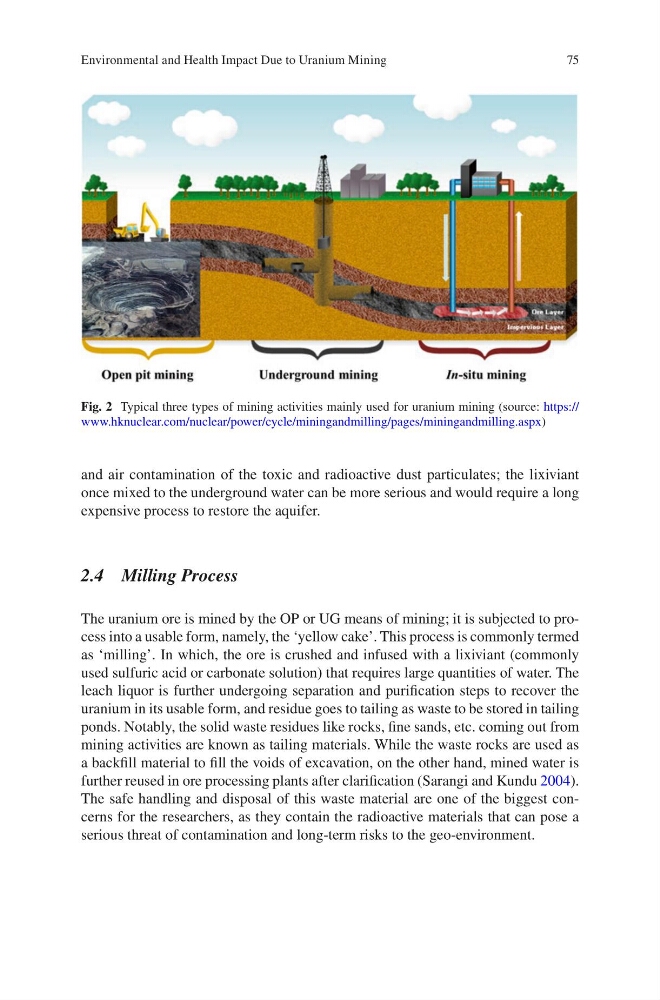
Fig. 2 Typical three types of mining activities mainly used for uranium mining (source: https://
www.hknuclear.com/nuclear/power/cycle/miningandmilling/pages/miningandmilling.aspx)
Environmental and Health Impact Due to Uranium Mining
and air contamination of the toxic and radioactive dust particulates; the lixiviant
once mixed to the underground water can be more serious and would require a long
expensive process to restore the aquifer.
2.4 Milling Process
The uranium ore is mined by the OP or UG means of mining; it is subjected to process into a usable form, namely, the ‘yellow cake’. This process is commonly termed
as ‘milling’. In which, the ore is crushed and infused with a lixiviant (commonly
used sulfuric acid or carbonate solution) that requires large quantities of water. The
leach liquor is further undergoing separation and purification steps to recover the
uranium in its usable form, and residue goes to tailing as waste to be stored in tailing
ponds. Notably, the solid waste residues like rocks, fine sands, etc. coming out from
mining activities are known as tailing materials. While the waste rocks are used as
a backfill material to fill the voids of excavation, on the other hand, mined water is
further reused in ore processing plants after clarification (Sarangi and Kundu 2004).
The safe handling and disposal of this waste material are one of the biggest concerns for the researchers, as they contain the radioactive materials that can pose a
serious threat of contamination and long-term risks to the geo-environment.
Fig. 2 Typical three types of mining activities mainly used for uranium mining (source: https://
www.hknuclear.com/nuclear/power/cycle/miningandmilling/pages/miningandmilling.aspx)
Environmental and Health Impact Due to Uranium Mining