

210
guideline concentrations of 15 μg L
−1
for long-term exposure and 33 μg L
−1
for
short-term exposure (CCME 2011). These values were based on distributions of
LC 50 values for ten or more species, taking the fifth percentile of the fitted distribution of these values. Similarly, soil quality guidelines for soil contact (SQG SC values) are available for Canada (CCME 2007). These are based on toxicological data
for vascular plants and soil invertebrates. A total of 7 studies were selected as
acceptable for use, including 15 plant species and 4 invertebrate species. From these
studies, a total of 82 acceptable no observable effect concentrations (NOECs), lowest observable effect concentrations (LOECs) and EC 20 values were used. EC 20 is
the effective concentration at which 20% of the exposed population is affected. The
25th percentile of the data distribution was calculated to be 500 mg kg
−1
and the
50th percentile was 2000 mg kg
−1
. These then became the environmental soil quality guidelines (SQG E values) for residential/parkland land use and for commercial
and industrial land uses, respectively.
Similarly, the Dutch have defined EQS values for uranium in waters. These values are based on a detailed review and interpretation of the primary literature and
consider chemical toxicity only (Van Herwijnen and Verbruggen 2014).
In Australia, a site-specific trigger value for uranium was derived using the
framework described in the Australian Water Quality Guidelines and based on ecotoxicological tests using five local test species from four trophic levels (Hogan et al.
2003; Riethmuller et al. 2003).
Within the EU, the implementation of the Water Framework Directive asks for
the derivation by member states of environmental protection criteria such as environmental quality standards to allow assessments of the chemical and ecological
status of water bodies that should reach a good status from 2015. The transposition
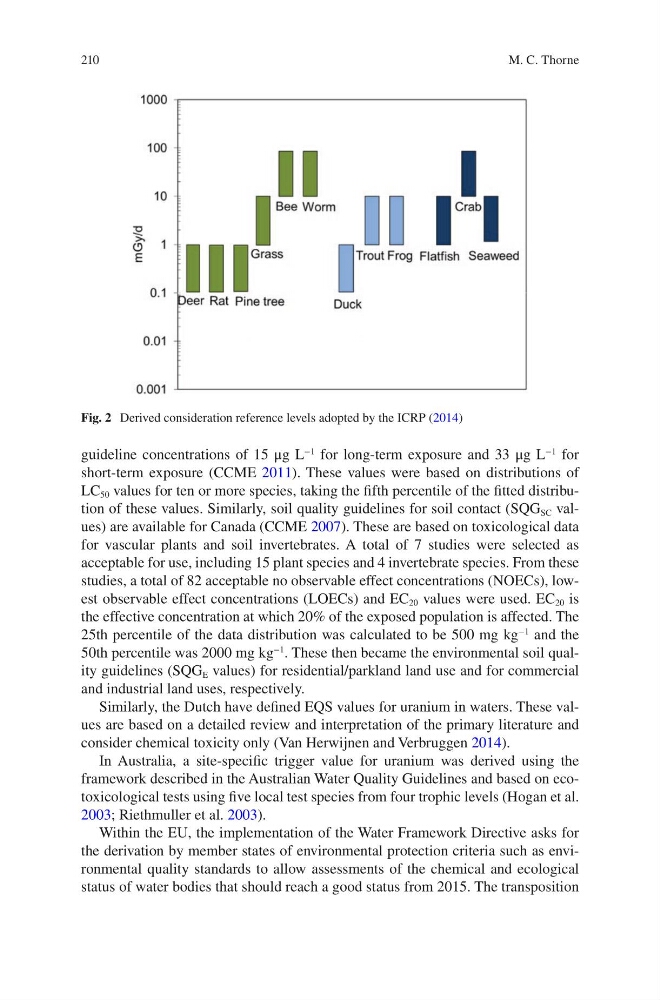
Fig. 2 Derived consideration reference levels adopted by the ICRP (2014)
M. C. Thorne
guideline concentrations of 15 μg L
−1
for long-term exposure and 33 μg L
−1
for
short-term exposure (CCME 2011). These values were based on distributions of
LC 50 values for ten or more species, taking the fifth percentile of the fitted distribution of these values. Similarly, soil quality guidelines for soil contact (SQG SC values) are available for Canada (CCME 2007). These are based on toxicological data
for vascular plants and soil invertebrates. A total of 7 studies were selected as
acceptable for use, including 15 plant species and 4 invertebrate species. From these
studies, a total of 82 acceptable no observable effect concentrations (NOECs), lowest observable effect concentrations (LOECs) and EC 20 values were used. EC 20 is
the effective concentration at which 20% of the exposed population is affected. The
25th percentile of the data distribution was calculated to be 500 mg kg
−1
and the
50th percentile was 2000 mg kg
−1
. These then became the environmental soil quality guidelines (SQG E values) for residential/parkland land use and for commercial
and industrial land uses, respectively.
Similarly, the Dutch have defined EQS values for uranium in waters. These values are based on a detailed review and interpretation of the primary literature and
consider chemical toxicity only (Van Herwijnen and Verbruggen 2014).
In Australia, a site-specific trigger value for uranium was derived using the
framework described in the Australian Water Quality Guidelines and based on ecotoxicological tests using five local test species from four trophic levels (Hogan et al.
2003; Riethmuller et al. 2003).
Within the EU, the implementation of the Water Framework Directive asks for
the derivation by member states of environmental protection criteria such as environmental quality standards to allow assessments of the chemical and ecological
status of water bodies that should reach a good status from 2015. The transposition
Fig. 2 Derived consideration reference levels adopted by the ICRP (2014)
M. C. Thorne