

the fitting room look incommodious and narrow. Some
fluorescent lights do not improve the color, which cause
customer moods to change from excitement to disinterest
when trying on clothes (Verywell Mind 2018). Bad overhead lighting could cause customers to lose their focus on
their clothes because of the lighting physique; on the other
hand, strait overhead lighting and frontal lighting does not
allow facial shadows on the customer. Frontal lighting also
reduces the appearance of bags and circles under the eyes
and makes the skin appear clearer (Kinetics 2015). During
the study by Baumstarck and Park (2010) on investigating
the effect of dressing room lighting direction on customer
perception of self and environment, she found that customers
who try on clothes in fitting rooms with an overhead lighting
tend to have a negative experience, while those who try
clothes in fitting rooms with frontal lighting tend to have a
positive experience. Frontal lights are normally placed on
the sides of the fitting room, mounted by wall cones, for
example, (track mounted fixtures and strip fixtures), while
overhead lights are normally placed in the ceiling. However,
combining both the frontal and the overhead lights will
create the best fitting room experience that allows the customer to have a more complete overview of the clothes and
their appearance. Another type of lighting can be used is the
LED light. They have a good CRI, which improves color
and saves energy. Warm lighting is used in fitting rooms
which gives the impression of skin with a healthy brown
tone that will make the customer look better and increase the
sales rate because customers need to see what they are
buying (Robinson 2016).
4 Lighting Requirements and Research
Experiment
Different types of light can be used in shops depending on
the function of use, see Figs. 5, 6, 7, and 8 (Light promotes
sales Lighting for the retail sector 2018)
4.1 Data Collection
A luminance meter (light meter) was used in the study to
measure the light levels in three different dressing rooms. By
using this instrument, three measurements for lights in each
dressing room were taken from a height of one meter above
the floor, then working out the average of those readings for
use in simulation. A laser meter was also used to measure the
dimensions of the dressing rooms, which will help us to
draw the correct size of the rooms and accordingly achieve a
proper simulation for the study. The readings helped in
arranging three case scenarios; “best,” “worst,” and
“average,” in order to reach the best and most comfortable
condition for the customer. Table 1 shows the measurements
and average of each store’s dressing room.
4.2 Direct and Indirect Variables
Two variables in this research have been set: the independent
value, which is the luminous values (lux), and the dependent
variables, which is the emotion and behavior of the customer, i.e., check whether or not they feel satisfied and
comfortable in the fitting room.
4.3 Data Analysis
Based on the data collected from the three stores and the
survey conducted of the customers visiting the stores, the
average illuminance in the three cases are described as:
Matalan is a case with a high average of illuminance, Mango
is a case with a medium average of illuminance, while Zara
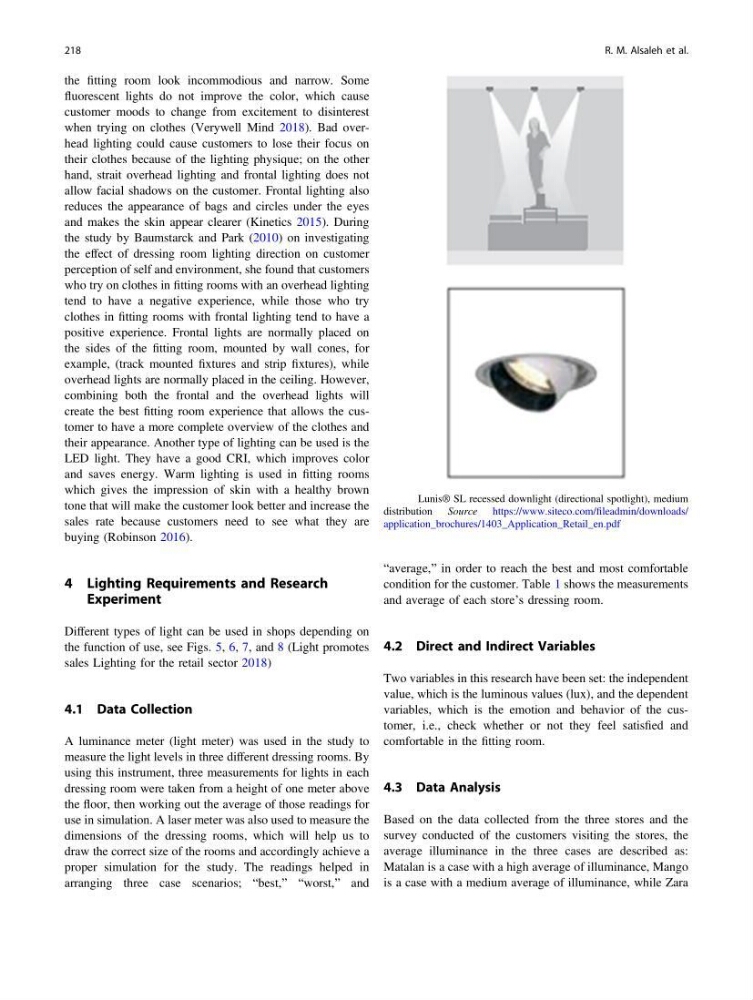
Fig. 5 Lunis® SL recessed downlight (directional spotlight), medium
distribution Source https://www.siteco.com/fileadmin/downloads/
application_brochures/1403_Application_Retail_en.pdf
218
R. M. Alsaleh et al.
fluorescent lights do not improve the color, which cause
customer moods to change from excitement to disinterest
when trying on clothes (Verywell Mind 2018). Bad overhead lighting could cause customers to lose their focus on
their clothes because of the lighting physique; on the other
hand, strait overhead lighting and frontal lighting does not
allow facial shadows on the customer. Frontal lighting also
reduces the appearance of bags and circles under the eyes
and makes the skin appear clearer (Kinetics 2015). During
the study by Baumstarck and Park (2010) on investigating
the effect of dressing room lighting direction on customer
perception of self and environment, she found that customers
who try on clothes in fitting rooms with an overhead lighting
tend to have a negative experience, while those who try
clothes in fitting rooms with frontal lighting tend to have a
positive experience. Frontal lights are normally placed on
the sides of the fitting room, mounted by wall cones, for
example, (track mounted fixtures and strip fixtures), while
overhead lights are normally placed in the ceiling. However,
combining both the frontal and the overhead lights will
create the best fitting room experience that allows the customer to have a more complete overview of the clothes and
their appearance. Another type of lighting can be used is the
LED light. They have a good CRI, which improves color
and saves energy. Warm lighting is used in fitting rooms
which gives the impression of skin with a healthy brown
tone that will make the customer look better and increase the
sales rate because customers need to see what they are
buying (Robinson 2016).
4 Lighting Requirements and Research
Experiment
Different types of light can be used in shops depending on
the function of use, see Figs. 5, 6, 7, and 8 (Light promotes
sales Lighting for the retail sector 2018)
4.1 Data Collection
A luminance meter (light meter) was used in the study to
measure the light levels in three different dressing rooms. By
using this instrument, three measurements for lights in each
dressing room were taken from a height of one meter above
the floor, then working out the average of those readings for
use in simulation. A laser meter was also used to measure the
dimensions of the dressing rooms, which will help us to
draw the correct size of the rooms and accordingly achieve a
proper simulation for the study. The readings helped in
arranging three case scenarios; “best,” “worst,” and
“average,” in order to reach the best and most comfortable
condition for the customer. Table 1 shows the measurements
and average of each store’s dressing room.
4.2 Direct and Indirect Variables
Two variables in this research have been set: the independent
value, which is the luminous values (lux), and the dependent
variables, which is the emotion and behavior of the customer, i.e., check whether or not they feel satisfied and
comfortable in the fitting room.
4.3 Data Analysis
Based on the data collected from the three stores and the
survey conducted of the customers visiting the stores, the
average illuminance in the three cases are described as:
Matalan is a case with a high average of illuminance, Mango
is a case with a medium average of illuminance, while Zara
Fig. 5 Lunis® SL recessed downlight (directional spotlight), medium
distribution Source https://www.siteco.com/fileadmin/downloads/
application_brochures/1403_Application_Retail_en.pdf
218
R. M. Alsaleh et al.