

• Mixed media techniques were shown to give great benefit
for reaching a design solution and for final presentation.
• History of Architecture and examples of similar buildings, details of buildings, facades, etc. are an integral part
of the process and the students should be reminded of
similar buildings they can draw inspiration from.
• Depending on the type of project, different steps in the
process can be more critical than others. Each step of the
process builds on the one before it and contributes
incrementally to the final design.
• Different steps in the process will vary in importance and
become the “critical step” without which one can’t continue to design successfully. Sometimes relationships of
masses and forms can be the determining factor for the
success of the project, especially for projects with separate
functions. For complex projects in which functionality and
relationship between the different components of the
project is important, design standards and functional
relationships become a critical step that if not correctly
studied will adversely impact the design leading to a
non-functional building. However, for most students, the
bottleneck in the design process for most projects is the
conceptual statement with its explanatory sketches and/or
3D models. It is a “critical point” or “watershed task” that
must be crossed successfully before any design can be
reached.
• The checklist of design clarity and quality with the
submission of the line diagram is of paramount importance, and every student should be trained to go through
it prior to submitting his design for a critique.
• It must be noted that regardless of the design methodology being used, the instructor experience, student
responsiveness and capabilities and the overall atmosphere and chemistry between the students and instructors are major factors that can’t be factored into any
design process.
6 Conclusion
This 10-step process forces the student to approach the design
problem in a systematic way, with clear steps that if followed
correctly should lead to an initial preliminary design that
correctly addresses the design problem. The process suggested here is limited to the Preliminary Design phase for use
in an architectural studio in an academic environment. The
process forces the student to better understand the user
requirements and fulfil the program or adapt it to fit the user
requirements based on the sociocultural needs of the user.
Forcing the student to do the necessary background research
for the design problem offered will give the student a better
understanding of the problem and the constraints of the
solution. Inherent in the process is the consideration of case
studies and patterns of solutions that can inspire and direct
him to solve the problem offered. Drawing from History of
Architecture courses and examples of important buildings as
inspiration for design solutions or details or forms is an
important part of the process. The wording of a conceptual
statement for the design coupled with a schematic conceptual
model explaining the idea with the different project components and their general overall relationships is of paramount
importance in the process, without which the student should
not be allowed to proceed. Zoning diagrams that are converted to a simple single-line plan that is developed further is
the next step in the process, giving the basis for a final 3D
digital model. Depending on the project, it was found that
some steps may be more critical than others, creating a
bottleneck or hurdle that must be successfully crossed or
else the student cannot generate a valid design. The
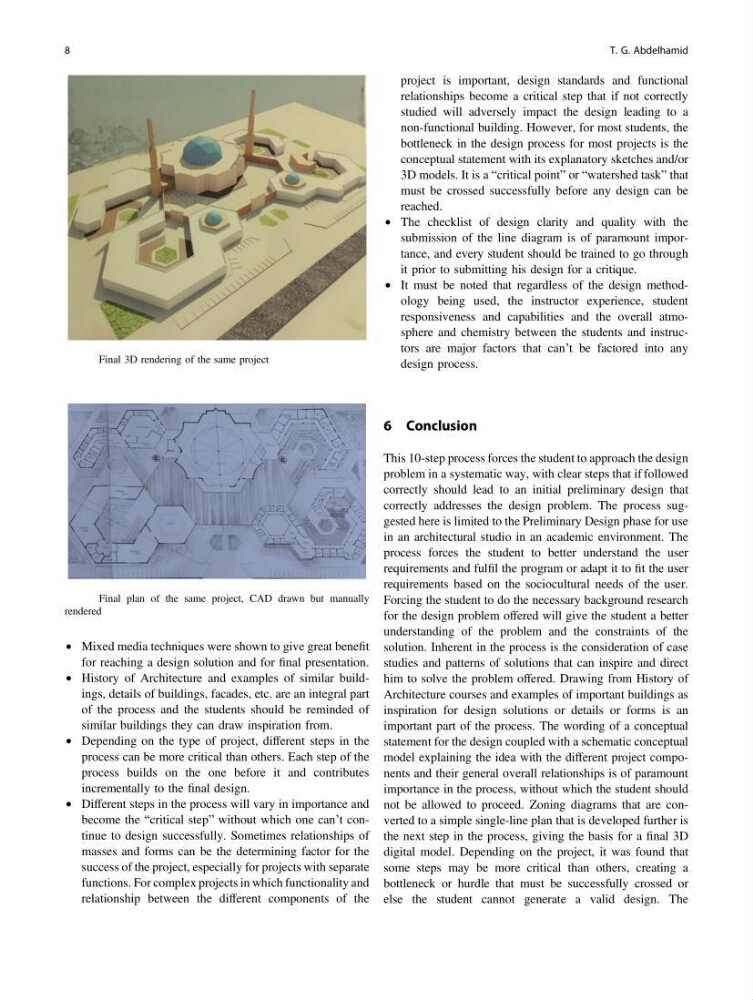
Fig. 4 Final 3D rendering of the same project
Fig. 5 Final plan of the same project, CAD drawn but manually
rendered
8
T. G. Abdelhamid
for reaching a design solution and for final presentation.
• History of Architecture and examples of similar buildings, details of buildings, facades, etc. are an integral part
of the process and the students should be reminded of
similar buildings they can draw inspiration from.
• Depending on the type of project, different steps in the
process can be more critical than others. Each step of the
process builds on the one before it and contributes
incrementally to the final design.
• Different steps in the process will vary in importance and
become the “critical step” without which one can’t continue to design successfully. Sometimes relationships of
masses and forms can be the determining factor for the
success of the project, especially for projects with separate
functions. For complex projects in which functionality and
relationship between the different components of the
project is important, design standards and functional
relationships become a critical step that if not correctly
studied will adversely impact the design leading to a
non-functional building. However, for most students, the
bottleneck in the design process for most projects is the
conceptual statement with its explanatory sketches and/or
3D models. It is a “critical point” or “watershed task” that
must be crossed successfully before any design can be
reached.
• The checklist of design clarity and quality with the
submission of the line diagram is of paramount importance, and every student should be trained to go through
it prior to submitting his design for a critique.
• It must be noted that regardless of the design methodology being used, the instructor experience, student
responsiveness and capabilities and the overall atmosphere and chemistry between the students and instructors are major factors that can’t be factored into any
design process.
6 Conclusion
This 10-step process forces the student to approach the design
problem in a systematic way, with clear steps that if followed
correctly should lead to an initial preliminary design that
correctly addresses the design problem. The process suggested here is limited to the Preliminary Design phase for use
in an architectural studio in an academic environment. The
process forces the student to better understand the user
requirements and fulfil the program or adapt it to fit the user
requirements based on the sociocultural needs of the user.
Forcing the student to do the necessary background research
for the design problem offered will give the student a better
understanding of the problem and the constraints of the
solution. Inherent in the process is the consideration of case
studies and patterns of solutions that can inspire and direct
him to solve the problem offered. Drawing from History of
Architecture courses and examples of important buildings as
inspiration for design solutions or details or forms is an
important part of the process. The wording of a conceptual
statement for the design coupled with a schematic conceptual
model explaining the idea with the different project components and their general overall relationships is of paramount
importance in the process, without which the student should
not be allowed to proceed. Zoning diagrams that are converted to a simple single-line plan that is developed further is
the next step in the process, giving the basis for a final 3D
digital model. Depending on the project, it was found that
some steps may be more critical than others, creating a
bottleneck or hurdle that must be successfully crossed or
else the student cannot generate a valid design. The
Fig. 4 Final 3D rendering of the same project
Fig. 5 Final plan of the same project, CAD drawn but manually
rendered
8
T. G. Abdelhamid