

denote the ability of the community to act and perform in a
civil manner despite social and cultural diversities.
‘By recognizing and developing the positive potential of
their public spaces, cities can enhance safety and security,
create economic opportunity, improve public health, create
diverse public environments, and build democracy’ (PPS
2015). It is the role of urban planners, architects and artists to
help the public re-acknowledge their needs through a process of space reclamation and participatory decision-making.
They should also act as mediators between local governments and private investors to help get the voices of people
being listened to.
Egypt lacks the mechanism of locals’ representatives in
the parliament or local government departments where they
can perform as a lobby group that can stress the needs of the
people and push for societal changes when needed.
‘Downtown Cairo has been experiencing an urban transformation guided in part by neo-liberal globalisation, capitalist investment interests, and the emergence of an
independent culture-arts scene’ (Awatta 2015). Both Kodak
and Al-Alfi Streets in Cairo serve as living models on how
the people were striving to find a space to meet and interact.
It was also clear that the urban planners and designers of
Kodak passage (CLUSTER) played an important role as
intercessors to deliver the list of needs and interests of the
civil society to the government and to the private investors
through a process of negotiations. They successfully shed
the light on how the success of the street development can
bring new businesses to the area and help boost the economy
in later stages.
Al-Alfi Street on the other hand (after pedestrianization
and renovation processes) required the presence of some sort
of confrontation and collision between different interest
groups in order to push the mechanism of reclaiming the
street. However, such confrontation did not exist due to an
agreement between the authorities and the locals on the way
the space of the street was being used and by whom. The
revitalization of both streets can be, however, a hidden code
for unsolicited gentrification, ‘and it is the role of the civil
society to establish an alternative before classic gentrification led by private entrepreneurs takes hold’ (Matroos 2017).
Accordingly, there is an urgent need to learn how to raise
the public awareness of the importance of sustainable public
spaces that would foster the exchange of ideas between
different genders, different classes, and different policymakers. There is also a need to educate new generations of
researchers, urban planners, community activists, and other
civic representatives about the benefits of the Placemaking
methodology that would help getting different voices together on a common ground in order to create the most efficient
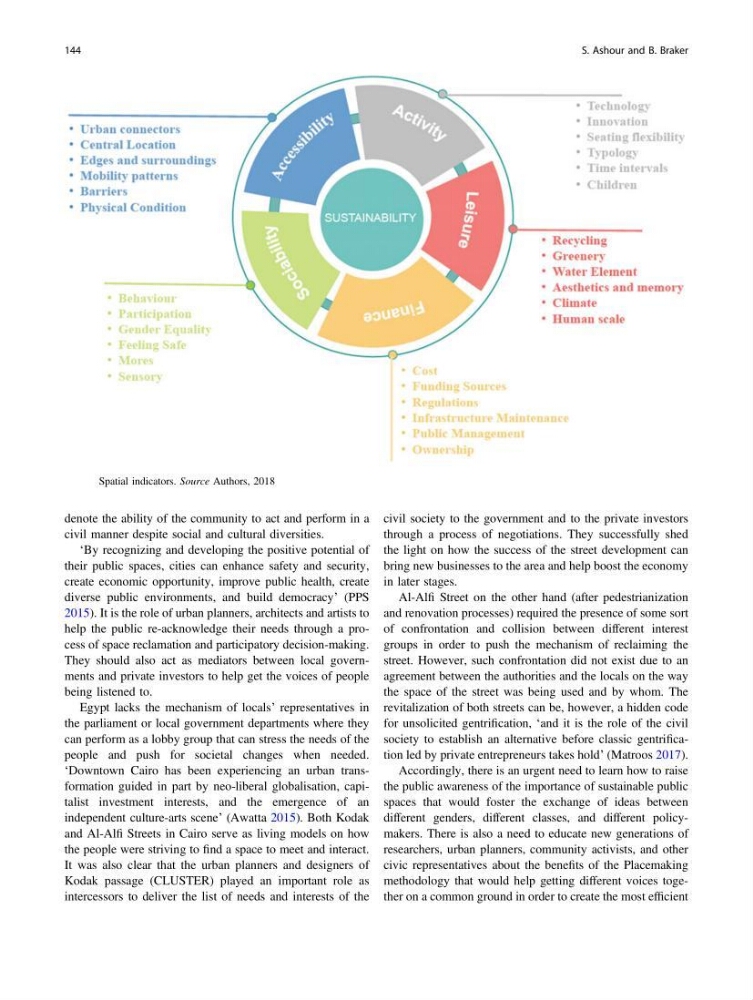
Fig. 9 Spatial indicators. Source Authors, 2018
144
S. Ashour and B. Braker
civil manner despite social and cultural diversities.
‘By recognizing and developing the positive potential of
their public spaces, cities can enhance safety and security,
create economic opportunity, improve public health, create
diverse public environments, and build democracy’ (PPS
2015). It is the role of urban planners, architects and artists to
help the public re-acknowledge their needs through a process of space reclamation and participatory decision-making.
They should also act as mediators between local governments and private investors to help get the voices of people
being listened to.
Egypt lacks the mechanism of locals’ representatives in
the parliament or local government departments where they
can perform as a lobby group that can stress the needs of the
people and push for societal changes when needed.
‘Downtown Cairo has been experiencing an urban transformation guided in part by neo-liberal globalisation, capitalist investment interests, and the emergence of an
independent culture-arts scene’ (Awatta 2015). Both Kodak
and Al-Alfi Streets in Cairo serve as living models on how
the people were striving to find a space to meet and interact.
It was also clear that the urban planners and designers of
Kodak passage (CLUSTER) played an important role as
intercessors to deliver the list of needs and interests of the
civil society to the government and to the private investors
through a process of negotiations. They successfully shed
the light on how the success of the street development can
bring new businesses to the area and help boost the economy
in later stages.
Al-Alfi Street on the other hand (after pedestrianization
and renovation processes) required the presence of some sort
of confrontation and collision between different interest
groups in order to push the mechanism of reclaiming the
street. However, such confrontation did not exist due to an
agreement between the authorities and the locals on the way
the space of the street was being used and by whom. The
revitalization of both streets can be, however, a hidden code
for unsolicited gentrification, ‘and it is the role of the civil
society to establish an alternative before classic gentrification led by private entrepreneurs takes hold’ (Matroos 2017).
Accordingly, there is an urgent need to learn how to raise
the public awareness of the importance of sustainable public
spaces that would foster the exchange of ideas between
different genders, different classes, and different policymakers. There is also a need to educate new generations of
researchers, urban planners, community activists, and other
civic representatives about the benefits of the Placemaking
methodology that would help getting different voices together on a common ground in order to create the most efficient
Fig. 9 Spatial indicators. Source Authors, 2018
144
S. Ashour and B. Braker