

In light of these findings, the UAE government has taken
actions towards curbing and managing excessive energy
consumption. However, if different solutions and regulations
have been established to cut down the energy consumption,
understanding, and addressing occupants’ behavior remains
a challenging key factor that has not been taken fully into
consideration despite its important impact. It has been further reported that Energy usage of Emiratis in their homes
stands at three folds of their expatriate counterparts (Fig. 2).
Hence, the objective of this study is to explore and understand Emirati occupants’ behavior patterns and attitude visà-vis of their home energy usage, aiming to explore, detect,
and unveil high energy loaded behavioral attitudes and usage
patterns. This research aims to fill the gap in the area of local
energy consumption and occupants’ behavior in order to
draw adequate comprehensive contextual solutions for
energy conservation.
1.1 Energy Consumption in the UAE Housing
Sector
The residential sector forms the largest part of the infrastructure and is the biggest consumer of energy in the UAE
(https://www.export.gov/article?id=United-Arab-EmiratesConstruction). In fact, this sector contributed up to 40% of
the total electricity consumption in the city of Al Ain, while
the commercial sector stands at around 18% (Fig. 3). What
raises the question is that statistics indicated that nationals or
“local” residents consumed more than half of residential
electricity in Al Ain city according to the Abu Dhabi
Distribution Company (AADC) Fig. 2. This finding highlights the urgency of a thorough investigation of the reasons
behind such high-energy consumption.
2 Background Literature
2.1 Factors Influencing Energy Consumption
According to the International Energy Agency (IEA),
worldwide Building sector contributes up to 40% of the
primary energy consumption. Many reasons explain the high
demand of electricity in this sector, numerous studies indicate that domestic energy consumption is strongly related to
climate and socio-demographic factors such as income,
household design, size, and household construction materials (Brandon and Lewis 1999; Gardner and Stern 1996; Moll
et al. 2005; Lopes et al. 2005). Unit size, for example, has a
positive correlation with energy consumption. Larger
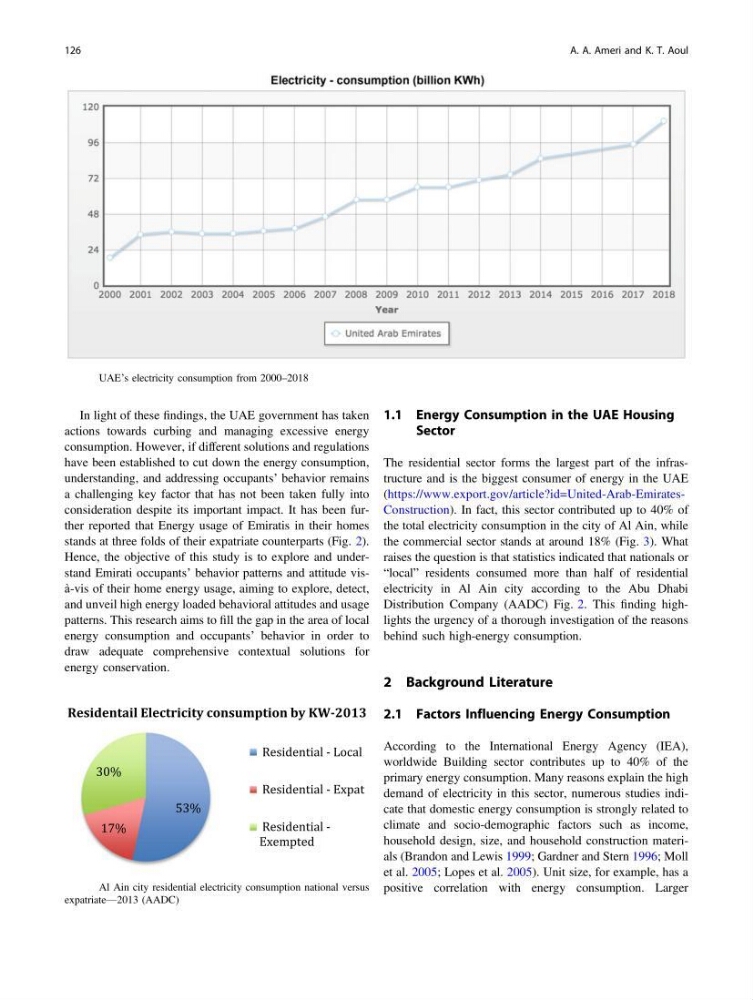
Fig. 1 UAE’s electricity consumption from 2000–2018
Fig. 2 Al Ain city residential electricity consumption national versus
expatriate—2013 (AADC)
126
A. A. Ameri and K. T. Aoul
actions towards curbing and managing excessive energy
consumption. However, if different solutions and regulations
have been established to cut down the energy consumption,
understanding, and addressing occupants’ behavior remains
a challenging key factor that has not been taken fully into
consideration despite its important impact. It has been further reported that Energy usage of Emiratis in their homes
stands at three folds of their expatriate counterparts (Fig. 2).
Hence, the objective of this study is to explore and understand Emirati occupants’ behavior patterns and attitude visà-vis of their home energy usage, aiming to explore, detect,
and unveil high energy loaded behavioral attitudes and usage
patterns. This research aims to fill the gap in the area of local
energy consumption and occupants’ behavior in order to
draw adequate comprehensive contextual solutions for
energy conservation.
1.1 Energy Consumption in the UAE Housing
Sector
The residential sector forms the largest part of the infrastructure and is the biggest consumer of energy in the UAE
(https://www.export.gov/article?id=United-Arab-EmiratesConstruction). In fact, this sector contributed up to 40% of
the total electricity consumption in the city of Al Ain, while
the commercial sector stands at around 18% (Fig. 3). What
raises the question is that statistics indicated that nationals or
“local” residents consumed more than half of residential
electricity in Al Ain city according to the Abu Dhabi
Distribution Company (AADC) Fig. 2. This finding highlights the urgency of a thorough investigation of the reasons
behind such high-energy consumption.
2 Background Literature
2.1 Factors Influencing Energy Consumption
According to the International Energy Agency (IEA),
worldwide Building sector contributes up to 40% of the
primary energy consumption. Many reasons explain the high
demand of electricity in this sector, numerous studies indicate that domestic energy consumption is strongly related to
climate and socio-demographic factors such as income,
household design, size, and household construction materials (Brandon and Lewis 1999; Gardner and Stern 1996; Moll
et al. 2005; Lopes et al. 2005). Unit size, for example, has a
positive correlation with energy consumption. Larger
Fig. 1 UAE’s electricity consumption from 2000–2018
Fig. 2 Al Ain city residential electricity consumption national versus
expatriate—2013 (AADC)
126
A. A. Ameri and K. T. Aoul