

374
13 The Future: Achieving Sustainability
Religion can also foster sustainability through the following ways:
• Enhancing respect for various beliefs and faiths.
• Strengthening the reduction of corruption by enabling faith-based ethics.
• Engendering peace through the diffusion of religious tensions, thus minimizing
conflict and violence related to religion.
• Propagating broader freedoms.
• Development of the economy.
• Alleviating overregulation associated with various trends including coercive
blasphemy laws, and increasing trust among employees.
Case Study 13.1: Capsula Mundi
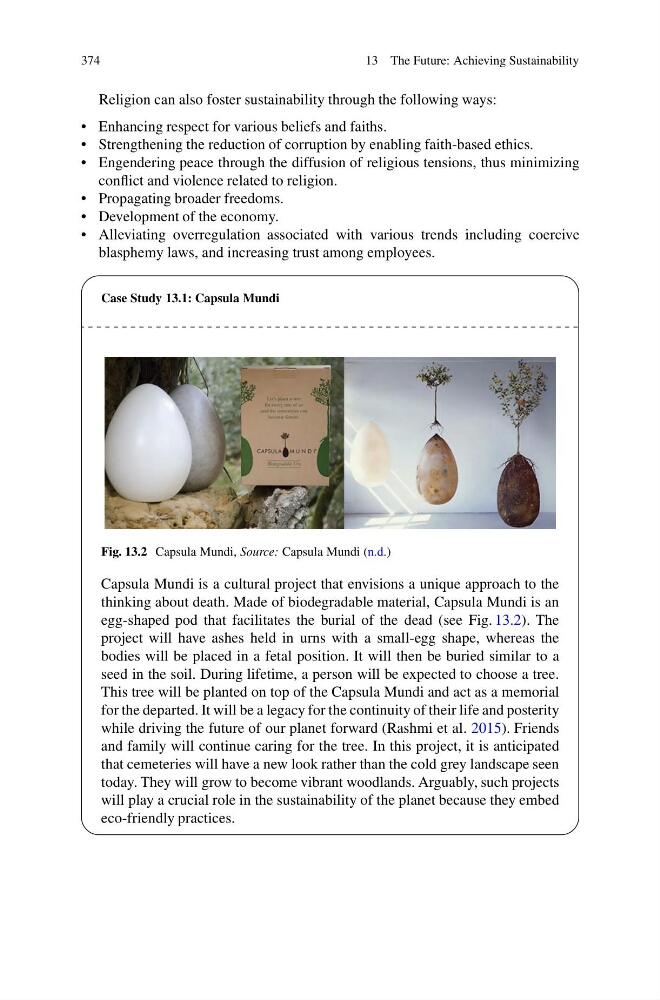
Fig. 13.2 Capsula Mundi, Source: Capsula Mundi (n.d.)
Capsula Mundi is a cultural project that envisions a unique approach to the
thinking about death. Made of biodegradable material, Capsula Mundi is an
egg-shaped pod that facilitates the burial of the dead (see Fig. 13.2). The
project will have ashes held in urns with a small-egg shape, whereas the
bodies will be placed in a fetal position. It will then be buried similar to a
seed in the soil. During lifetime, a person will be expected to choose a tree.
This tree will be planted on top of the Capsula Mundi and act as a memorial
for the departed. It will be a legacy for the continuity of their life and posterity
while driving the future of our planet forward (Rashmi et al. 2015). Friends
and family will continue caring for the tree. In this project, it is anticipated
that cemeteries will have a new look rather than the cold grey landscape seen
today. They will grow to become vibrant woodlands. Arguably, such projects
will play a crucial role in the sustainability of the planet because they embed
eco-friendly practices.
13 The Future: Achieving Sustainability
Religion can also foster sustainability through the following ways:
• Enhancing respect for various beliefs and faiths.
• Strengthening the reduction of corruption by enabling faith-based ethics.
• Engendering peace through the diffusion of religious tensions, thus minimizing
conflict and violence related to religion.
• Propagating broader freedoms.
• Development of the economy.
• Alleviating overregulation associated with various trends including coercive
blasphemy laws, and increasing trust among employees.
Case Study 13.1: Capsula Mundi
Fig. 13.2 Capsula Mundi, Source: Capsula Mundi (n.d.)
Capsula Mundi is a cultural project that envisions a unique approach to the
thinking about death. Made of biodegradable material, Capsula Mundi is an
egg-shaped pod that facilitates the burial of the dead (see Fig. 13.2). The
project will have ashes held in urns with a small-egg shape, whereas the
bodies will be placed in a fetal position. It will then be buried similar to a
seed in the soil. During lifetime, a person will be expected to choose a tree.
This tree will be planted on top of the Capsula Mundi and act as a memorial
for the departed. It will be a legacy for the continuity of their life and posterity
while driving the future of our planet forward (Rashmi et al. 2015). Friends
and family will continue caring for the tree. In this project, it is anticipated
that cemeteries will have a new look rather than the cold grey landscape seen
today. They will grow to become vibrant woodlands. Arguably, such projects
will play a crucial role in the sustainability of the planet because they embed
eco-friendly practices.