

10.3 The Pillars of Sustainability
251
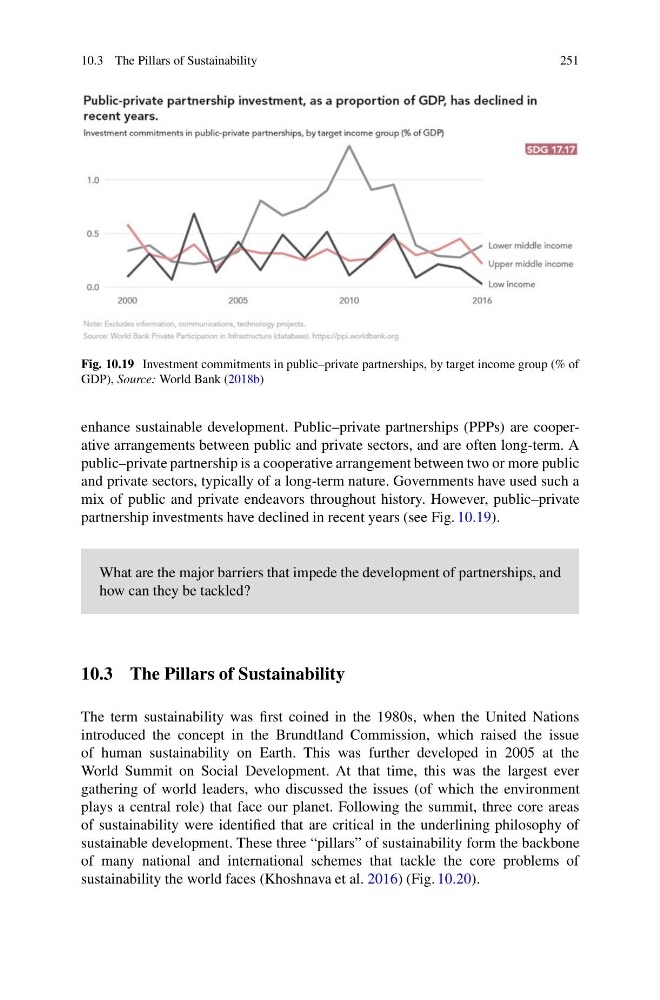
Fig. 10.19 Investment commitments in public–private partnerships, by target income group (% of
GDP), Source: World Bank (2018b)
enhance sustainable development. Public–private partnerships (PPPs) are cooperative arrangements between public and private sectors, and are often long-term. A
public–private partnership is a cooperative arrangement between two or more public
and private sectors, typically of a long-term nature. Governments have used such a
mix of public and private endeavors throughout history. However, public–private
partnership investments have declined in recent years (see Fig. 10.19).
What are the major barriers that impede the development of partnerships, and
how can they be tackled?
10.3 The Pillars of Sustainability
The term sustainability was first coined in the 1980s, when the United Nations
introduced the concept in the Brundtland Commission, which raised the issue
of human sustainability on Earth. This was further developed in 2005 at the
World Summit on Social Development. At that time, this was the largest ever
gathering of world leaders, who discussed the issues (of which the environment
plays a central role) that face our planet. Following the summit, three core areas
of sustainability were identified that are critical in the underlining philosophy of
sustainable development. These three “pillars” of sustainability form the backbone
of many national and international schemes that tackle the core problems of
sustainability the world faces (Khoshnava et al. 2016) (Fig. 10.20).
251
Fig. 10.19 Investment commitments in public–private partnerships, by target income group (% of
GDP), Source: World Bank (2018b)
enhance sustainable development. Public–private partnerships (PPPs) are cooperative arrangements between public and private sectors, and are often long-term. A
public–private partnership is a cooperative arrangement between two or more public
and private sectors, typically of a long-term nature. Governments have used such a
mix of public and private endeavors throughout history. However, public–private
partnership investments have declined in recent years (see Fig. 10.19).
What are the major barriers that impede the development of partnerships, and
how can they be tackled?
10.3 The Pillars of Sustainability
The term sustainability was first coined in the 1980s, when the United Nations
introduced the concept in the Brundtland Commission, which raised the issue
of human sustainability on Earth. This was further developed in 2005 at the
World Summit on Social Development. At that time, this was the largest ever
gathering of world leaders, who discussed the issues (of which the environment
plays a central role) that face our planet. Following the summit, three core areas
of sustainability were identified that are critical in the underlining philosophy of
sustainable development. These three “pillars” of sustainability form the backbone
of many national and international schemes that tackle the core problems of
sustainability the world faces (Khoshnava et al. 2016) (Fig. 10.20).