

186
8 Waste Management
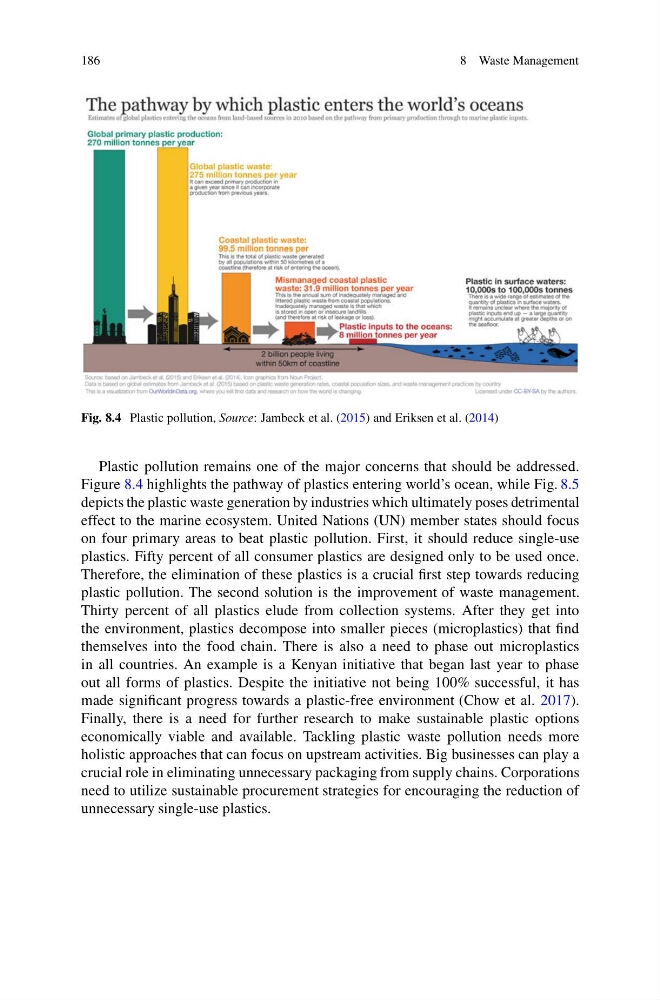
Fig. 8.4 Plastic pollution, Source: Jambeck et al. (2015) and Eriksen et al. (2014)
Plastic pollution remains one of the major concerns that should be addressed.
Figure 8.4 highlights the pathway of plastics entering world’s ocean, while Fig. 8.5
depicts the plastic waste generation by industries which ultimately poses detrimental
effect to the marine ecosystem. United Nations (UN) member states should focus
on four primary areas to beat plastic pollution. First, it should reduce single-use
plastics. Fifty percent of all consumer plastics are designed only to be used once.
Therefore, the elimination of these plastics is a crucial first step towards reducing
plastic pollution. The second solution is the improvement of waste management.
Thirty percent of all plastics elude from collection systems. After they get into
the environment, plastics decompose into smaller pieces (microplastics) that find
themselves into the food chain. There is also a need to phase out microplastics
in all countries. An example is a Kenyan initiative that began last year to phase
out all forms of plastics. Despite the initiative not being 100% successful, it has
made significant progress towards a plastic-free environment (Chow et al. 2017).
Finally, there is a need for further research to make sustainable plastic options
economically viable and available. Tackling plastic waste pollution needs more
holistic approaches that can focus on upstream activities. Big businesses can play a
crucial role in eliminating unnecessary packaging from supply chains. Corporations
need to utilize sustainable procurement strategies for encouraging the reduction of
unnecessary single-use plastics.
8 Waste Management
Fig. 8.4 Plastic pollution, Source: Jambeck et al. (2015) and Eriksen et al. (2014)
Plastic pollution remains one of the major concerns that should be addressed.
Figure 8.4 highlights the pathway of plastics entering world’s ocean, while Fig. 8.5
depicts the plastic waste generation by industries which ultimately poses detrimental
effect to the marine ecosystem. United Nations (UN) member states should focus
on four primary areas to beat plastic pollution. First, it should reduce single-use
plastics. Fifty percent of all consumer plastics are designed only to be used once.
Therefore, the elimination of these plastics is a crucial first step towards reducing
plastic pollution. The second solution is the improvement of waste management.
Thirty percent of all plastics elude from collection systems. After they get into
the environment, plastics decompose into smaller pieces (microplastics) that find
themselves into the food chain. There is also a need to phase out microplastics
in all countries. An example is a Kenyan initiative that began last year to phase
out all forms of plastics. Despite the initiative not being 100% successful, it has
made significant progress towards a plastic-free environment (Chow et al. 2017).
Finally, there is a need for further research to make sustainable plastic options
economically viable and available. Tackling plastic waste pollution needs more
holistic approaches that can focus on upstream activities. Big businesses can play a
crucial role in eliminating unnecessary packaging from supply chains. Corporations
need to utilize sustainable procurement strategies for encouraging the reduction of
unnecessary single-use plastics.