

38
pressure) at the center of circulation. The eye is often visible in satellite images as a
small, circular, cloud-free spot. Surrounding the eye is the eyewall, an area about
16 kilometres (9.9 miles) to 80 kilometres (50 miles) wide in which the strongest
thunderstorms and winds circulate around the storm’s center. Maximum sustained
winds in the strongest tropical cyclones have been estimated at about 85 metres per
second (165 kn) or 195 miles per hour (314 km/h).
The India Meteorological Department (IMD) classified cyclone on the basis of
sustained wind speed (Table 2.3).
In the Indian sub-continent, both the Bay of Bengal and the Arabian Sea experience cyclonic events However, when the two are compared, the Bay of Bengal experiences approximately five times as many cyclones as its Western counterpart. In
addition, cyclones in the Bay are stronger and deadlier. Also it has been documented
that nearly 58% of cyclones formed in the Bay of Bengal reach the coast as compared to only 25% of those formed in the Arabian Sea. Question may arise at this
point that why such variations in occurrence frequency happen? The answer may be
based on two important environmental parameters namely sea surface temperatures
and humidity. Since sea surface temperatures and humidity both directly correlate
with probability of cyclone formation, the Bay of Bengal is a more susceptible zone
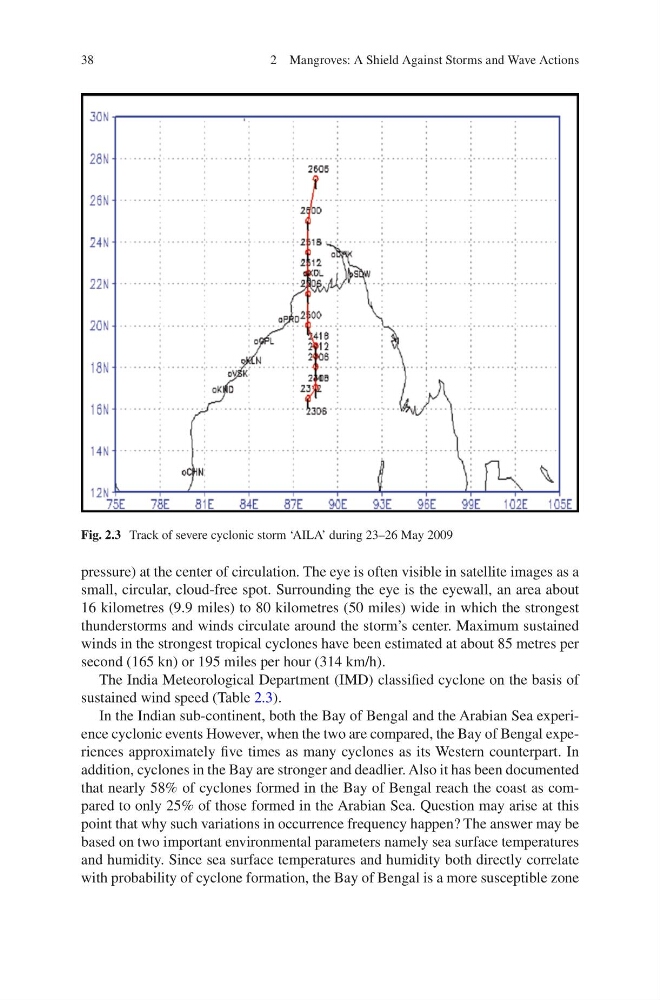
Fig. 2.3 Track of severe cyclonic storm ‘AILA’ during 23–26 May 2009
2 Mangroves: A Shield Against Storms and Wave Actions
pressure) at the center of circulation. The eye is often visible in satellite images as a
small, circular, cloud-free spot. Surrounding the eye is the eyewall, an area about
16 kilometres (9.9 miles) to 80 kilometres (50 miles) wide in which the strongest
thunderstorms and winds circulate around the storm’s center. Maximum sustained
winds in the strongest tropical cyclones have been estimated at about 85 metres per
second (165 kn) or 195 miles per hour (314 km/h).
The India Meteorological Department (IMD) classified cyclone on the basis of
sustained wind speed (Table 2.3).
In the Indian sub-continent, both the Bay of Bengal and the Arabian Sea experience cyclonic events However, when the two are compared, the Bay of Bengal experiences approximately five times as many cyclones as its Western counterpart. In
addition, cyclones in the Bay are stronger and deadlier. Also it has been documented
that nearly 58% of cyclones formed in the Bay of Bengal reach the coast as compared to only 25% of those formed in the Arabian Sea. Question may arise at this
point that why such variations in occurrence frequency happen? The answer may be
based on two important environmental parameters namely sea surface temperatures
and humidity. Since sea surface temperatures and humidity both directly correlate
with probability of cyclone formation, the Bay of Bengal is a more susceptible zone
Fig. 2.3 Track of severe cyclonic storm ‘AILA’ during 23–26 May 2009
2 Mangroves: A Shield Against Storms and Wave Actions