

37
A tropical storm is an organized system of strong thunderstorms with a defined
surface circulation and maximum sustained winds between 17 metres per second
(33 kn) (39 miles per hour (63 km/h)) and 32 metres per second (62 kn) (73 miles
per hour (117 km/h)). At this point, the distinctive cyclonic shape starts to develop,
although an eye is not usually present. Government weather services, other than the
Philippines, first assign names to systems that reach this intensity (thus the term
named storm).
A hurricane or typhoon (sometimes simply referred to as a tropical cyclone, as
opposed to a depression or storm) is a system with sustained winds of at least
33 metres per second (64 kn) or 74 miles per hour (119 km/h). A cyclone of this
intensity tends to develop an eye, an area of relative calm (and lowest atmospheric
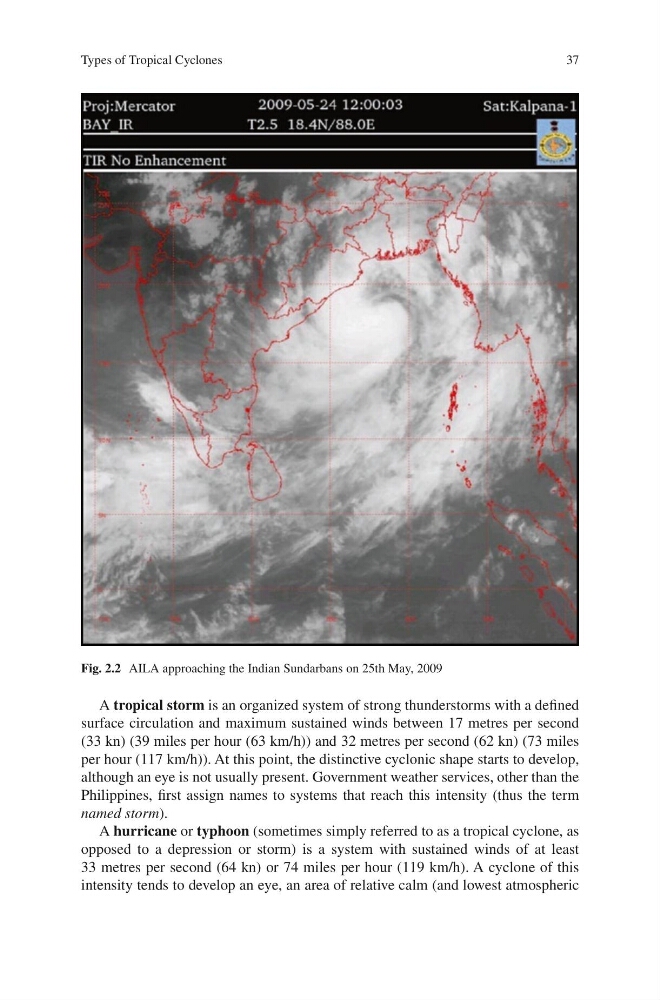
Fig. 2.2 AILA approaching the Indian Sundarbans on 25th May, 2009
Types of Tropical Cyclones
A tropical storm is an organized system of strong thunderstorms with a defined
surface circulation and maximum sustained winds between 17 metres per second
(33 kn) (39 miles per hour (63 km/h)) and 32 metres per second (62 kn) (73 miles
per hour (117 km/h)). At this point, the distinctive cyclonic shape starts to develop,
although an eye is not usually present. Government weather services, other than the
Philippines, first assign names to systems that reach this intensity (thus the term
named storm).
A hurricane or typhoon (sometimes simply referred to as a tropical cyclone, as
opposed to a depression or storm) is a system with sustained winds of at least
33 metres per second (64 kn) or 74 miles per hour (119 km/h). A cyclone of this
intensity tends to develop an eye, an area of relative calm (and lowest atmospheric
Fig. 2.2 AILA approaching the Indian Sundarbans on 25th May, 2009
Types of Tropical Cyclones