

295
The Indian Sundarbans is noted for its rich biodiversity, with array of halophytic
mangrove vegetation and diverse wildlife, and is a picturesque of natural history. It
is a dynamic and vibrating ecosystem, formed by interaction between land and
water, and is considered as one of the most productive wetlands on Earth. The
important morphotypes of Sundarban include beaches, mudflats, coastal dunes,
estuaries, creeks and swamps. In the Globe, the region spreads across West Bengal
State of India and its neighboring country Bangladesh (between 21°32″–23°31′N
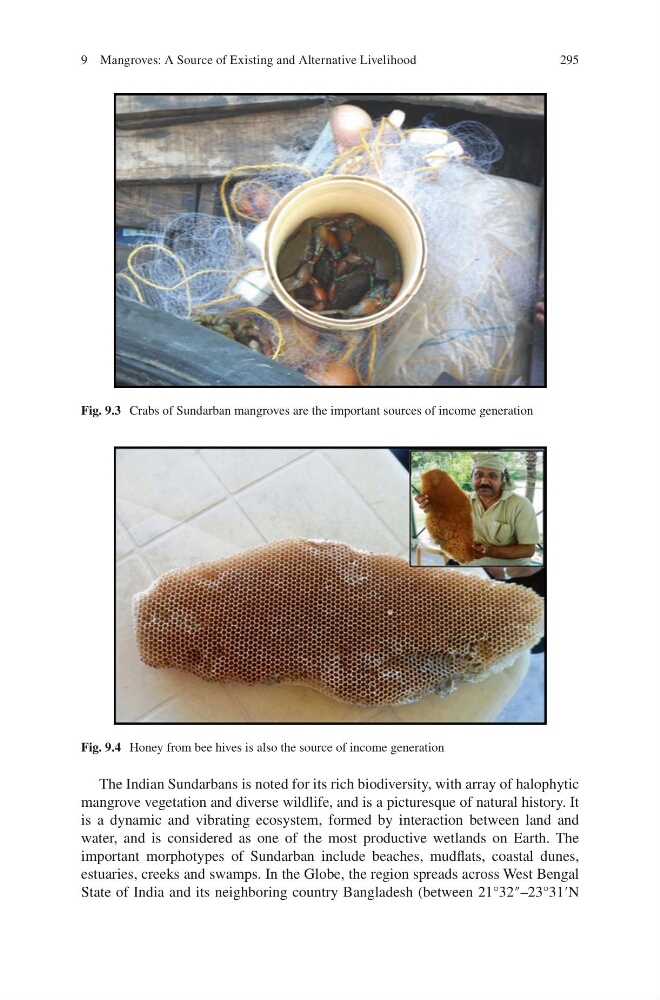
Fig. 9.3 Crabs of Sundarban mangroves are the important sources of income generation
Fig. 9.4 Honey from bee hives is also the source of income generation
9 Mangroves: A Source of Existing and Alternative Livelihood
The Indian Sundarbans is noted for its rich biodiversity, with array of halophytic
mangrove vegetation and diverse wildlife, and is a picturesque of natural history. It
is a dynamic and vibrating ecosystem, formed by interaction between land and
water, and is considered as one of the most productive wetlands on Earth. The
important morphotypes of Sundarban include beaches, mudflats, coastal dunes,
estuaries, creeks and swamps. In the Globe, the region spreads across West Bengal
State of India and its neighboring country Bangladesh (between 21°32″–23°31′N
Fig. 9.3 Crabs of Sundarban mangroves are the important sources of income generation
Fig. 9.4 Honey from bee hives is also the source of income generation
9 Mangroves: A Source of Existing and Alternative Livelihood