

116
A. Ospina and A. López
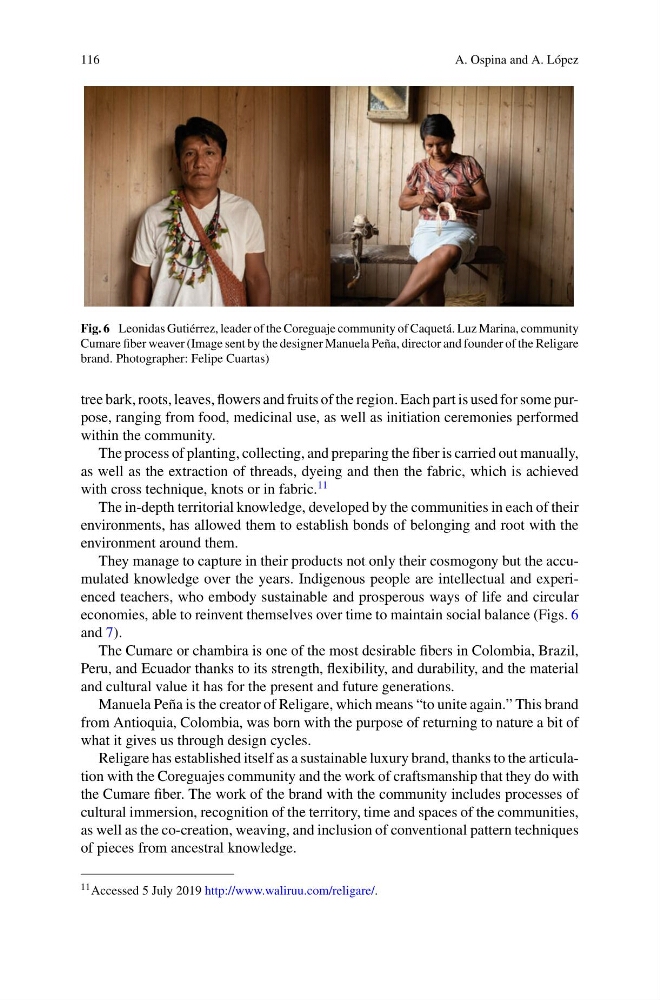
Fig. 6 Leonidas Gutiérrez, leader of the Coreguaje community of Caquetá. Luz Marina, community
Cumare fiber weaver (Image sent by the designer Manuela Peña, director and founder of the Religare
brand. Photographer: Felipe Cuartas)
tree bark, roots, leaves, flowers and fruits of the region. Each part is used for some purpose, ranging from food, medicinal use, as well as initiation ceremonies performed
within the community.
The process of planting, collecting, and preparing the fiber is carried out manually,
as well as the extraction of threads, dyeing and then the fabric, which is achieved
with cross technique, knots or in fabric.
11
The in-depth territorial knowledge, developed by the communities in each of their
environments, has allowed them to establish bonds of belonging and root with the
environment around them.
They manage to capture in their products not only their cosmogony but the accumulated knowledge over the years. Indigenous people are intellectual and experienced teachers, who embody sustainable and prosperous ways of life and circular
economies, able to reinvent themselves over time to maintain social balance (Figs. 6
and 7).
The Cumare or chambira is one of the most desirable fibers in Colombia, Brazil,
Peru, and Ecuador thanks to its strength, flexibility, and durability, and the material
and cultural value it has for the present and future generations.
Manuela Peña is the creator of Religare, which means “to unite again.” This brand
from Antioquia, Colombia, was born with the purpose of returning to nature a bit of
what it gives us through design cycles.
Religare has established itself as a sustainable luxury brand, thanks to the articulation with the Coreguajes community and the work of craftsmanship that they do with
the Cumare fiber. The work of the brand with the community includes processes of
cultural immersion, recognition of the territory, time and spaces of the communities,
as well as the co-creation, weaving, and inclusion of conventional pattern techniques
of pieces from ancestral knowledge.
11 Accessed 5 July 2019 http://www.waliruu.com/religare/.
A. Ospina and A. López
Fig. 6 Leonidas Gutiérrez, leader of the Coreguaje community of Caquetá. Luz Marina, community
Cumare fiber weaver (Image sent by the designer Manuela Peña, director and founder of the Religare
brand. Photographer: Felipe Cuartas)
tree bark, roots, leaves, flowers and fruits of the region. Each part is used for some purpose, ranging from food, medicinal use, as well as initiation ceremonies performed
within the community.
The process of planting, collecting, and preparing the fiber is carried out manually,
as well as the extraction of threads, dyeing and then the fabric, which is achieved
with cross technique, knots or in fabric.
11
The in-depth territorial knowledge, developed by the communities in each of their
environments, has allowed them to establish bonds of belonging and root with the
environment around them.
They manage to capture in their products not only their cosmogony but the accumulated knowledge over the years. Indigenous people are intellectual and experienced teachers, who embody sustainable and prosperous ways of life and circular
economies, able to reinvent themselves over time to maintain social balance (Figs. 6
and 7).
The Cumare or chambira is one of the most desirable fibers in Colombia, Brazil,
Peru, and Ecuador thanks to its strength, flexibility, and durability, and the material
and cultural value it has for the present and future generations.
Manuela Peña is the creator of Religare, which means “to unite again.” This brand
from Antioquia, Colombia, was born with the purpose of returning to nature a bit of
what it gives us through design cycles.
Religare has established itself as a sustainable luxury brand, thanks to the articulation with the Coreguajes community and the work of craftsmanship that they do with
the Cumare fiber. The work of the brand with the community includes processes of
cultural immersion, recognition of the territory, time and spaces of the communities,
as well as the co-creation, weaving, and inclusion of conventional pattern techniques
of pieces from ancestral knowledge.
11 Accessed 5 July 2019 http://www.waliruu.com/religare/.